Loch Johnson - Böcker
Visar alla böcker från författaren Loch Johnson. Handla med fri frakt och snabb leverans.
3 produkter
3 produkter
2 541 kr
Skickas inom 5-8 vardagar
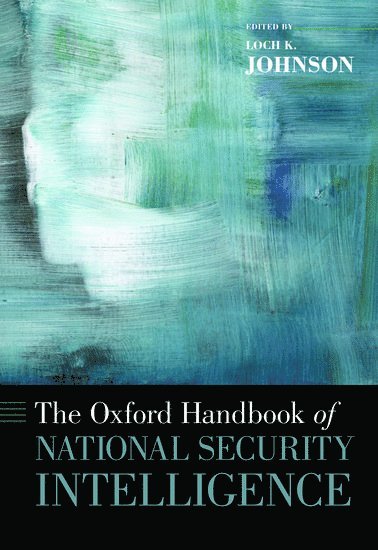
The Oxford Handbook of National Security Inteligence is a state-of-the-art work on intelligence and national security. Edited by Loch Johnson, one of the world's leading authorities on the subject, the Handbook examines the topic in full, beginning with an examination of the major theories of intelligence. It then shifts its focus to how intelligence agencies operate, how they collect information from around the world, the problems that come with transforming "raw" information into credible analysis, and the difficulties in disseminating intelligence to policymakers. It also considers the balance between secrecy and public accountability, and the ethical dilemmas that covert and counterintelligence operations routinely present to intelligence agencies. Throughout, contributors factor in broader historical and political contexts that are integral to understanding how intelligence agencies function in our information-dominated age. The book is organized into the following sections: theories and methods of intelligence studies; historical background; the collection and processing of intelligence; the analysis and production of intelligence; the challenges of intelligence dissemination; counterintelligence and counterterrorism; covert action; intelligence and accountability; and strategic intelligence in other nations.
809 kr
Skickas inom 10-15 vardagar
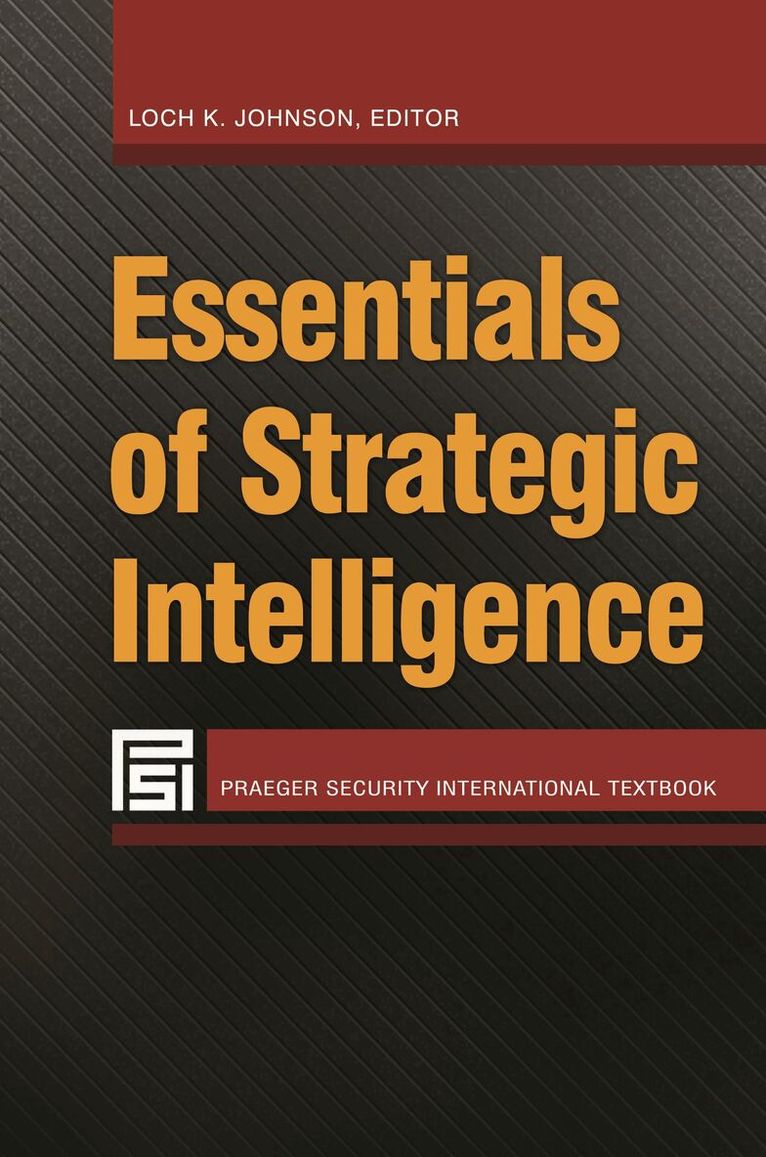
A highly valuable resource for students of intelligence studies, strategy and security, and foreign policy, this volume provides readers with an accessible and comprehensive exploration of U.S. espionage activities that addresses both the practical and ethical implications that attend the art and science of spying.Essentials of Strategic Intelligence investigates a subject unknown to or misunderstood by most American citizens: how U.S. foreign and security policy is derived from the information collection operations and data analysis by the sixteen major U.S. intelligence agencies. The essays in this work draw back the curtain on the hidden side of America's government, explaining the roles of various intelligence missions, justifying the existence of U.S. intelligence agencies, and addressing the complex moral questions that arise in the conduct of secret operations.After an introductory overview, the book presents accessibly written essays on the key topics: intelligence collection-and-analysis, counterintelligence, covert action, and intelligence accountability. Readers will understand how intelligence directly informs policymakers and why democracies need secret agencies; learn how the CIA has become deeply involved in the war-like assassination operations that target suspected foreign terrorists, even some individuals who are American citizens; and appreciate how the existence of—and our reliance on—these intelligence agencies poses challenges for democratic governance.
568 kr
Skickas inom 10-15 vardagar
A highly valuable resource for students of intelligence studies, strategy and security, and foreign policy, this volume provides readers with an accessible and comprehensive exploration of U.S. espionage activities that addresses both the practical and ethical implications that attend the art and science of spying.Essentials of Strategic Intelligence investigates a subject unknown to or misunderstood by most American citizens: how U.S. foreign and security policy is derived from the information collection operations and data analysis by the sixteen major U.S. intelligence agencies. The essays in this work draw back the curtain on the hidden side of America's government, explaining the roles of various intelligence missions, justifying the existence of U.S. intelligence agencies, and addressing the complex moral questions that arise in the conduct of secret operations.After an introductory overview, the book presents accessibly written essays on the key topics: intelligence collection-and-analysis, counterintelligence, covert action, and intelligence accountability. Readers will understand how intelligence directly informs policymakers and why democracies need secret agencies; learn how the CIA has become deeply involved in the war-like assassination operations that target suspected foreign terrorists, even some individuals who are American citizens; and appreciate how the existence of—and our reliance on—these intelligence agencies poses challenges for democratic governance.