Logan E. Whalen – författare
Visar alla böcker från författaren Logan E. Whalen. Handla med fri frakt och snabb leverans.
5 produkter
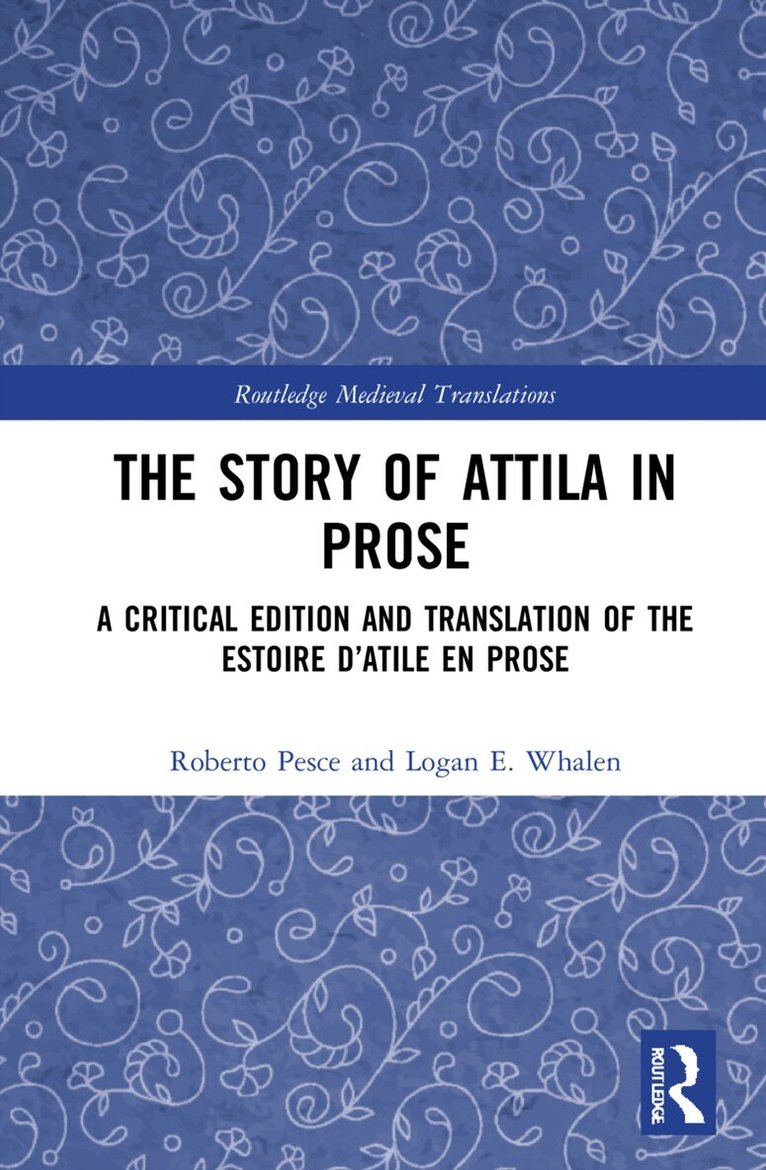
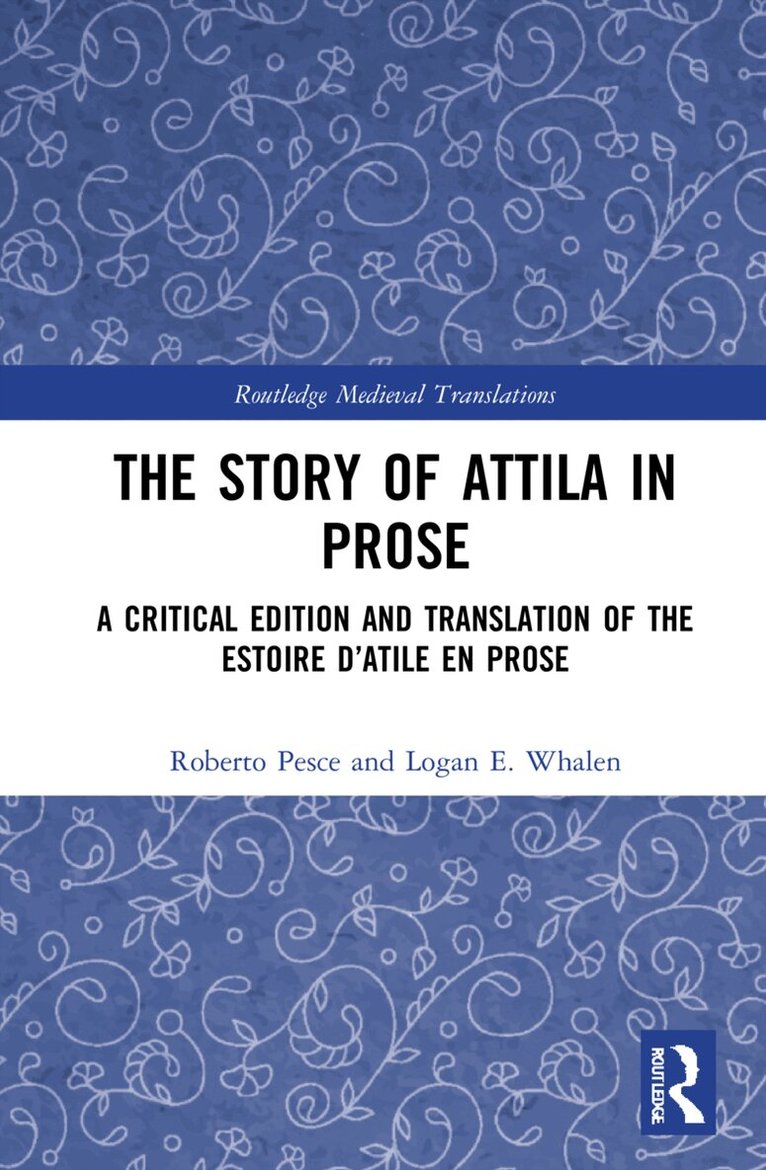
Story of Attila in Prose
A Critical Edition and Translation of the Estoire d’Atile en prose
Av Roberto Pesce, Logan E. Whalen
Inbunden, 2021
2879 kr
Lägg i varukorg
The Story of Attila in Prose is the first critical edition and translation of the thirteenth century Franco-Italian prose text the Estoire d’Atile en prose. Preserved in two anonymous and untitled manuscripts composed between the last quarter of the thirteenth century and the beginning of the …
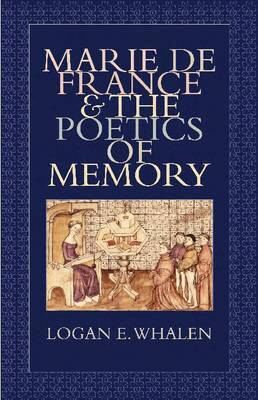
Marie De France and the Poetics of Memory
Inbunden, 2008
850 kr
Lägg i varukorg
Marie de France and The Poetics of Memory presents the first exhaustive treatment of the rhetorical use of description and memory in all the narrative works of the late 12th-century poet, Marie de France - the first woman to compose literary texts in French. Though she had no access to treatises …
Story of Attila in Prose
A Critical Edition and Translation of the Estoire d’Atile en prose
Av Logan E. Whalen, Roberto Pesce
E-bok, 2021
876 kr
Lägg i varukorg
The Story of Attila in Prose is the first critical edition and translation of the thirteenth century Franco-Italian prose text the Estoire d’Atile en prose . Preserved in two anonymous and untitled manuscripts composed between the last quarter of the thirteenth century and the beginning of the …
Story of Attila in Prose
A Critical Edition and Translation of the Estoire d’Atile en prose
Av Logan E. Whalen, Roberto Pesce
E-bok, 2021
876 kr
Lägg i varukorg
The Story of Attila in Prose is the first critical edition and translation of the thirteenth century Franco-Italian prose text the Estoire d’Atile en prose . Preserved in two anonymous and untitled manuscripts composed between the last quarter of the thirteenth century and the beginning of the …
Story of Attila in Prose
A Critical Edition and Translation of the Estoire d’Atile en prose
Av Roberto Pesce, Logan E. Whalen
Häftad, 2023
745 kr
Lägg i varukorg
The Story of Attila in Prose is the first critical edition and translation of the thirteenth century Franco-Italian prose text the Estoire d’Atile en prose. Preserved in two anonymous and untitled manuscripts composed between the last quarter of the thirteenth century and the beginning of the …