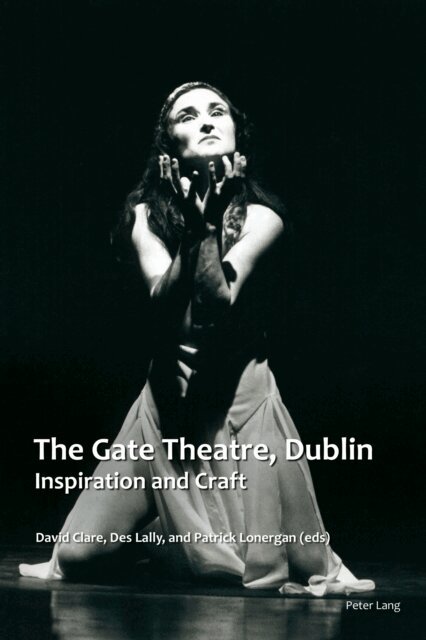
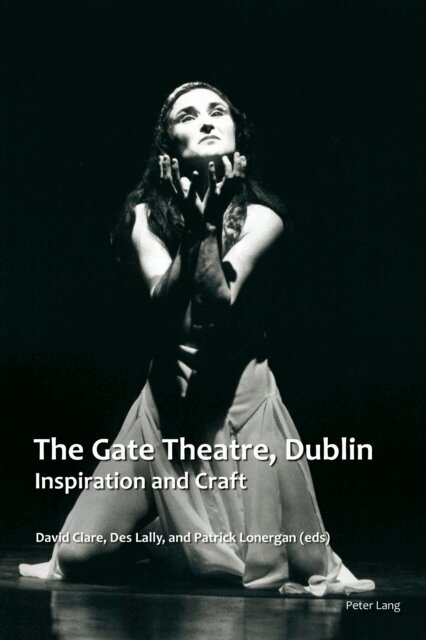
The Gate Theatre is one of Ireland's major theatres. It has produced important new plays by such figures as Brian Friel, Conor McPherson, and Denis Johnston - while also premiering significant works by other writers, including unjustly neglected women dramatists such as Mary Manning, Christine Longford, and Maura Laverty. It has made huge contributions to the art of theatre in Ireland, not only in relation to acting (launching the careers of Orson Welles, James Mason, and Michael Gambon) but also in terms of direction and design. And it has made a major contribution to the world's understanding of Samuel Beckett, Harold Pinter, and others.Despite these incredible achievements, the theatre has been the subject of very little critical attention to date. This book redresses this problem; it is, in fact, the very first scholarly essay collection devoted entirely to the theatre. It gathers together leading academics and critics who explore the Gate s achievements in relation to the development of new Irish writing and new Irish theatre practices. The book is written with scholarly rigour but also in accessible language and would therefore be of interest to anyone with a passion for Irish theatre.
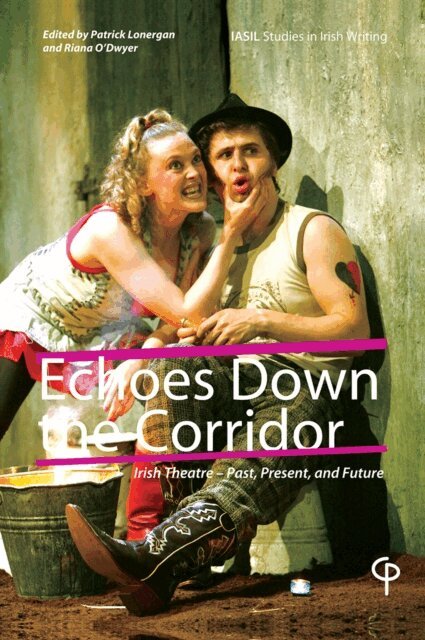
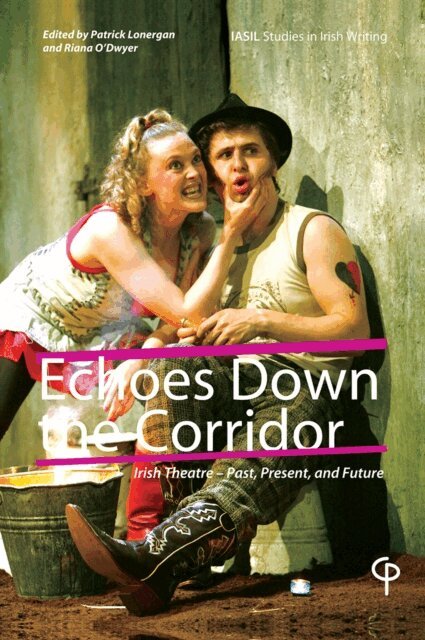
This collection of fourteen new essays explores Irish theatre from exciting new perspectives. How has Irish theatre been received internationally - and, as the country becomes more multicultural, how will international theatre influence the development of drama in Ireland? As Ireland changes, how should we think about the works of familiar figures - writers like Synge, O'Casey, Friel, Murphy, Carr, and McGuinness? Is the distinction between popular and literary drama tenable in a Celtic Tiger Ireland where the arts and economics are becoming increasingly intertwined? And is it time to remember less established Irish writers? Drawing together a range of international experts, this book aims to answer these and many other important questions.