Loren B. Mead – författare
Visar alla böcker från författaren Loren B. Mead. Handla med fri frakt och snabb leverans.
15 produkter
15 produkter
Häftad, Engelska, 1991
269 kr
Skickas inom 10-15 vardagar
Häftad, Engelska, 1993
269 kr
Skickas inom 10-15 vardagar
Häftad, Engelska, 1998
255 kr
Skickas inom 10-15 vardagar
Häftad, Engelska, 2012
269 kr
Skickas inom 10-15 vardagar
Häftad, Engelska, 2008
365 kr
Skickas inom 10-15 vardagar
E-bok
Engelska, 2012278 kr
Läs direkt efter köp
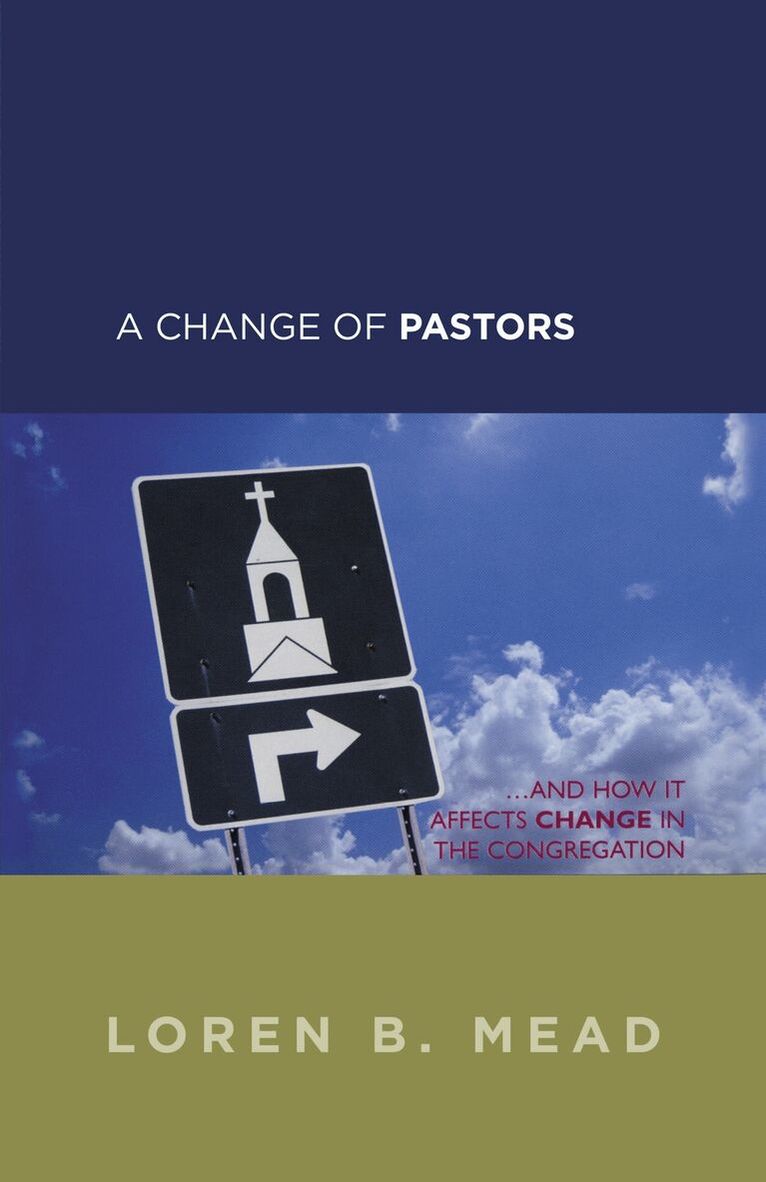
Twenty years after Critical Moment of Ministry was first published, Loren Mead returns to his groundbreaking work on one of the most important times in a congregation’s life—the time between one pastor’s leaving and another’s arrival. In this revised edition, A Change of Pastors, Mead shares the wisdom he gained from 35 years of studying congregations, wisdom that he hopes will allow congregations to take full advantage of this “extraordinarily pregnant moment” during which incredible congregational change can happen.
E-bok
Engelska, 2008383 kr
Läs direkt efter köp
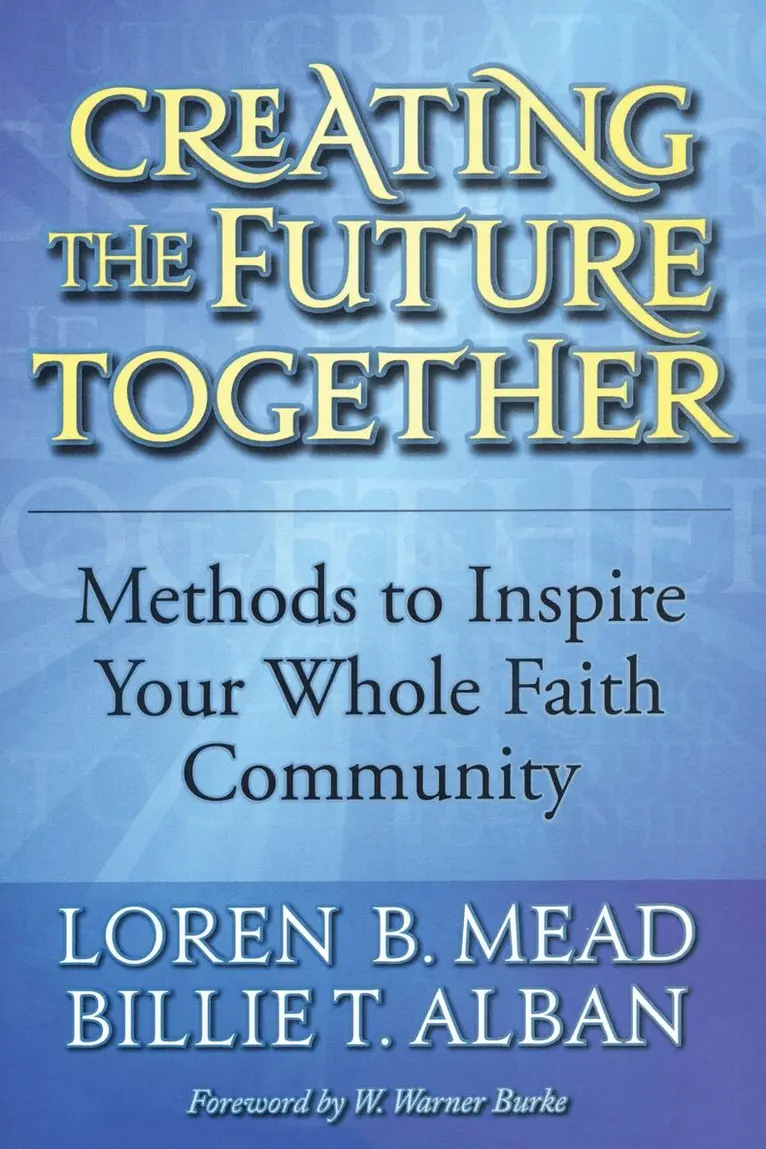
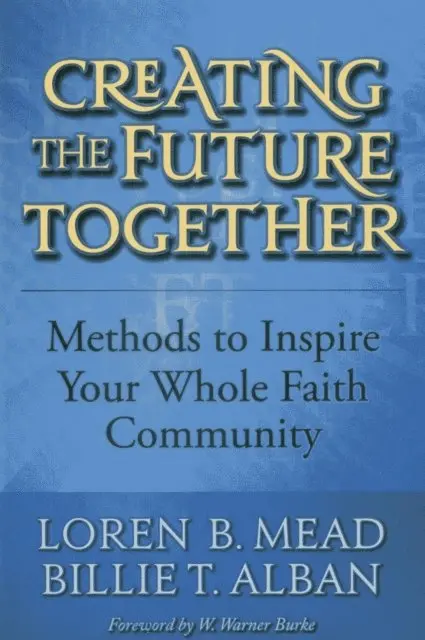
Congregations today face a multitude of challenges in trying to adapt to a quickly changing world. Balancing new concerns with core values is a complicated process that can leave too many members feeling that their voices and needs are not being met. Loren B. Mead and Billie T. Alban have developed Creating the Future Together to share their knowledge of how congregations can use large group methods to navigate these new waters. Large group methods involve getting all the stakeholders together to work on major issues of common concern. Mead and Alban outline four such methods--two for identifying a preferred future and two designed to create community and discover common interest. This book is not meant to be a how-to volume; its primary purpose is to familiarize leaders with these whole-system approaches and to provide a conceptual framework for evaluating their potential usefulness against any given challenge. The authors also share stories from a variety of Christian and Jewish faith communities where ordinary religious leaders, lay and clergy together, have faced issues related to change using large group methods. Combining their wealth of experience in leading religious and secular bodies through times of change, Mead and Alban bring hope to faith communities as they work to embrace, and even thrive through, the need for change.
E-bok
Engelska, 1998263 kr
Läs direkt efter köp
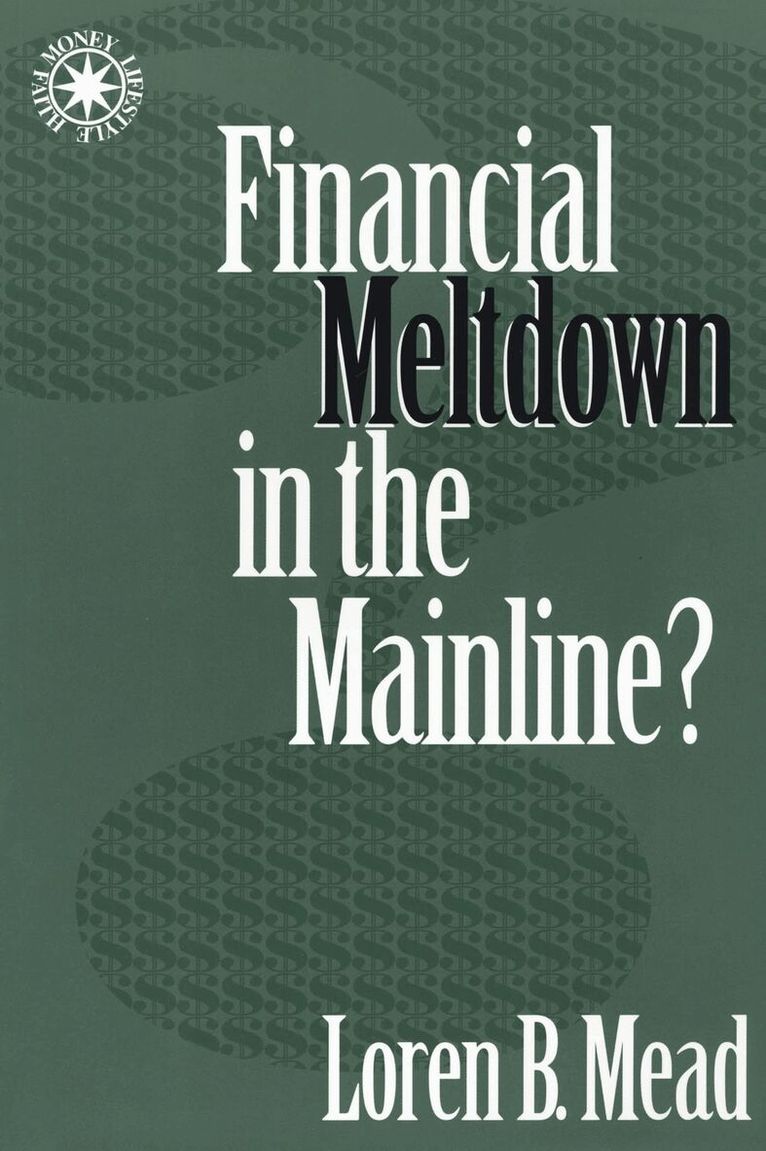
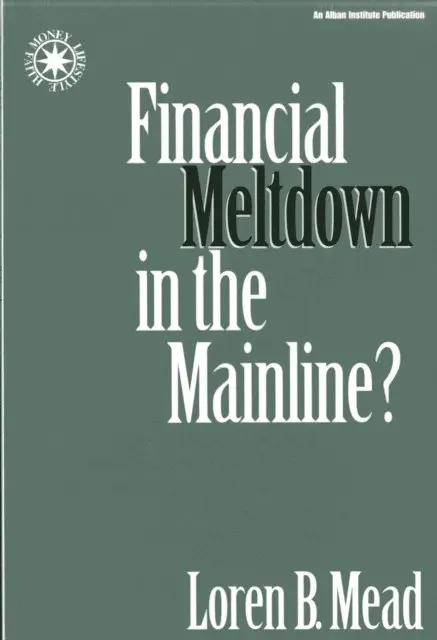
Intentionally provocative, Alban founder and former president Loren Mead''s dynamic work sets out dramatic and compelling challenges for today''s churches. Mead chose the word "meltdown"-a strong term, indeed-very carefully and consciously. His clarion call urges congregations to direct attention to their dwindling financial resources and their unreliable fiscal practices, and to take major action now-or face disaster in the future. Mead addresses changing church giving patterns; the inconsistent ways congregations keep financial records; the lack of coordinated short- and long-range planning; the need for knowledge of sound financial techniques such as accounting for inflation; an over-reliance on "restructuring" to fix problems; and lack of defensive planning for operational costs.
E-bok
Engelska, 1996255 kr
Läs direkt efter köp
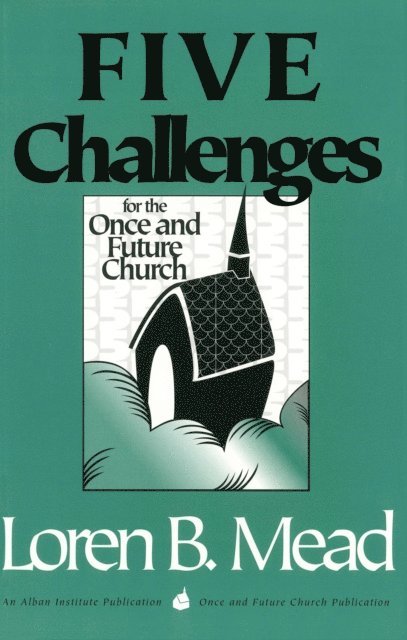
Mead presents five key challenges facing today’s churches-and how they represent opportunities for the evolutionary, transformative changes he believes must take place in congregations if the church is to remain a viable institution into the twenty-first century. Readers of Mead''s Once and Future Church and Transforming Congregations for the Future will want to continue the journey begun with those books. A must for congregational leaders at all levels.
E-bok
Engelska, 1993278 kr
Läs direkt efter köp
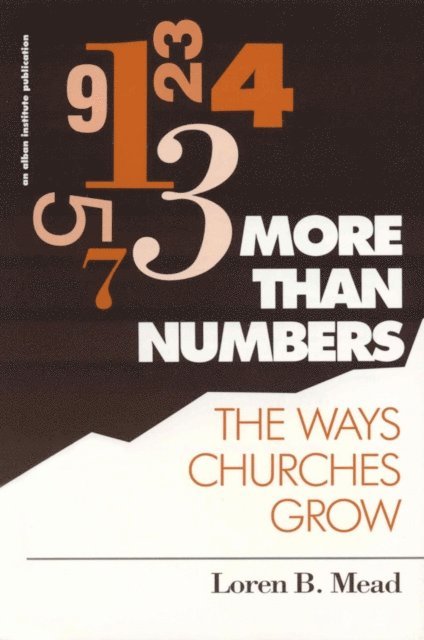
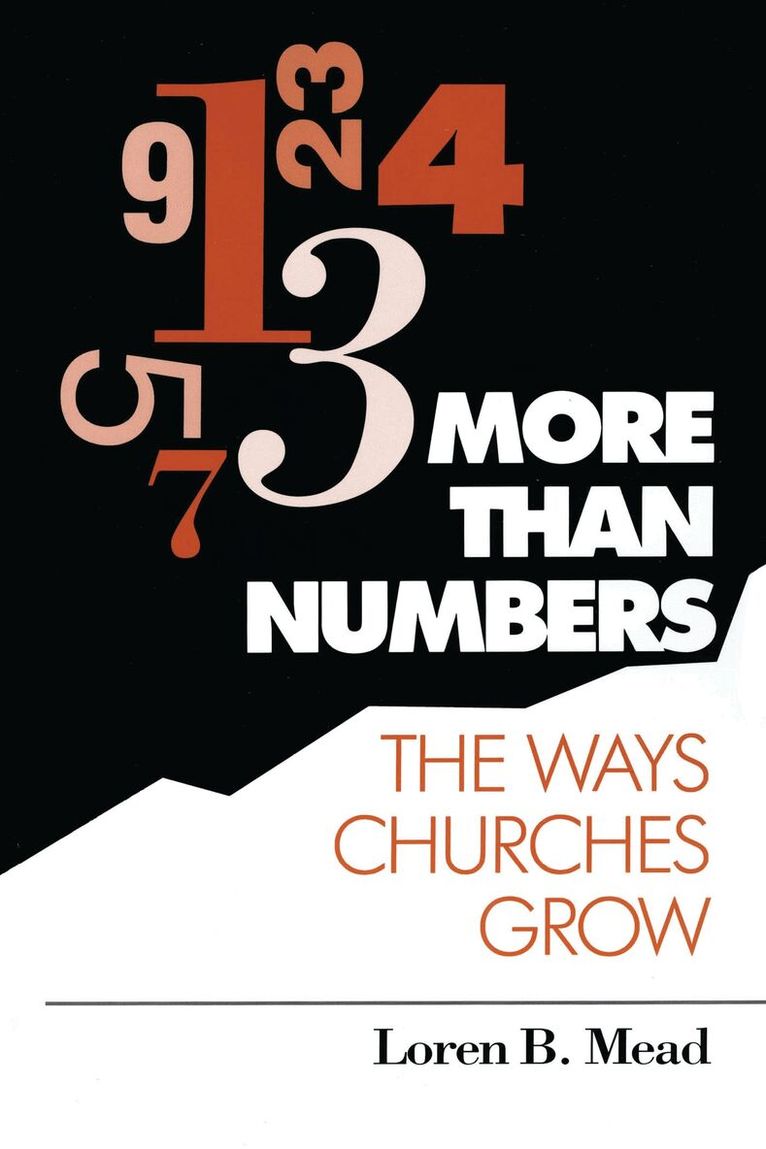
Mead explores what church growth and evangelism really mean in a time when it is mathematically impossible for every congregation to achieve significant numerical growth. He argues provocatively that spiritual, organizational, and missional growth are just as important as numerical growth, and that all four are needed for a truly healthy and growing church. Case studies and discussion questions are included.
278 kr
Läs direkt efter köp
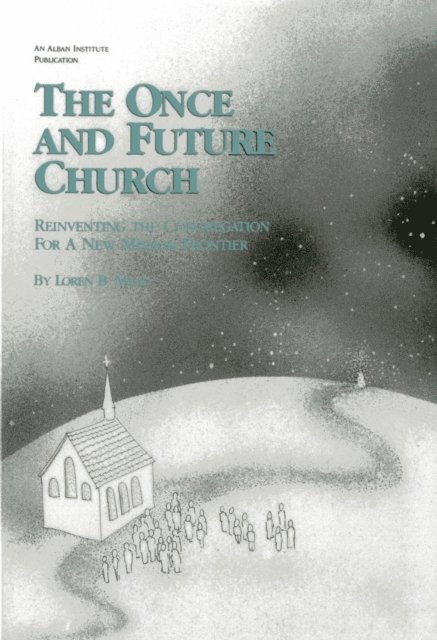
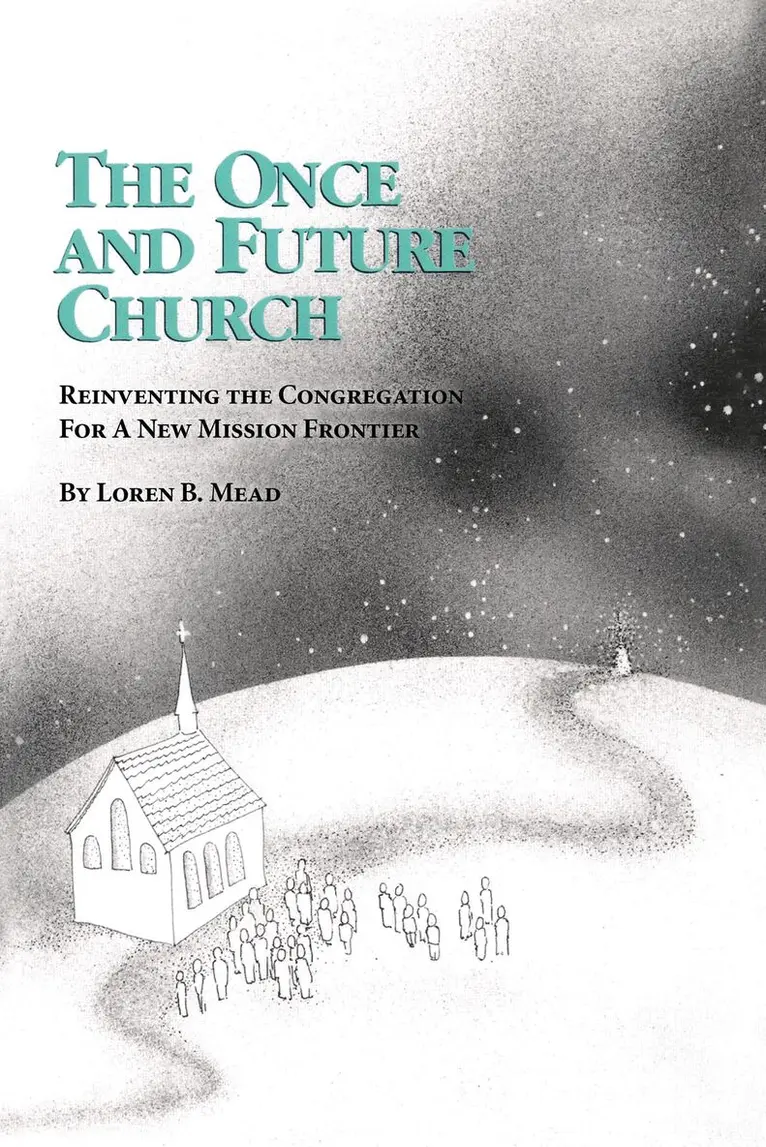
Mead takes a broad look at past and present changes in the church, and postulates a future to which those changes are calling us. Denominations, once structured to deliver resources to far-off lands of foreign mission, now encounter the mission field in the layperson''s workplace and the community surrounding the local congregation. Thus, the church is called to reinvention for this new mission frontier
E-bok
Engelska, 2001450 kr
Läs direkt efter köp
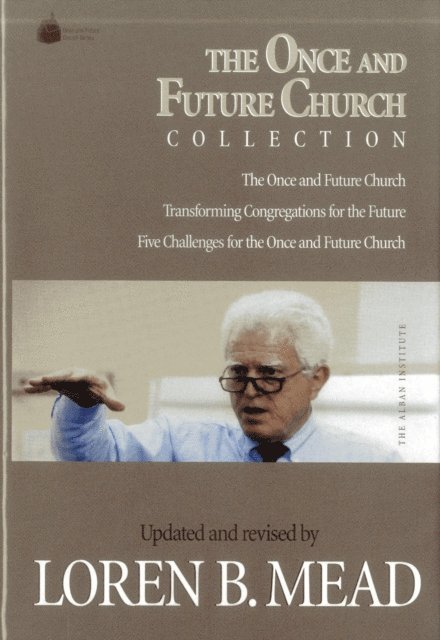
In 1991 The Once and Future Church by Alban Institute founder and former director Loren B. Mead created an instant sensation in congregational circles with its prophetic insights into the life of the church in a post-Christendom era. Still often-quoted and in demand, the book stands as Alban''s all-time best seller. Two subsequent titles, Transforming Congregations for the Future and Five Challenges for the Once and Future Church, extended Mead''s original vision with similar success. To celebrate the tenth anniversary of the publication of The Once and Future Church, Alban released all three of these books as a single, special edition hardcover. In addition to these classic texts in beautiful, newly designed formats, this collection features an interview with Loren Mead discussing how his views have changed since the books'' first publications and his current thoughts on directions for the church in the twenty-first century. This hardcover volume is the perfect gift for graduating seminary students, new congregational leaders, or for pastors whose original editions of these three books may be dog-eared or missing--and a wonderful addition to every church library. All who love the church and pray for the future of our congregations will value this opportunity to have Loren Mead''s seminal works in a single, long-lived edition.
E-bok
Engelska, 1994255 kr
Läs direkt efter köp
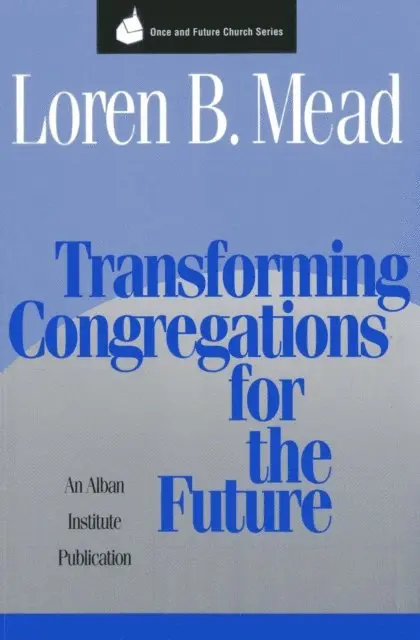
In this third volume of the Once and Future Church Series Loren Mead focuses on what he sees as the age-old call of the church - living and breathing the good news promise of spiritual transformation for all to see. He explores how we as the church may need to change as institutions and as individuals within institutions. Anyone who has read The Once and Future Church will want to explore the next step as Mead challenges us to examine the transformations inherent in God''s call to renew His church.
Inbunden, Engelska, 2026
1 276 kr
Skickas
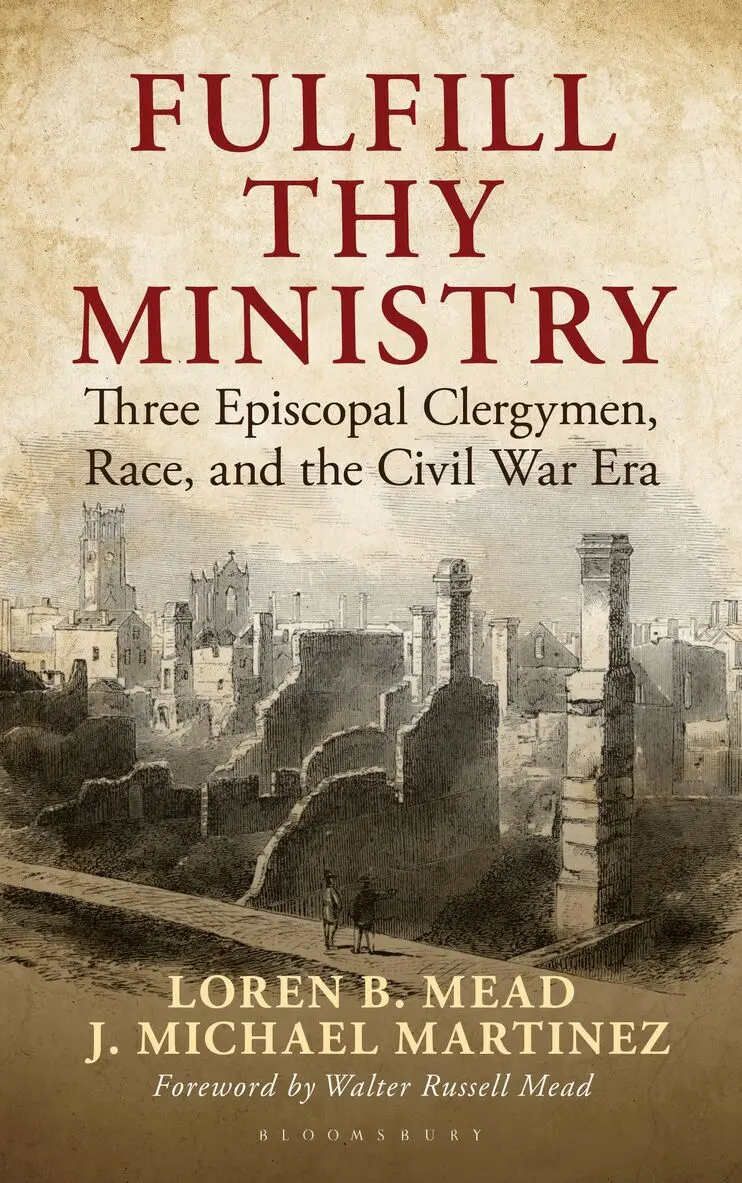
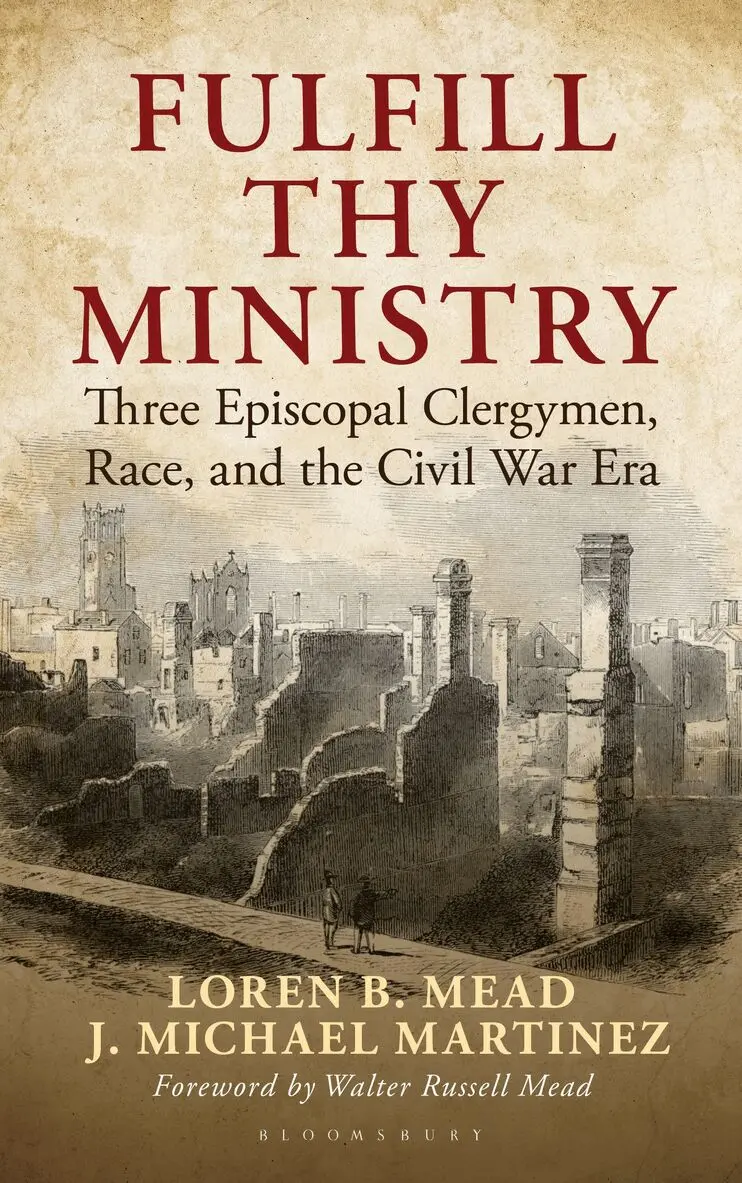
Race and enslavement were the major issues confronting the Christian Church in the United States throughout the nineteenth century. During the antebellum era, churches debated whether their scriptures condoned race-based slavery.To understand better how these Southern churches evaluated and made their choices in postwar nineteenth-century America, this book examines the lives and careers of three white Episcopal clergy from South Carolina: Peter Fayssoux Stevens (1830-1910), A. Toomer Porter (1828-1902), and William Porcher DuBose (1836-1918). These men present illuminating case studies because they were contemporaries and their early lives were remarkably similar, yet their responses to how the Southern church welcomed or rejected freed Blacks significantly diverged following the Civil War.Each of these representative figures was born in antebellum South Carolina, reared in the Protestant Episcopal Church (PEC), and called to ministry. Porter and DuBose hailed from families made wealthy by the labor of enslaved persons. When war erupted in 1861, each man served the Confederate States of America (CSA). After the war, however, their attitudes toward race sharply differed.Their responses to the end of the Civil War, Reconstruction, and Jim Crow can be understood within the context of the men’s lives and careers. That three white South Carolina Episcopalians born within a decade of each other would pursue divergent paths in subsequent years highlights the contradictions, complexities, and hypocrisies of faith and racial attitudes in the nineteenth-century Protestant church.The book contributes to Southern religious history, church history, and American religious history. Studying these figures tells a larger story about how the Christian church, and the South, understood faith commitments in the context of social and religious racism—racism that, sadly, remains in evidence in the church today.
Häftad, Engelska, 2026
394 kr
Skickas
Race and enslavement were the major issues confronting the Christian Church in the United States throughout the nineteenth century. During the antebellum era, churches debated whether their scriptures condoned race-based slavery.To understand better how these Southern churches evaluated and made their choices in postwar nineteenth-century America, this book examines the lives and careers of three white Episcopal clergy from South Carolina: Peter Fayssoux Stevens (1830-1910), A. Toomer Porter (1828-1902), and William Porcher DuBose (1836-1918). These men present illuminating case studies because they were contemporaries and their early lives were remarkably similar, yet their responses to how the Southern church welcomed or rejected freed Blacks significantly diverged following the Civil War.Each of these representative figures was born in antebellum South Carolina, reared in the Protestant Episcopal Church (PEC), and called to ministry. Porter and DuBose hailed from families made wealthy by the labor of enslaved persons. When war erupted in 1861, each man served the Confederate States of America (CSA). After the war, however, their attitudes toward race sharply differed.Their responses to the end of the Civil War, Reconstruction, and Jim Crow can be understood within the context of the men’s lives and careers. That three white South Carolina Episcopalians born within a decade of each other would pursue divergent paths in subsequent years highlights the contradictions, complexities, and hypocrisies of faith and racial attitudes in the nineteenth-century Protestant church.The book contributes to Southern religious history, church history, and American religious history. Studying these figures tells a larger story about how the Christian church, and the South, understood faith commitments in the context of social and religious racism—racism that, sadly, remains in evidence in the church today.