Lorenz Rahmstorf – författare
Visar alla böcker från författaren . Handla med fri frakt och snabb leverans.
3 produkter
3 produkter
Häftad, Engelska, 2021
492 kr
Skickas
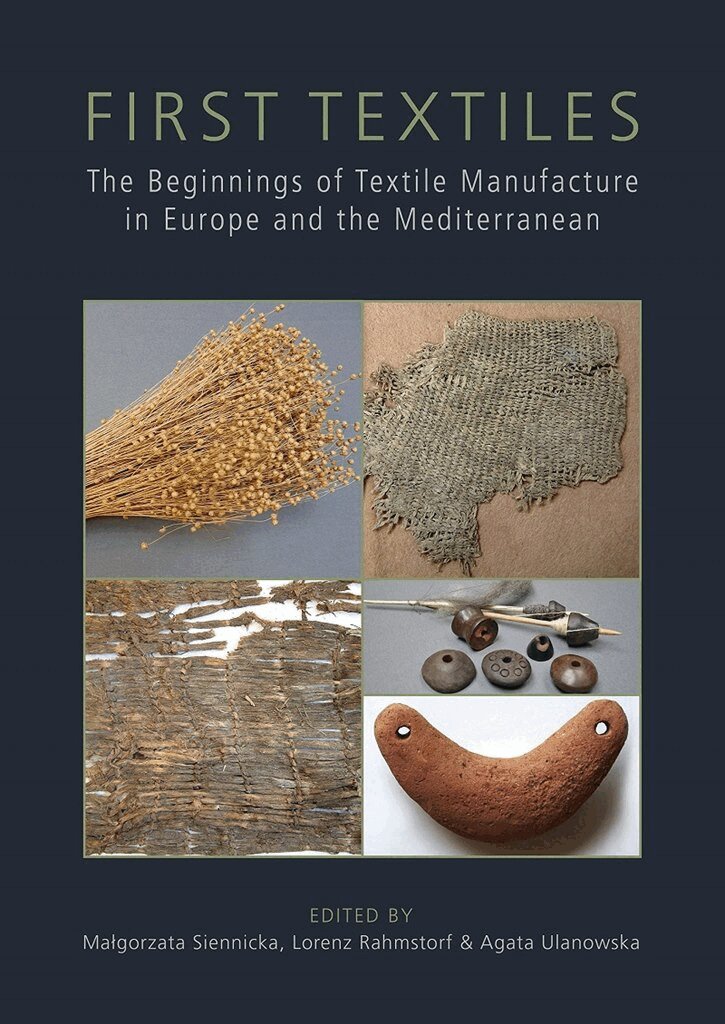
Textile production and the manufacture of clothing was one of the most essential daily activities in prehistory. Textiles were significant objects of practical use, and at the same time had cultural, social and symbolic meaning, crucial for displaying the identity, gender, social rank and status, or wealth of their users. However, evidence of ancient clothing is scarce due to unfavourable preservation of organic materials. Only occasionally are prehistoric textiles and associated implements preserved, mainly as a result of exceptional environmental conditions, such as waterlogged contexts like bogs, or in very dry or cold climates. In other cases textiles are sporadically mineralised, carbonised or preserved by metal corrosion. Textiles and leather can also be visible as imprints on clay.The beginning of textile manufacture is still vague, but can be traced back to the upper Palaeolithic. Important developments in textile technology, e.g. weaving, spinning with a spindle, introduction of wool, appeared in Europe and the Mediterranean throughout the Neolithic, Chalcolithic and Early Bronze Age. This book is devoted to the early textile production in Europe and the Mediterranean and aims to collect and investigate the combined evidence of textile and leather remains, tools, workplaces and textile iconography.The chapters discuss the recent achievements in the research of ancient textiles and textile production, textile techniques such as spinning, fabric and skin manufacture, use of textile tools and experimental textile archaeology. The volume explores important cultural and social aspects of textile production, and its development.
Häftad, Tyska, 2025
879 kr
Skickas inom 3-6 vardagar
E-bok
PDF, Tyska, 2025867 kr
Läs direkt efter köp
Der Band beinhaltet wissenschaftliche, materialbezogene Abschlussarbeiten der Institute fur Ur- und Fruhgeschichte aus Gottingen und Koln, die in engem Kontakt mit der niedersachsischen Bodendenkmalpflege stehen. Die Arbeiten decken einen Zeitraum von der Jungsteinzeit bis in die Fruhe Eisenzeit ab und reichen raumlich vom Osnabrucker Land uber Weser und Leine bis in den Landkreis Helmstedt. Hervorzuheben ist die enge Zusammenarbeit zwischen den Denkmalschutzbehorden, ehrenamtlich Beauftragten, Sammlern und wissenschaftlichen Institutionen. Eine Pilotstudie zeigt zudem das wissenschaftliche Potenzial menschlicher Skelettreste aus der Weser auf, die anthropologisch untersucht und mit 14C-Daten ausgewertet wurden. Mit Beitragen von Leon Dierkes | Silke Grefen-Peters | Lara Helsberg | Immo Heske | Patrick Maier