Lorenzo Fusaro – författare
Visar alla böcker från författaren Lorenzo Fusaro. Handla med fri frakt och snabb leverans.
8 produkter
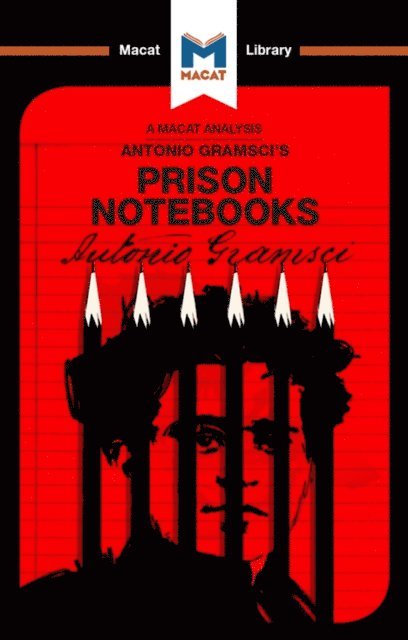
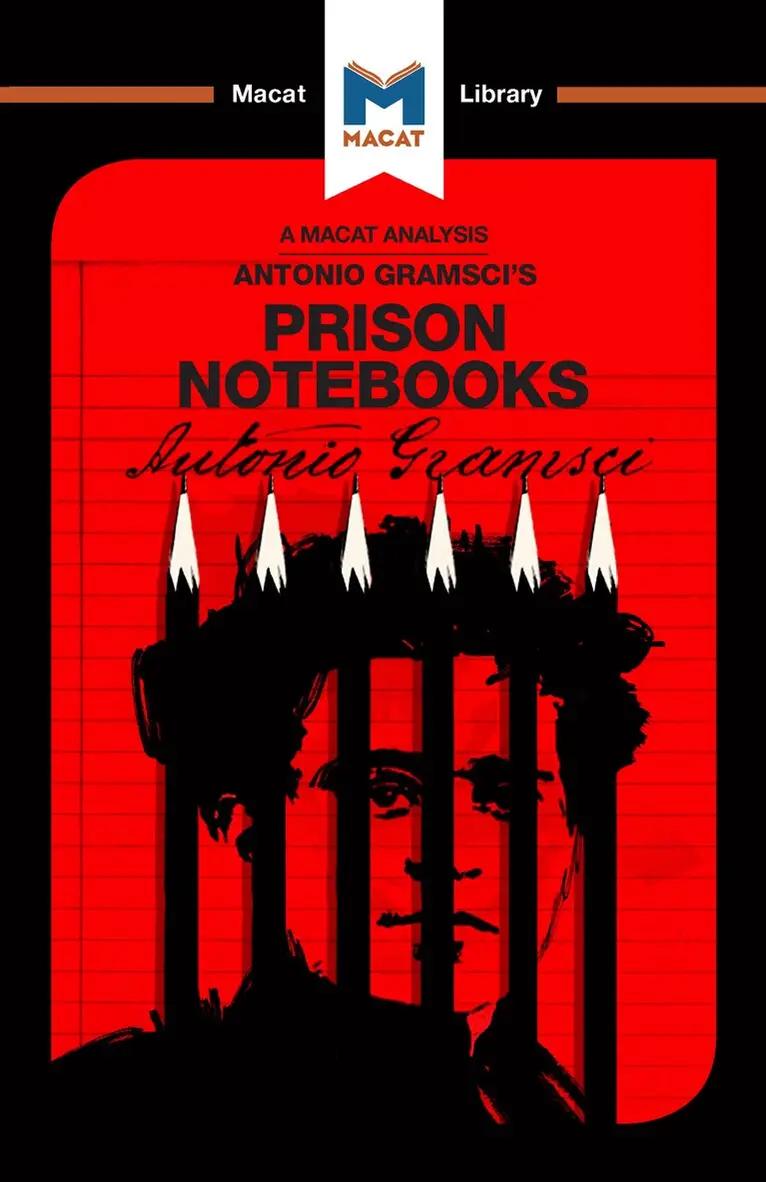
Analysis of Antonio Gramsci's Prison Notebooks
Av Jason Xidias, Lorenzo Fusaro
E-bok, 2017
140 kr
Lägg i varukorg
Antonio Gramsci’s Prison Notebooks is a remarkable work, not only because it was written in jail as the Italian Marxist thinker fell victim to political oppression in his home country, but also because it shows his impressive analytical ability. First published in 1948, 11 years after Gramsci’s …
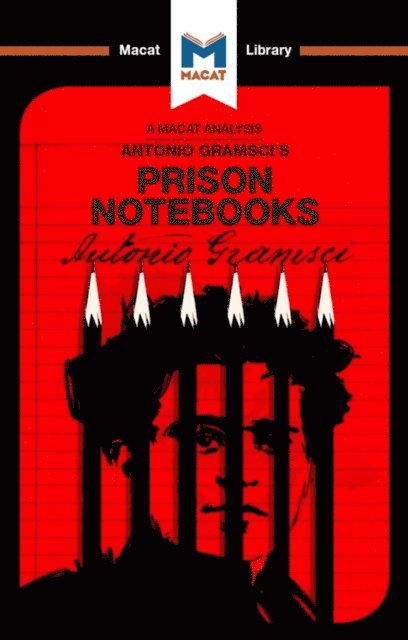
Analysis of Antonio Gramsci's Prison Notebooks
Av Jason Xidias, Lorenzo Fusaro
E-bok, 2017
140 kr
Lägg i varukorg
Antonio Gramsci’s Prison Notebooks is a remarkable work, not only because it was written in jail as the Italian Marxist thinker fell victim to political oppression in his home country, but also because it shows his impressive analytical ability. First published in 1948, 11 years after Gramsci’s …
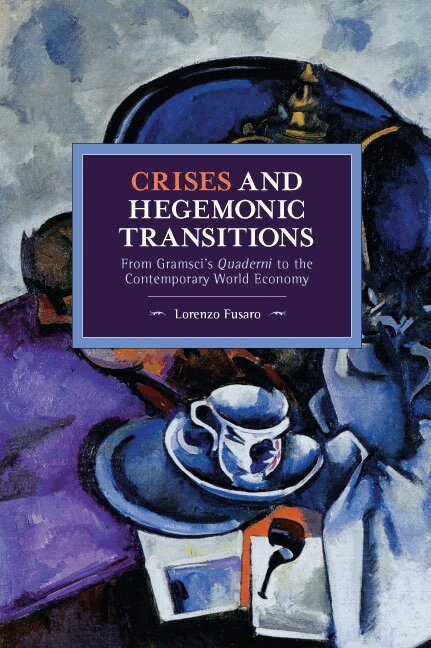
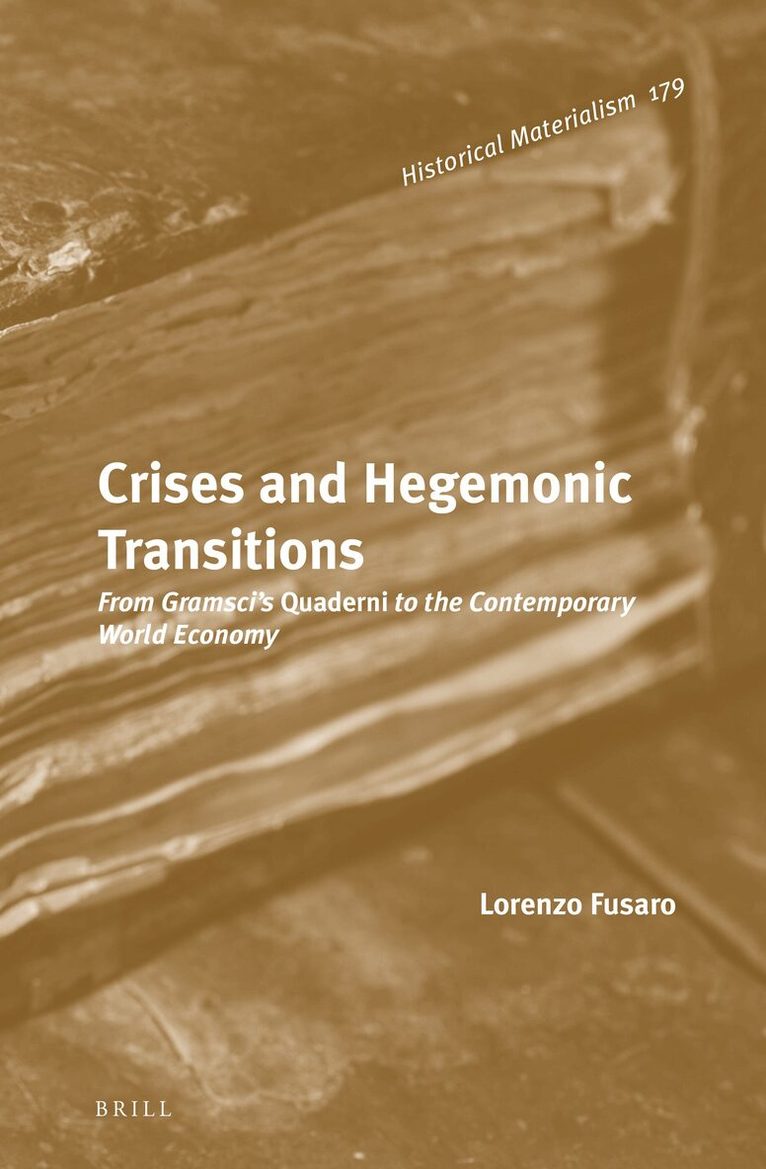
Crises and Hegemonic Transitions
From Gramsci's Quaderni to the Contemporary World Economy
Häftad, 2020
356 kr
Lägg i varukorg
Crises and Hegemonic Transitions reworks the concept of hegemony at the international level and analyses its relation to world market crises. Returning to the critical edition of Gramsci's Quaderni and maintaining that the author's work is permeated by Marx's Capital and the law of value, Fusaro …
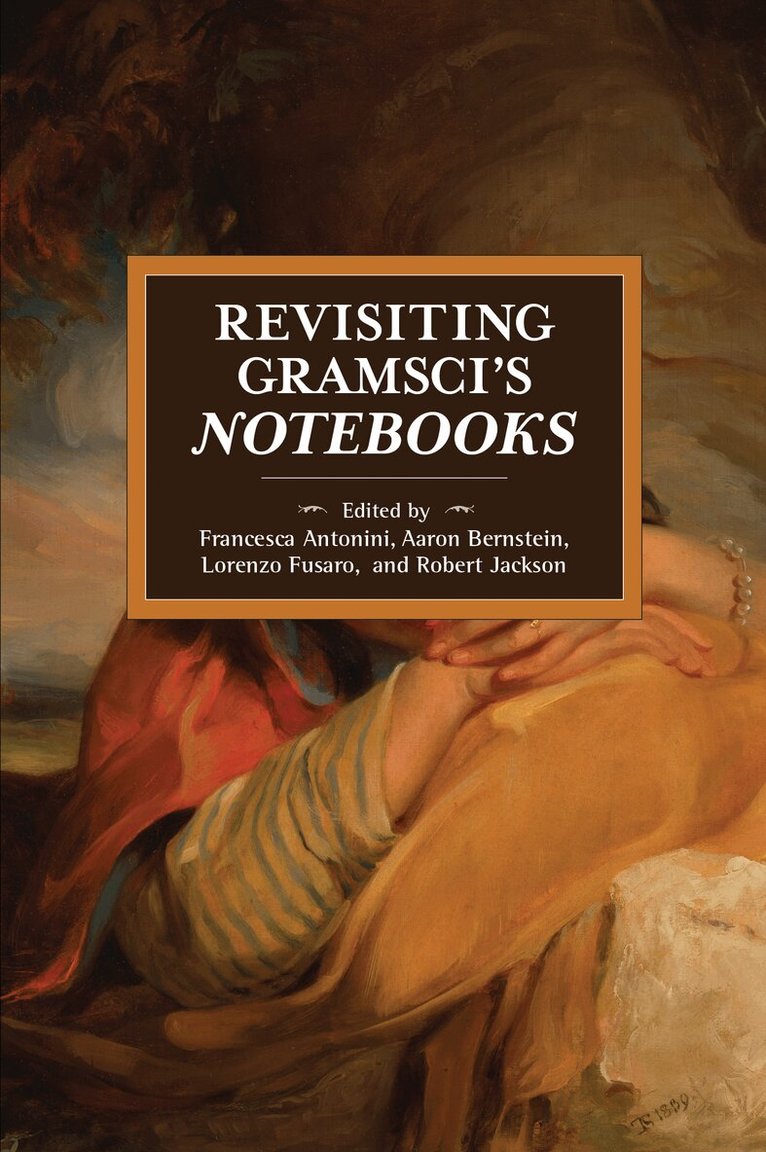
Revisiting Gramsci’s Notebooks
Av Francesca Antonini, Aaron Bernstein m. fl.
Häftad, 2020
494 kr
Lägg i varukorg
Revisiting Gramsci's Notebooks offers a rich collection of historical, philosophical, and political studies addressing the thought of Antonio Gramsci, one of the most significant intellectuals of the twentieth century. Based on thorough analyses of Gramsci's texts, these interdisciplinary …
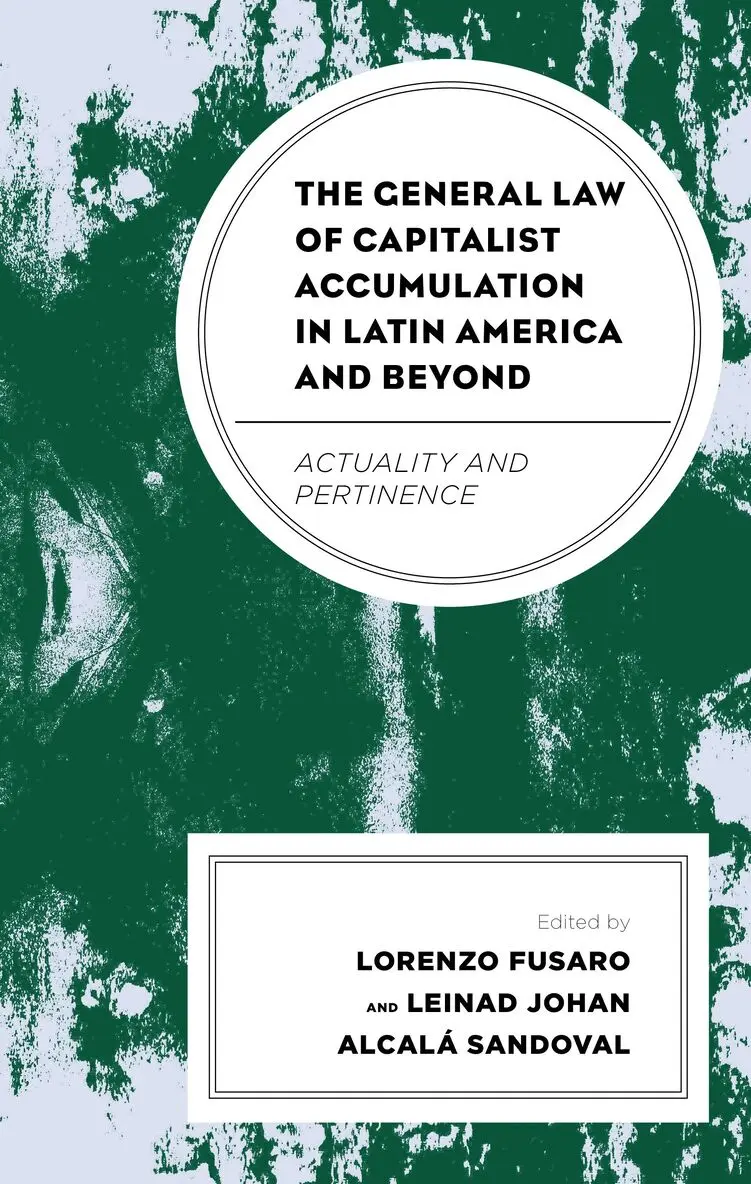
General Law of Capitalist Accumulation in Latin America and Beyond
Actuality and Pertinence
Av Lorenzo Fusaro, Leinad Johan Alcalá Sandoval
Inbunden, 2022
1207 kr
Lägg i varukorg
This edited collection engages with Marx’s General Law of Capitalist Accumulation, examining the relevance and actuality of Marx’s propositions for the analysis of contemporary capitalism in Latin America and beyond. The contributors offer an original and updated interpretation of Marx while also …
Analysis of Antonio Gramsci's Prison Notebooks
Av Lorenzo Fusaro, Jason Xidias
Häftad, 2017
103 kr
Lägg i varukorg
Antonio Gramsci’s Prison Notebooks is a remarkable work, not only because it was written in jail as the Italian Marxist thinker fell victim to political oppression in his home country, but also because it shows his impressive analytical ability.First published in 1948, 11 years after Gramsci’s …
Analysis of Antonio Gramsci's Prison Notebooks
Av Lorenzo Fusaro, Jason Xidias
Inbunden, 2017
307 kr
Lägg i varukorg
Antonio Gramsci’s Prison Notebooks is a remarkable work, not only because it was written in jail as the Italian Marxist thinker fell victim to political oppression in his home country, but also because it shows his impressive analytical ability.First published in 1948, 11 years after Gramsci’s …
Crises and Hegemonic Transitions
From Gramsci’s Quaderni to the Contemporary World Economy
Inbunden, 2018
2834 kr
Lägg i varukorg
Crises and Hegemonic Transitions reworks the concept of hegemony at the international level and analyses its relation to world market crises. Returning to the critical edition of Gramsci’s Quaderni and maintaining that the author’s work is permeated by Marx’s Capital and the law of value, Fusaro …