Lorenzo Sabetta – författare
2 352 kr
Skickas inom 10-15 vardagar
686 kr
Läs direkt efter köp
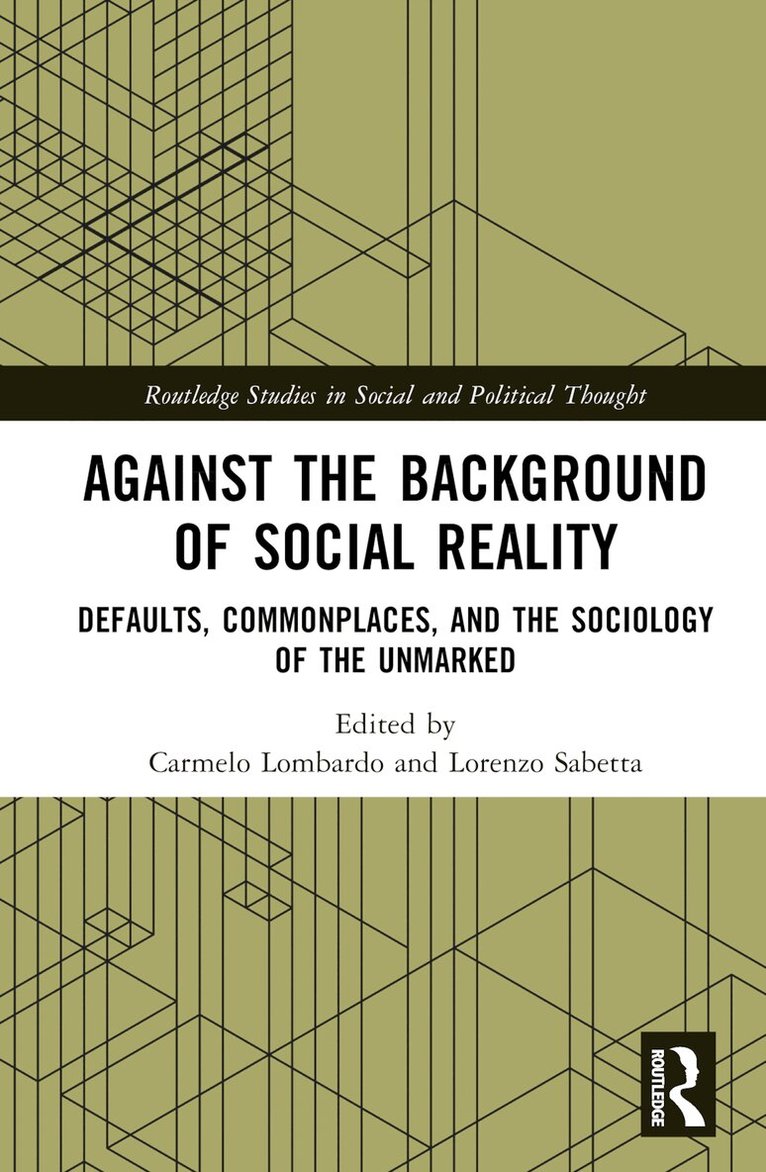
The first wide-ranging, organic analysis of the sociology of unmarkedness and taken-for-grantedness, this volume investigates the asymmetry between how we attend to the culturally emphasized features of social reality and ignore the culturally unmarked ones. Concerned with the structures of cultural invisibility, unconscious rules of irrelevance, automatic frames of meaning, and collective attention patterns, it brings together scholarship spanning sociology, anthropology, and social psychology, to cover various aspects of humdrum, unglamorous, nondescript, nothing-to-write-at-home-about social phenomena, developing the key assumptions, underpinnings, and implications of this field of study.
As comprehensive analysis of unremarked features of our social existence, this book will appeal to scholars across the social sciences with interests in social theory and the sociology of everyday life.
686 kr
Läs direkt efter köp
The first wide-ranging, organic analysis of the sociology of unmarkedness and taken-for-grantedness, this volume investigates the asymmetry between how we attend to the culturally emphasized features of social reality and ignore the culturally unmarked ones. Concerned with the structures of cultural invisibility, unconscious rules of irrelevance, automatic frames of meaning, and collective attention patterns, it brings together scholarship spanning sociology, anthropology, and social psychology, to cover various aspects of humdrum, unglamorous, nondescript, nothing-to-write-at-home-about social phenomena, developing the key assumptions, underpinnings, and implications of this field of study.
As comprehensive analysis of unremarked features of our social existence, this book will appeal to scholars across the social sciences with interests in social theory and the sociology of everyday life.
607 kr
Skickas inom 10-15 vardagar
1 913 kr
Skickas inom 5-8 vardagar
757 kr
Läs direkt efter köp
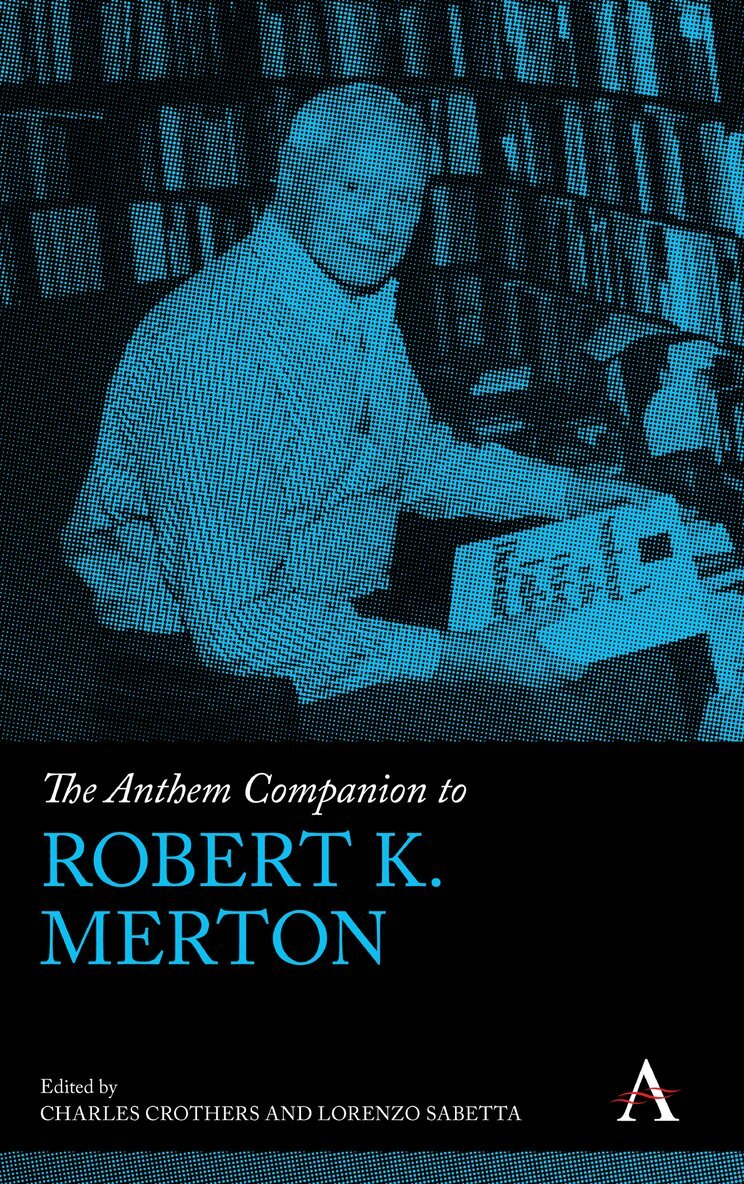
Robert K. Merton’s sociological work spans several decades: 1920s (childhood), 1930s (anomie, science, unanticipated), 1940s (housing studies, mass communications, structural-functional analysis, professions, focus groups), 1950s (reference groups), 1960s (ambivalence) and later decades (structural analysis, sociological semantics, cultural sociology). He particularly contributed to sociology during a period when several specialties were being set up and yet his work spans both general and specialist sociologies. He is recognized as the father of anomie/strain theory, focus groups, sociology of science, role set theory, analytical sociology, structural-functional analysis, ambivalence studies and sociological semantics, but always endeavoured to keep the multifarious threads of sociology together. Merton stood at the junction of many other crossroads: classical and modern sociology; American and European sociology; theory and research; philosophy of social science and applied sociology; pure academic sociology and applied sociology; cognitive and social; social sciences and humanities; social sciences and science. Yet the different components of RKM’s work relate to each other. RKM had a major effect on the baby boomer generation of sociology who joined the ranks of sociology at a time of great expansion of university positions across many developed countries. Other generations of sociologists so far less exposed to his work should gain much from consideration of the essays in this volume.
757 kr
Läs direkt efter köp
Robert K. Merton’s sociological work spans several decades: 1920s (childhood), 1930s (anomie, science, unanticipated), 1940s (housing studies, mass communications, structural-functional analysis, professions, focus groups), 1950s (reference groups), 1960s (ambivalence) and later decades (structural analysis, sociological semantics, cultural sociology). He particularly contributed to sociology during a period when several specialties were being set up and yet his work spans both general and specialist sociologies. He is recognized as the father of anomie/strain theory, focus groups, sociology of science, role set theory, analytical sociology, structural-functional analysis, ambivalence studies and sociological semantics, but always endeavoured to keep the multifarious threads of sociology together. Merton stood at the junction of many other crossroads: classical and modern sociology; American and European sociology; theory and research; philosophy of social science and applied sociology; pure academic sociology and applied sociology; cognitive and social; social sciences and humanities; social sciences and science. Yet the different components of RKM’s work relate to each other. RKM had a major effect on the baby boomer generation of sociology who joined the ranks of sociology at a time of great expansion of university positions across many developed countries. Other generations of sociologists so far less exposed to his work should gain much from consideration of the essays in this volume.
544 kr
Skickas inom 10-15 vardagar
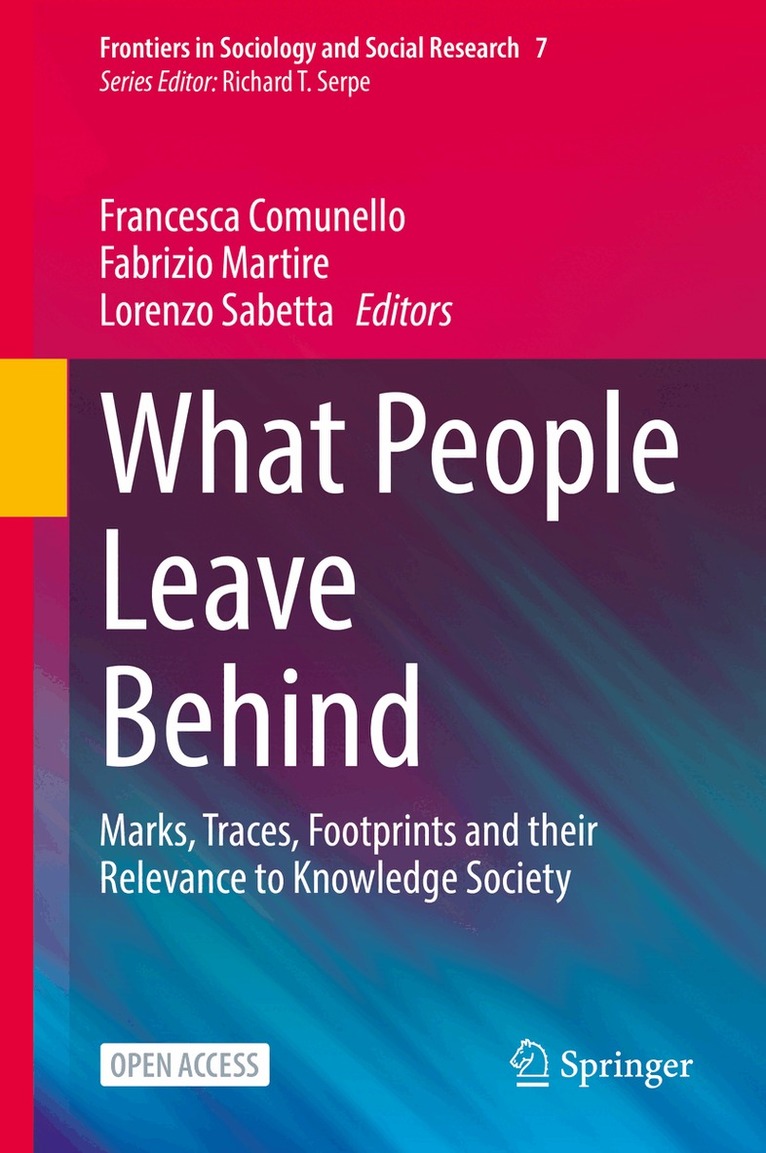
What People Leave Behind
Marks, Traces, Footprints and their Relevance to Knowledge Society
436 kr
Skickas inom 10-15 vardagar