Loretta Cormier - Böcker
Visar alla böcker från författaren Loretta Cormier. Handla med fri frakt och snabb leverans.
2 produkter
2 produkter
738 kr
Skickas inom 3-6 vardagar
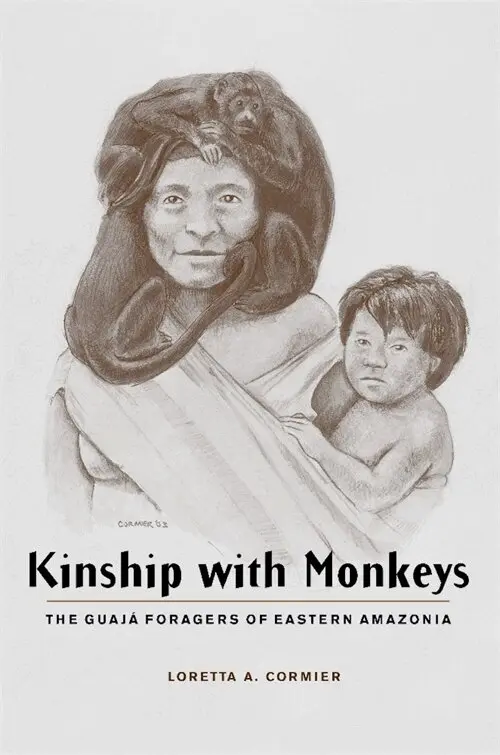
Intrigued by a slide showing a woman breast-feeding a monkey, anthropologist Loretta A. Cormier spent fifteen months living among the Guaja, a foraging people in a remote area of Brazil. The result is this ethnographic study of the extraordinary relationship between the Guaja Indians and monkeys. While monkeys are a key food source for the Guaja, certain pet monkeys have a quasi-human status. Some infant monkeys are adopted and nurtured as human children while others are consumed in accordance with the "symbolic cannibalism" of their belief system. The apparent contradiction of this predator/protector relationship became the central theme of Cormier's research: How can monkeys be both eaten as food and nurtured as children? Her research reveals that monkeys play a vital role in Guaja society, ecology, economy, and religion. In Guaja animistic beliefs, all forms of plant and animal life-especially monkeys-have souls and are woven into a comprehensive kinship system. Therefore, all consumption can be considered a form of cannibalism.Cormier sets the stage for this enlightening study by examining the history of the Guaja and the ecological relationships between human and nonhuman primates in Amazonia. She also addresses the importance of monkeys in Guaja ecological adaptation as well as their role in the Guaja kinship system. Cormier then looks at animism and life classification among the Guaja and the role of pets, which provide a context for understanding "symbolic cannibalism" and how the Guaja relate to various forms of life in their natural and supernatural world. The book concludes with a discussion of the implications of ethnoprimatology beyond Amazonia, including Western perceptions of primates.
Disasters and Vulnerable Populations
Evidence-Based Practice for the Helping Professions
Häftad, Engelska, 2014
960 kr
Skickas inom 5-8 vardagar
Offers the most current, evidence-based information for helping specific populations affected by disastersVulnerable populations such as children, older adults, and people with disabilities are disproportionately affected by large-scale disasters. This hands-on resource for students and professionals in social work, counseling, nursing, and mental health encompasses the best and most current evidence-based interventions for effectively responding to the needs of vulnerable populations following disasters. Using an all-hazards perspective, the book also provides a dedicated section containing population-specific personal preparedness considerations and discusses the role of preparedness in mitigating negative consequences. The resource is unique in its provision of vital information for locating requisite assessment tools, preparedness checklists, and forms. It also provides a list of mobile applications offered through national organizations.The resource addresses the specific psychosocial needs of vulnerable populations after a disaster. It delivers best practices for crisis intervention with specific populations including children, older adults, people with disabilities, people with mental health issues, and people with substance abuse issues. The authors present a theoretical foundation for understanding disasters, response systems, common guidelines for preparedness, and basic crisis theory. This is a resource that will be valuable not only to practitioners in a great variety of health disciplines, but also to volunteer professionals and paraprofessionals involved in disaster preparedness and response. Case vignettes are included in each chapter to illustrate issues particular to each populationKey Features:Offers the highest quality, best available evidence for choosing appropriate interventionsFocuses on vulnerable populations including children, older adults, and people with disabilities, mental health issues and substance abuse issuesComprises a practical, hands-on manual for mental health and medical professionals and volunteers regarding disaster preparedness and responseProvides assessment tools and preparedness checklists and formsIncludes case vignettes to illustrate issues specific to each population