Lori A. Ringhand – författare
Visar alla böcker från författaren Lori A. Ringhand. Handla med fri frakt och snabb leverans.
5 produkter
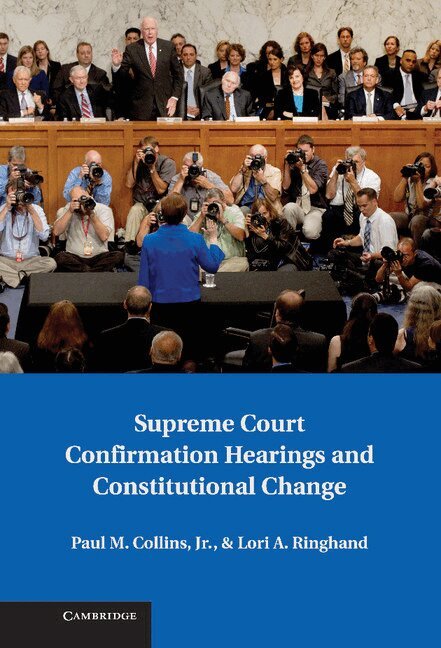
Supreme Court Confirmation Hearings and Constitutional Change
Av Paul M. Collins, Lori A. Ringhand
Inbunden, 2013
1648 kr
Lägg i varukorg
Before Supreme Court nominees are allowed to take their place on the High Court, they must face a moment of democratic reckoning by appearing before the Senate Judiciary Committee. Despite the potential this holds for public input into the direction of legal change, the hearings are routinely …
Supreme Court Confirmation Hearings and Constitutional Change
Av Paul M. Collins, Lori A. Ringhand
Häftad, 2015
523 kr
Lägg i varukorg
Before Supreme Court nominees are allowed to take their place on the High Court, they must face a moment of democratic reckoning by appearing before the Senate Judiciary Committee. Despite the potential this holds for public input into the direction of legal change, the hearings are routinely …
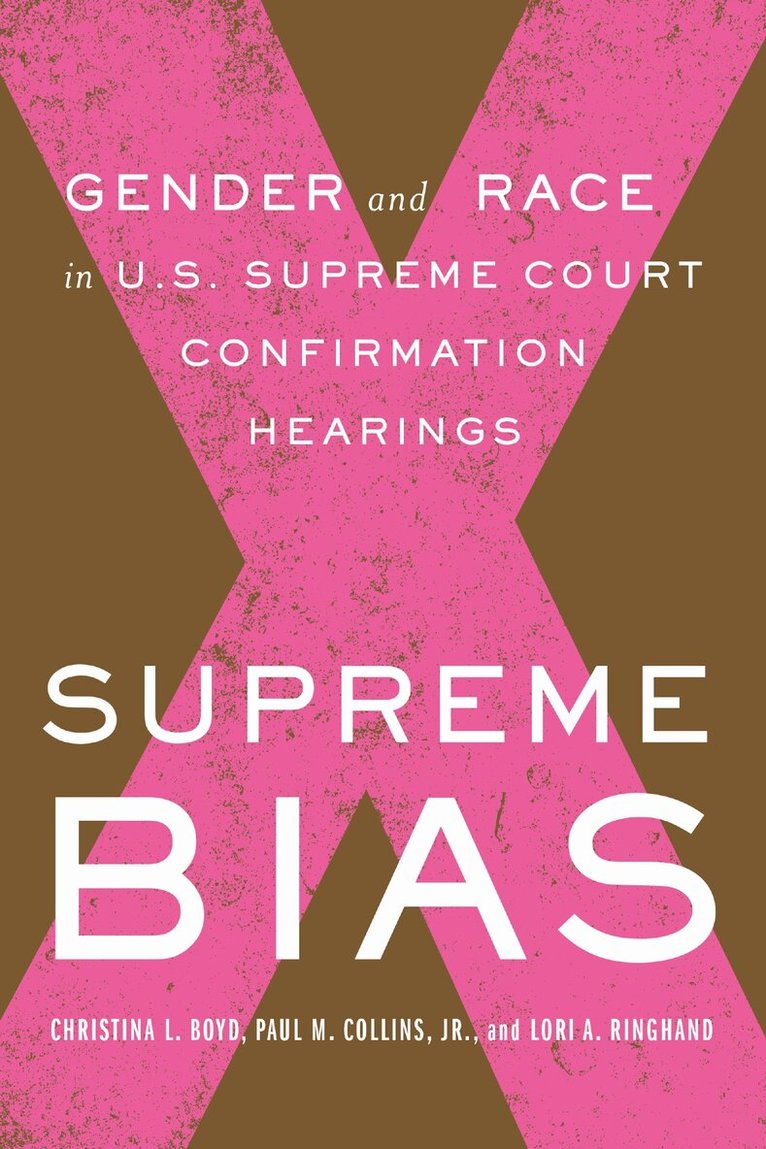
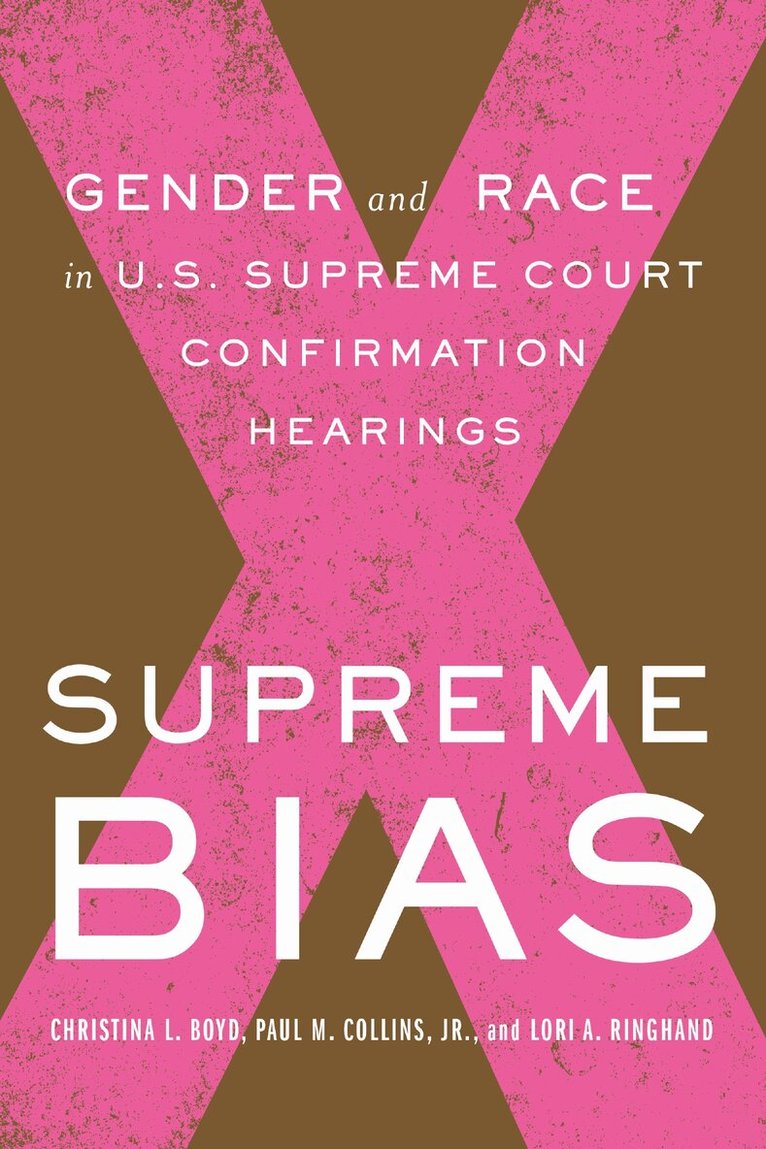
Supreme Bias
Gender and Race in U.S. Supreme Court Confirmation Hearings
Av Christina L. Boyd, Paul M. Collins m. fl.
Inbunden, 2023
1242 kr
Lägg i varukorg
In Supreme Bias, Christina L. Boyd, Paul M. Collins, Jr., and Lori A. Ringhand present for the first time a comprehensive analysis of the dynamics of race and gender at the Supreme Court confirmation hearings held before the Senate Judiciary Committee. Drawing on their deep knowledge of the …
Supreme Bias
Gender and Race in U.S. Supreme Court Confirmation Hearings
Av Christina L. Boyd, Paul M. Collins m. fl.
Häftad, 2023
302 kr
Lägg i varukorg
In Supreme Bias, Christina L. Boyd, Paul M. Collins, Jr., and Lori A. Ringhand present for the first time a comprehensive analysis of the dynamics of race and gender at the Supreme Court confirmation hearings held before the Senate Judiciary Committee. Drawing on their deep knowledge of the …
Supreme Bias
Gender and Race in U.S. Supreme Court Confirmation Hearings
Av Christina L. Boyd, Paul M. Collins m. fl.
E-bok, 2023
367 kr
Lägg i varukorg
In Supreme Bias, Christina L. Boyd, Paul M. Collins, Jr., and Lori A. Ringhand present for the first time a comprehensive analysis of the dynamics of race and gender at the Supreme Court confirmation hearings held before the Senate Judiciary Committee. Drawing on their deep knowledge of the …