Lori Hope Lefkovitz – författare
Visar alla böcker från författaren Lori Hope Lefkovitz. Handla med fri frakt och snabb leverans.
5 produkter
5 produkter
1 211 kr
Skickas inom 5-8 vardagar
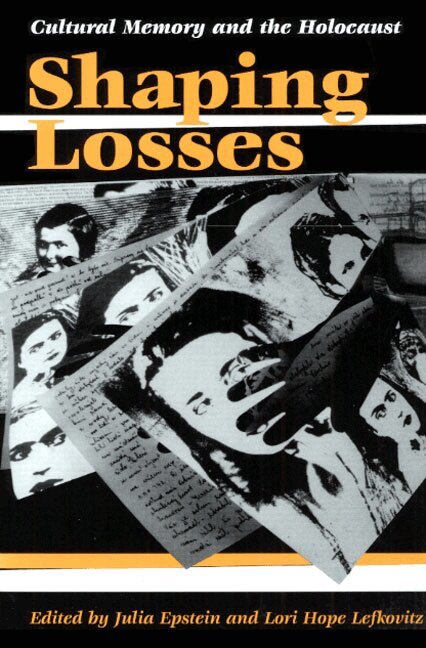
Shaping Losses explores how traumatic loss affects identity and how those who are shaped by loss give shape, in turn, to the empty place where something--relationships, family, culture--was and is no longer. Taking the example of the decimation of European Jewry during the Nazi era, Shaping Losses confronts the problem of transforming trauma into cultural memory. This eloquent volume examines how memoirs, films, photographs, art, and literature, as well as family conversations and personal remembrances, embody the impulse to preserve what is destroyed. The contributors -- all distinguished women scholars, most of them survivors or daughters of survivors--examine classic memorializations such as Claude Lanzmann's film Shoah and Roman Vishniac's photographs of prewar Jews as well as several less-well-known works. They also address ways in which children of survivors of the Holocaust--and of other catastrophic traumas--struggle with inherited or vicarious memory, striving to come to terms with losses that centrally define them although they experience them only indirectly. Shaping Losses considers the limitations of Holocaust representations and testimonies that capture shards of the experience but are necessarily selective and reductive. Contributors discuss artistic efforts to "preserve the rawness" of memory, to resist redemptive closure in Holocaust narratives and public memorials, and to prevent the Holocaust from being sealed in "the cold storage of history." The authors probe the nature of memory and of trauma, studying the use of language within and outside a traumatic context such as Auschwitz and pinpointing the qualities that make traumatic memory ineffable, untransmittable, and perhaps unreliable. Within the "haunted terrain of traumatized memory" that all Holocaust testimonies inhabit, the impulse to give form to emptiness--to shape loss--emerges as a necessary betrayal, a vital effort to bridge the gap between history and memory.
335 kr
Skickas inom 5-8 vardagar
Shaping Losses explores how traumatic loss affects identity and how those who are shaped by loss give shape, in turn, to the empty place where something--relationships, family, culture--was and is no longer. Taking the example of the decimation of European Jewry during the Nazi era, Shaping Losses confronts the problem of transforming trauma into cultural memory. This eloquent volume examines how memoirs, films, photographs, art, and literature, as well as family conversations and personal remembrances, embody the impulse to preserve what is destroyed. The contributors -- all distinguished women scholars, most of them survivors or daughters of survivors--examine classic memorializations such as Claude Lanzmann's film Shoah and Roman Vishniac's photographs of prewar Jews as well as several less-well-known works. They also address ways in which children of survivors of the Holocaust--and of other catastrophic traumas--struggle with inherited or vicarious memory, striving to come to terms with losses that centrally define them although they experience them only indirectly. Shaping Losses considers the limitations of Holocaust representations and testimonies that capture shards of the experience but are necessarily selective and reductive. Contributors discuss artistic efforts to "preserve the rawness" of memory, to resist redemptive closure in Holocaust narratives and public memorials, and to prevent the Holocaust from being sealed in "the cold storage of history." The authors probe the nature of memory and of trauma, studying the use of language within and outside a traumatic context such as Auschwitz and pinpointing the qualities that make traumatic memory ineffable, untransmittable, and perhaps unreliable. Within the "haunted terrain of traumatized memory" that all Holocaust testimonies inhabit, the impulse to give form to emptiness--to shape loss--emerges as a necessary betrayal, a vital effort to bridge the gap between history and memory.
1 021 kr
Skickas inom 10-15 vardagar
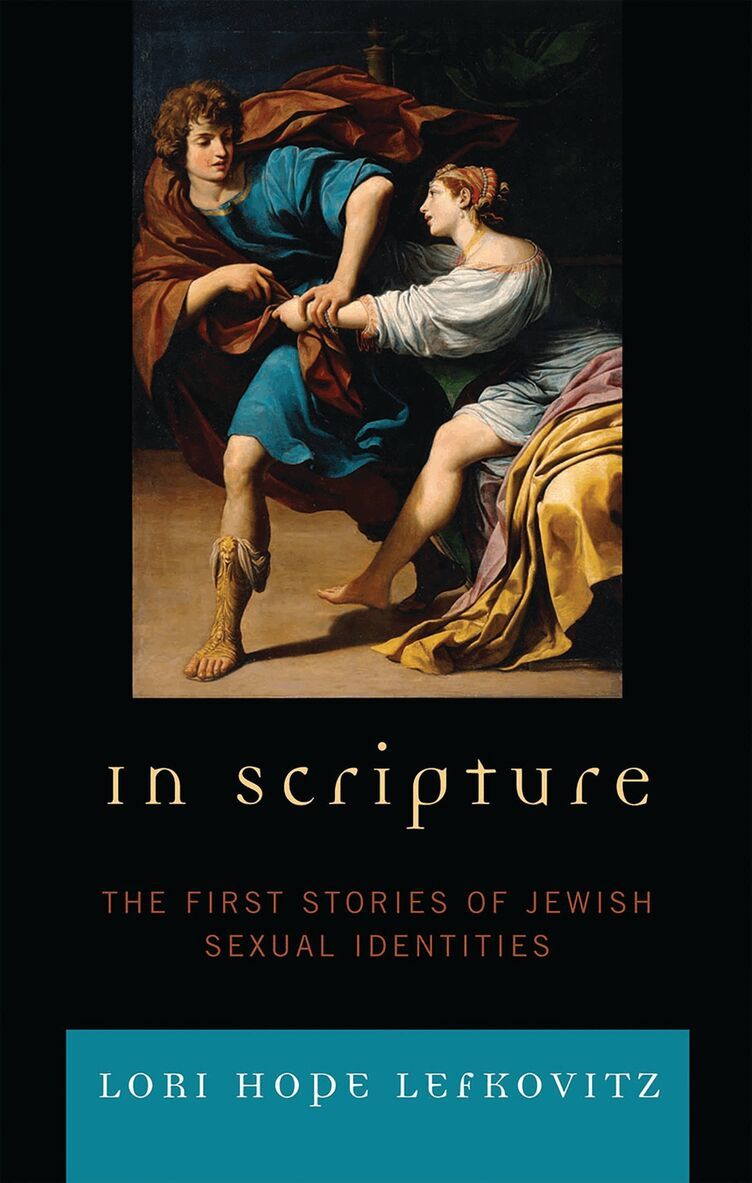
Applying psychoanalytic and gender theory to selected Biblical narratives from Genesis to the Book of Ruth, Lefkovitz interprets the Bible’s stories as foundation texts in the development of sexual identities. In Scripture is an exploration of the Biblical origins of a series of unstable ideas about the sexes, human sexuality, family roles, and Jewish sexual identities, in particular, and by extension, changing attitudes towards Jewish men and women.
439 kr
Skickas inom 10-15 vardagar
Applying psychoanalytic and gender theory to selected Biblical narratives from Genesis to the Book of Ruth, Lefkovitz interprets the Bible’s stories as foundation texts in the development of sexual identities. In Scripture is an exploration of the Biblical origins of a series of unstable ideas about the sexes, human sexuality, family roles, and Jewish sexual identities, in particular, and by extension, changing attitudes towards Jewish men and women.
437 kr
Tillfälligt slut
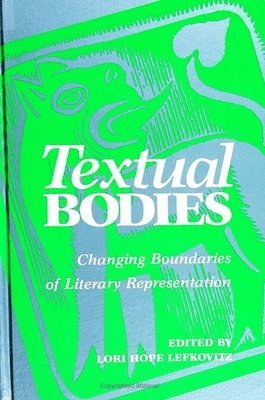
Illustrates changing definitions of bodily limits, integrity, transgression, sexuality, and violation in the history of the Western canon.In lively and accessible essays of literary criticism, this book approaches literature from classical times through the present with an emphasis on the place and treatment of the human body in the Western textual tradition. The work serves the double purpose of providing new, original, and provocative readings of familiar texts by applying the latest innovations in theory to specific works. Topics range from Sappho's fragments through cross-dressing in medieval romance to mutilation in Kathy Acker's Great Expectations. Together the essays illustrate changing definitions of bodily limits, integrity, transgression, sexuality, and violation in the history of the Western canon.