Lorie Hammond - Böcker
Visar alla böcker från författaren Lorie Hammond. Handla med fri frakt och snabb leverans.
3 produkter
3 produkter
1 318 kr
Skickas inom 7-10 vardagar
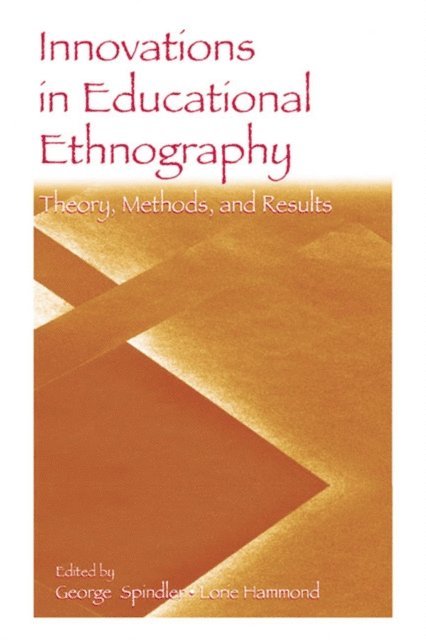
This volume focuses on and exemplifies how ethnography--a research tool devoted to looking at human interaction as a cultural process rather than individual psychology--can shed light on educational processes framed by the complex, internationalized societies in which we live today. Part I offers theoretical chapters about ethnography and examples of innovative ethnography from particular perspectives. In Part II, the emphasis is on the application of ethnographic approaches to educational settings.Each contribution not only takes the reader on a thoughtful and enlightening journey, but raises issues that are important to both educators and ethnographers, including the relationship of researcher to subject, the meaning of "participant" in participant observation, and ways to give voice to disenfranchised players, and on the complex ways in which all parties experience identities such as "race" in the modern world.Innovations in Educational Ethnography: Theory, Methods, and Results is a product of both continuity and change. It presents current writings from mentors in the field of ethnography and education, as well of the work of their students, and of educators engaged in cultural studies of their work. In many ways it provides fresh, new vistas on the old questions that have always guided ethnographic research, and can be used as a survey both of what ethnography has been and what it is becoming.This book is the work of many hands, and provides excellent examples of trends in both basic and applied ethnography of education. These two kinds of work augment and reinforce each other, and also represent important current research directions--in-depth reflection on the process of ethnography itself, and an application of its insights to teaching and learning in schools, universities, and communities. No one philosophy guides the contributions to this volume, nor were they chosen as exemplary of a particular approach, yet foundational understandings and principles of ethnography shine through the work, in both predictable and unexpected ways.
481 kr
Skickas inom 10-15 vardagar
This volume focuses on and exemplifies how ethnography--a research tool devoted to looking at human interaction as a cultural process rather than individual psychology--can shed light on educational processes framed by the complex, internationalized societies in which we live today. Part I offers theoretical chapters about ethnography and examples of innovative ethnography from particular perspectives. In Part II, the emphasis is on the application of ethnographic approaches to educational settings.Each contribution not only takes the reader on a thoughtful and enlightening journey, but raises issues that are important to both educators and ethnographers, including the relationship of researcher to subject, the meaning of "participant" in participant observation, and ways to give voice to disenfranchised players, and on the complex ways in which all parties experience identities such as "race" in the modern world.Innovations in Educational Ethnography: Theory, Methods, and Results is a product of both continuity and change. It presents current writings from mentors in the field of ethnography and education, as well of the work of their students, and of educators engaged in cultural studies of their work. In many ways it provides fresh, new vistas on the old questions that have always guided ethnographic research, and can be used as a survey both of what ethnography has been and what it is becoming.This book is the work of many hands, and provides excellent examples of trends in both basic and applied ethnography of education. These two kinds of work augment and reinforce each other, and also represent important current research directions--in-depth reflection on the process of ethnography itself, and an application of its insights to teaching and learning in schools, universities, and communities. No one philosophy guides the contributions to this volume, nor were they chosen as exemplary of a particular approach, yet foundational understandings and principles of ethnography shine through the work, in both predictable and unexpected ways.
474 kr
Skickas inom 10-15 vardagar
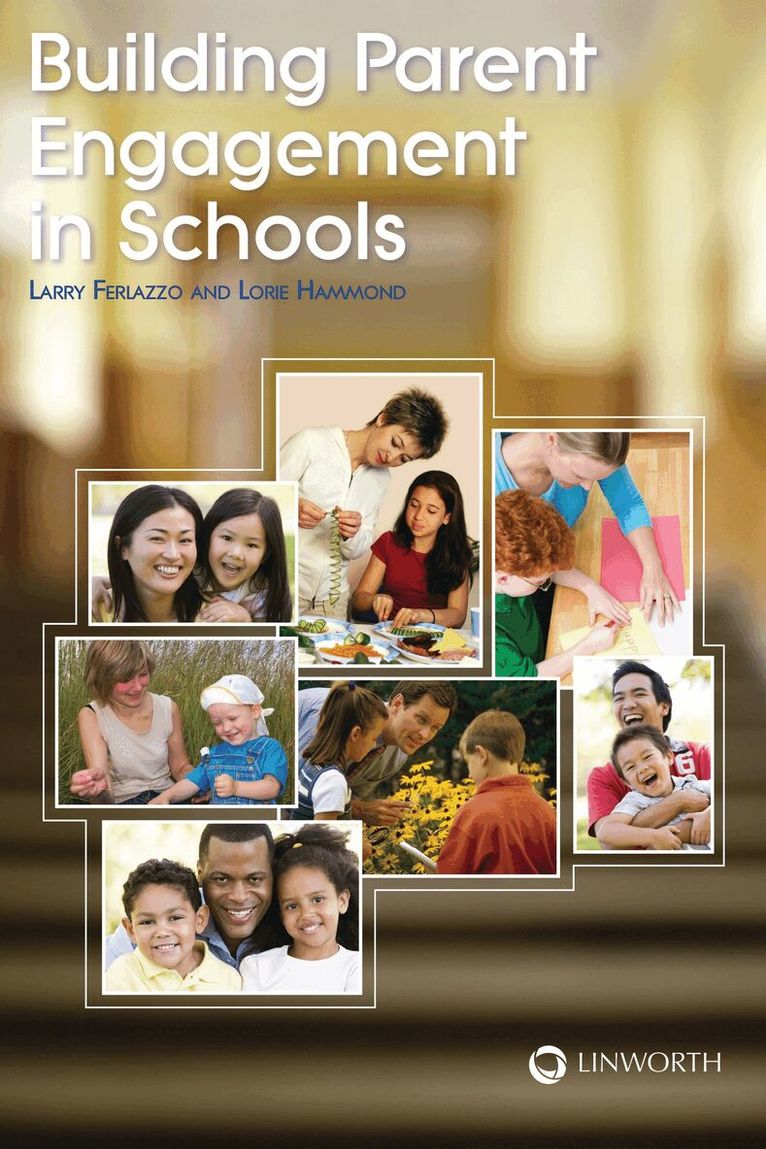
This work is a report on the positive impact of parental involvement on their child's academics and on the school at large.Building Parent Engagement in Schools is an introduction to educators, particularly in lower-income and urban schools, who want to promote increased parental engagement in both the classroom and at home—an effort required by provisions of the No Child Left Behind Act of 2001. It is both an authoritative review of research that confirms the positive impact of parental involvement on student achievement and a guide for implementing proven strategies for increasing that involvement. With Building Parent Engagement in Schools, educators can start to develop a hybrid culture between home and school, so that school can serve as a cultural bridge for the students. Filled with the voices of real educators, students, and parents, the book documents a number of parent-involved efforts to improve low-income communities, gain greater resources for schools, and improve academic achievement. Coverage includes details of real initiatives in action, including programs for home visits, innovative uses of technology, joint enterprises like school/community gardens, and community organization efforts.