Louis Pelletier – författare
Visar alla böcker från författaren Louis Pelletier. Handla med fri frakt och snabb leverans.
8 produkter
Beyond the Screen
Institutions, Networks, and Publics of Early Cinema
Av Marta Braun, Charles Keil m. fl.
Häftad, 2012
410 kr
Lägg i varukorg
The visionaries of early motion pictures thought that movies could do more than just entertain. They imagined the medium had the potential to educate and motivate the audience. In national and local contexts from Europe, North America, and around the world, early filmmakers entered the domains of …
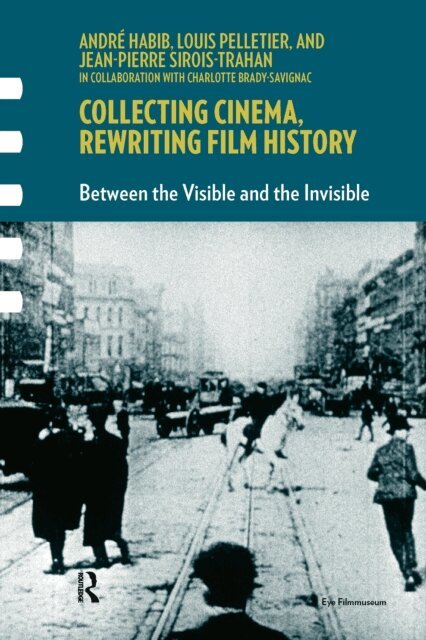
Collecting Cinema, Rewriting Film History
Between the Visible and the Invisible
Av Jean-Pierre Sirois-Trahan, Louis Pelletier m. fl.
E-bok, 2025
856 kr
Lägg i varukorg
The writing of cinema history would not be possible without the contribution of collectors. Whether through their pioneering excavation work or their passionate defence of forgotten productions and artifacts, collectors have had a lasting influence on both the field and the methods of moving image …
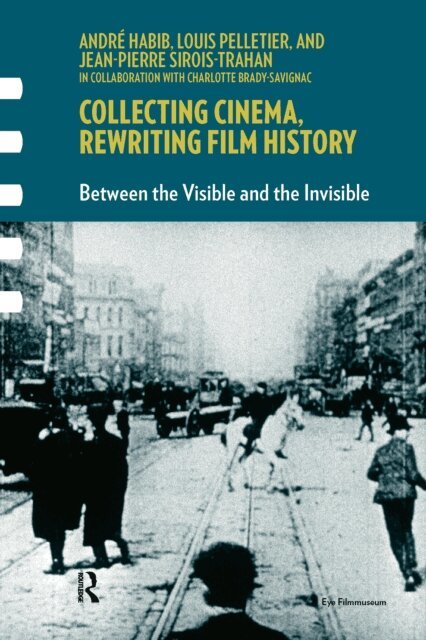
Collecting Cinema, Rewriting Film History
Between the Visible and the Invisible
Av Jean-Pierre Sirois-Trahan, Louis Pelletier m. fl.
E-bok, 2025
838 kr
Lägg i varukorg
The writing of cinema history would not be possible without the contribution of collectors. Whether through their pioneering excavation work or their passionate defence of forgotten productions and artifacts, collectors have had a lasting influence on both the field and the methods of moving image …
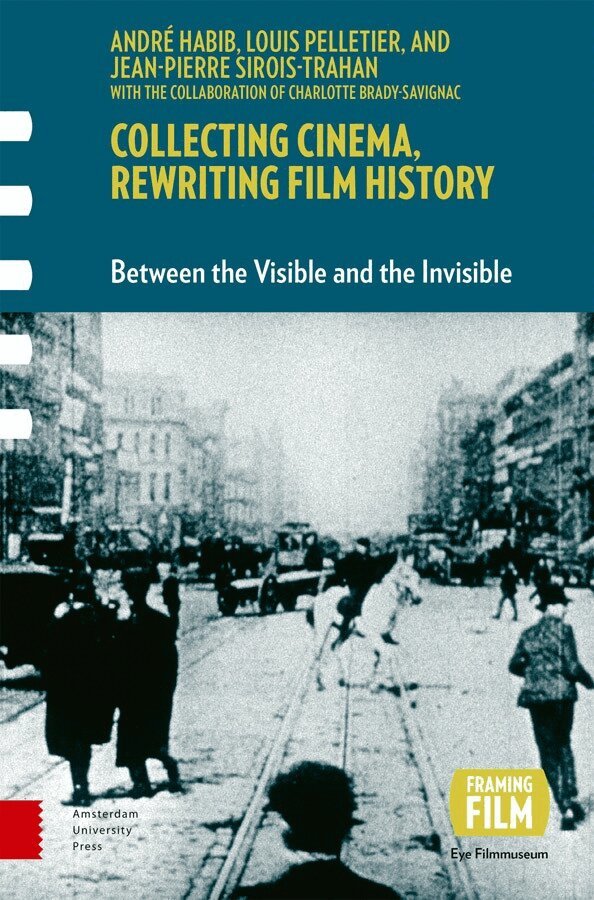
Collecting Cinema, Rewriting Film History
Between the Visible and the Invisible
Av André Habib, Louis Pelletier m. fl.
Häftad, 2026
728 kr
Lägg i varukorg
The writing of cinema history would not be possible without the contribution of collectors. Whether through their pioneering excavation work or their passionate defence of forgotten productions and artifacts, collectors have had a lasting influence on both the field and the methods of moving image …
Crafts, Trades, and Techniques of Early Cinema
Av Ian Christie, Priska Morrissey m. fl.
Häftad, 2024
458 kr
Lägg i varukorg
These proceedings of the 16th conference of the international society for the study of early cinema Domitor includes 26 studies and numerous rarely seen figures dealing with the often overlooked history of the crafts, trades and techniques of early cinema. By examining material culture and the …
Considérations Historiques Et Histologiques Sur l'Ichthyose En Général
Häftad, 2022
162 kr
Lägg i varukorg
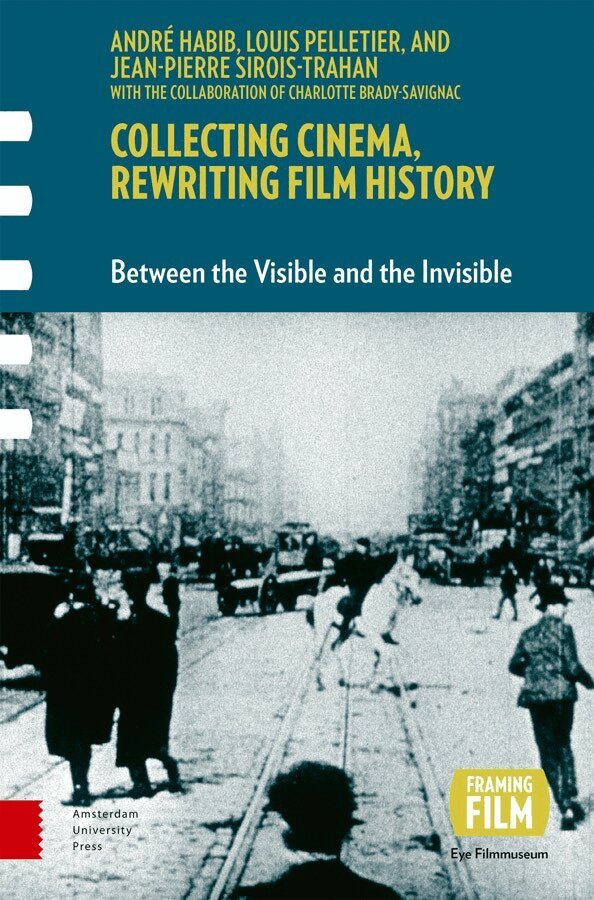
Collecting Cinema, Rewriting Film History
Between the Visible and the Invisible
Av André Habib, Louis Pelletier m. fl.
Inbunden, 2025
2521 kr
Lägg i varukorg
Proceeding from a renewed dialogue between international film scholars, collectors, filmmakers, curators, and archivists, this book aims to reveal the extent to which collectors and collections have contributed to both the history and the epistemology of moving images.