Louise Ravelli – författare
Visar alla böcker från författaren Louise Ravelli. Handla med fri frakt och snabb leverans.
10 produkter
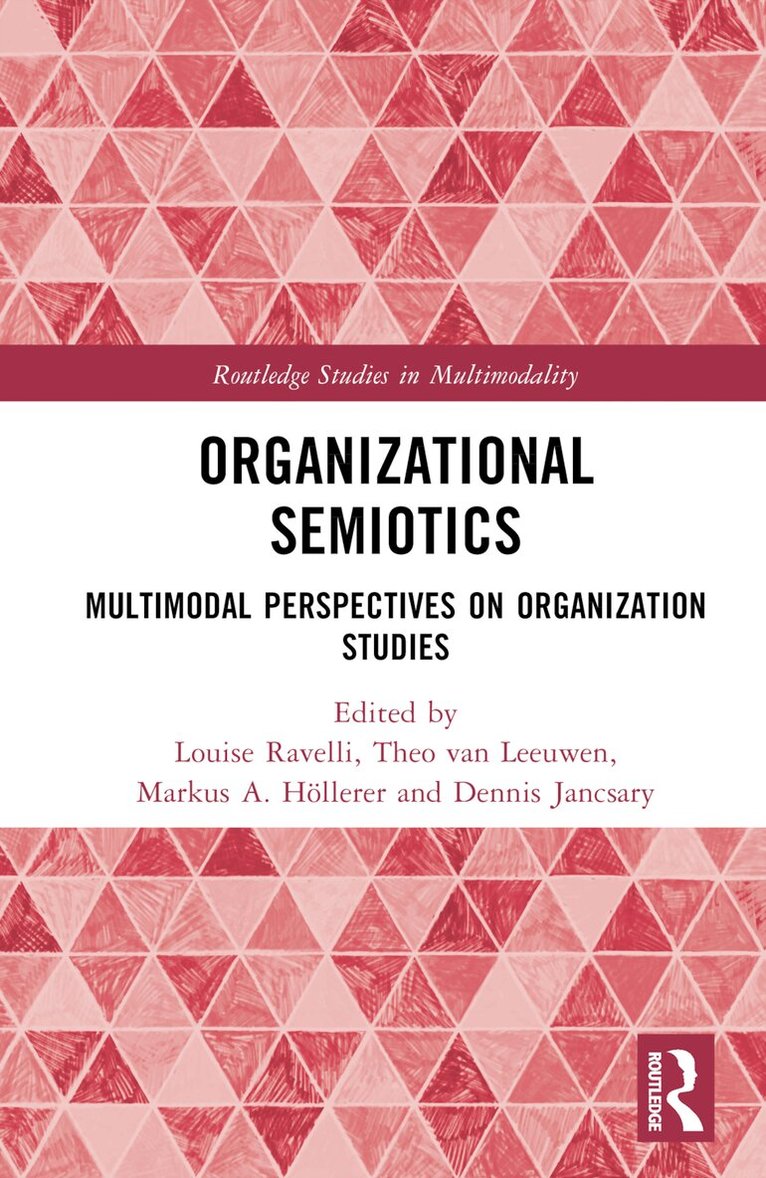
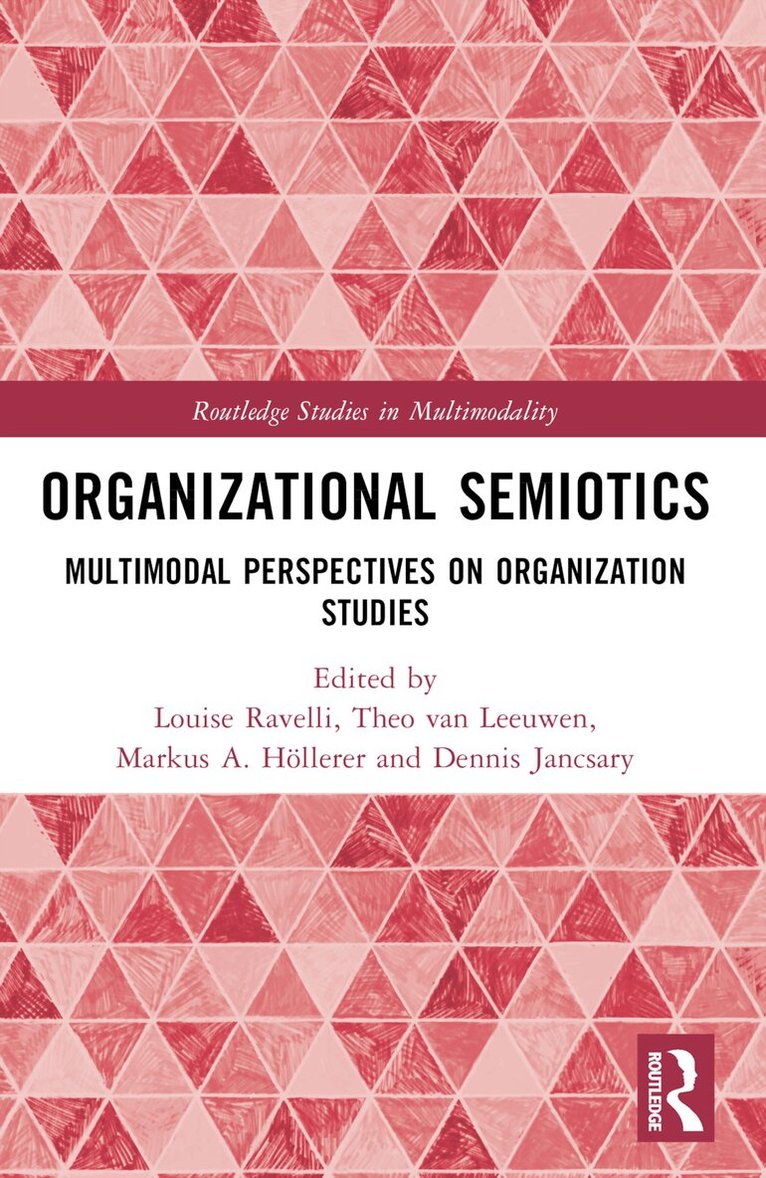
Organizational Semiotics
Multimodal Perspectives on Organization Studies
Av Louise Ravelli, Theo van Leeuwen m. fl.
Inbunden, 2023
2515 kr
Lägg i varukorg
This edited volume brings together two largely separate fields – organization studies and multimodal social semiotics – to develop an integrated research agenda for the novel interdisciplinary field of ‘organizational semiotics’. Organizations, whether for profit, non-profit, or governmental, …
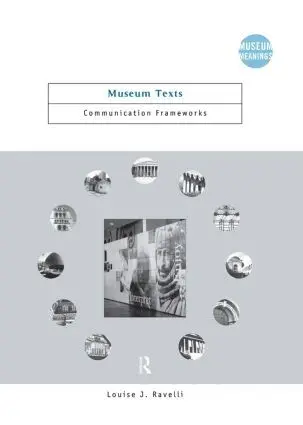
Museum Texts
Comunication Frameworks
Inbunden, 2005
2590 kr
Lägg i varukorg
Answering key questions in the study of how museums communicate, Louise Ravelli provides a set of frameworks to investigate the complexities of communication in museums:* What is an appropriate level of complexity for a written label?* Why do some choice in language make a more direct relation to …
Museum Texts
Comunication Frameworks
Häftad, 2005
668 kr
Lägg i varukorg
Answering key questions in the study of how museums communicate, Louise Ravelli provides a set of frameworks to investigate the complexities of communication in museums:* What is an appropriate level of complexity for a written label?* Why do some choice in language make a more direct relation to …
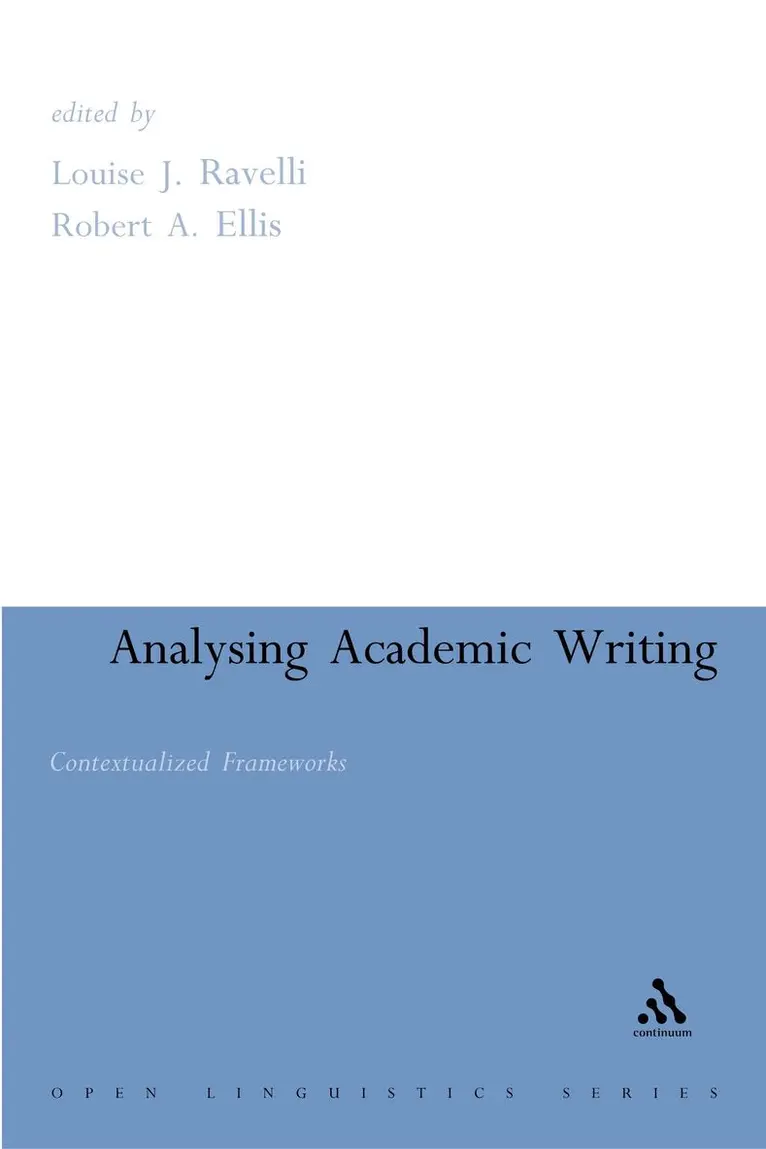
Analysing Academic Writing
Av Louise Ravelli, Robert Ellis
Inbunden, 2004
2630 kr
Lägg i varukorg
The balance struck in this volume between discussion of theory and reports on and suggestions for practice make it an invaluable collection for all those engaged in researching and teaching academic writing. Most of the contributions present work influenced by systemic functional linguistics, but …
Analysing Academic Writing
Contextualized Frameworks
Av Louise Ravelli, Robert Ellis
Häftad, 2005
1244 kr
Lägg i varukorg
'The balance struck in this volume between discussion of theory and reports on and suggestions for practice make it an invaluable collection for all those engaged in researching and teaching academic writing. Most of the contributions present work influenced by systemic functional linguistics, but …
Organizational Semiotics
Multimodal Perspectives on Organization Studies
Av Dennis Jancsary, Markus A. Hollerer m. fl.
E-bok, 2023
785 kr
Lägg i varukorg
This edited volume brings together two largely separate fields – organization studies and multimodal social semiotics – to develop an integrated research agenda for the novel interdisciplinary field of ‘organizational semiotics’. Organizations, whether for profit, non-profit, or governmental, …
Organizational Semiotics
Multimodal Perspectives on Organization Studies
Av Dennis Jancsary, Markus A. Hollerer m. fl.
E-bok, 2023
768 kr
Lägg i varukorg
This edited volume brings together two largely separate fields – organization studies and multimodal social semiotics – to develop an integrated research agenda for the novel interdisciplinary field of ‘organizational semiotics’. Organizations, whether for profit, non-profit, or governmental, …
Organizational Semiotics
Multimodal Perspectives on Organization Studies
Av Louise Ravelli, Theo van Leeuwen m. fl.
Häftad, 2024
649 kr
Lägg i varukorg
This edited volume brings together two largely separate fields – organization studies and multimodal social semiotics – to develop an integrated research agenda for the novel interdisciplinary field of ‘organizational semiotics’. Organizations, whether for profit, non-profit, or governmental, …
Museum Texts
Comunication Frameworks
E-bok, 2007
751 kr
Lägg i varukorg
Answering key questions in the study of how museums communicate, Louise Ravelli provides a set of frameworks to investigate the complexities of communication in museums: * What is an appropriate level of complexity for a written label? * Why do some choice in language make a more direct relation to …
Museum Texts
Comunication Frameworks
E-bok, 2007
785 kr
Lägg i varukorg
Answering key questions in the study of how museums communicate, Louise Ravelli provides a set of frameworks to investigate the complexities of communication in museums: * What is an appropriate level of complexity for a written label? * Why do some choice in language make a more direct relation to …