Louise Steel - Böcker
Visar alla böcker från författaren Louise Steel. Handla med fri frakt och snabb leverans.
7 produkter
7 produkter
Exploring the Materiality of Food 'Stuffs'
Transformations, Symbolic Consumption and Embodiments
Häftad, Engelska, 2019
674 kr
Skickas inom 10-15 vardagar
From remote antiquity to contemporary contexts, food and the ‘stuff’ of food remains central to people’s daily experiences as well as their sense and expression of identity. This volume explores the materiality of foodstuffs past and present, examining humanity’s intriguingly complex relationships with, and experiences of, food. The book also makes a fresh contribution to our understanding of materiality through a novel focus on material culture, analysing objects used to prepare, wrap, serve and consume food and the tactile experiences involved in its production and consumption. Considering a wide range of cultures, spanning from ancient China to modern-day Kenya, this broad collection of interdisciplinary chapters reveal the multiple interplays between foods, bodies, material worlds, rituals and embodied knowledge that emerge from these encounters and which, in turn, shape the material culture of food. Exploring the Materiality of Food 'Stuffs' makes an important contribution to this burgeoning field and will be of interest to archaeologists and anthropologists working in the key area of food research.
2 232 kr
Skickas inom 10-15 vardagar
The importance of cultural contacts in the East Mediterranean has long been recognized and is the focus of ongoing international research. Fieldwork in the Aegean, Egypt, Cyprus, and the Levant continues to add to our understanding of the nature of this contact and its social and economic significance, particularly to the cultures of the Aegean. Despite sophisticated discussion of the archaeological evidence, in particular on the part of Aegean and Mediterranean archaeologists, there has been little systematic attempt to incorporate anthropological perspectives on materiality and exchange into archaeological narratives of this material. This book addresses that gap and integrates anthropological discourse on contact, examining exchange systems, the gift, notions of geographical distance and power, colonization, and hybridization. Furthermore, it develops a social narrative of culture contact in the Mediterranean context, illustrating the reasons communities chose to engage in international exchange, and how this impacted the construction of identities throughout the region. While traditional archaeologies in the East Mediterranean have tended to be reductive in their approach to material culture and how it was produced, used, and exchanged, this book reviews current research on material culture, focusing on issues such as the biography of objects, inalienable possessions, and hybridization – exploring how these issues can further illuminate the material world of the communities of the Bronze Age Mediterranean.
786 kr
Skickas inom 10-15 vardagar
The importance of cultural contacts in the East Mediterranean has long been recognized and is the focus of ongoing international research. Fieldwork in the Aegean, Egypt, Cyprus, and the Levant continues to add to our understanding of the nature of this contact and its social and economic significance, particularly to the cultures of the Aegean. Despite sophisticated discussion of the archaeological evidence, in particular on the part of Aegean and Mediterranean archaeologists, there has been little systematic attempt to incorporate anthropological perspectives on materiality and exchange into archaeological narratives of this material. This book addresses that gap and integrates anthropological discourse on contact, examining exchange systems, the gift, notions of geographical distance and power, colonization, and hybridization. Furthermore, it develops a social narrative of culture contact in the Mediterranean context, illustrating the reasons communities chose to engage in international exchange, and how this impacted the construction of identities throughout the region. While traditional archaeologies in the East Mediterranean have tended to be reductive in their approach to material culture and how it was produced, used, and exchanged, this book reviews current research on material culture, focusing on issues such as the biography of objects, inalienable possessions, and hybridization – exploring how these issues can further illuminate the material world of the communities of the Bronze Age Mediterranean.
Exploring the Materiality of Food 'Stuffs'
Transformations, Symbolic Consumption and Embodiments
Inbunden, Engelska, 2016
2 301 kr
Skickas inom 10-15 vardagar
From remote antiquity to contemporary contexts, food and the ‘stuff’ of food remains central to people’s daily experiences as well as their sense and expression of identity. This volume explores the materiality of foodstuffs past and present, examining humanity’s intriguingly complex relationships with, and experiences of, food. The book also makes a fresh contribution to our understanding of materiality through a novel focus on material culture, analysing objects used to prepare, wrap, serve and consume food and the tactile experiences involved in its production and consumption. Considering a wide range of cultures, spanning from ancient China to modern-day Kenya, this broad collection of interdisciplinary chapters reveal the multiple interplays between foods, bodies, material worlds, rituals and embodied knowledge that emerge from these encounters and which, in turn, shape the material culture of food. Exploring the Materiality of Food 'Stuffs' makes an important contribution to this burgeoning field and will be of interest to archaeologists and anthropologists working in the key area of food research.
549 kr
Skickas inom 5-8 vardagar
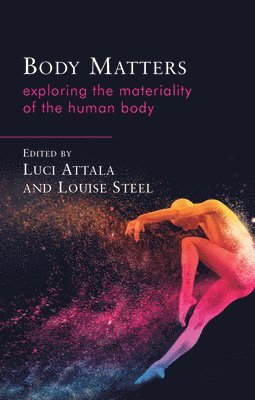
Body Matters approaches the material world directly; it seeks to remind people that they are the matter of their bodies. This volume offers an assortment of contributions from anthropology, archaeology and medieval studies, with case studies from northern Europe, the Near East, East Africa and Amazonia, which variously draw attention to the multiple shifting materials that comprise, impact upon and co-create human bodies. This lively collection foregrounds myriad material influences interacting with and shaping the human body; the chapters come together to illustrate the fundamental fleshy, bony, suppurating, leaky and oozing physicality of being human. Ultimately, by reminding readers of their indisputable materiality, Body Matters seeks to draw people and the rest of the material world together to illustrate that bodies not only seep into (and are part of) the landscape, but equally that people and the material world are inextricably co-constitutive.
789 kr
Skickas inom 5-8 vardagar
Plants Matter explores how plants and people live together. This is not only a book about the importance of plants and how people use them, but it argues also that knowing the world is achieved-with plants. In addition to populating the landscape, plants alter human physiology in multiple material ways, through gatherings or through sensorial conversations using the chemistry of taste, perfume, colour, sound and textures. The chapters gathered in this volume offer a range of interdisciplinary perspectives that use ethnographic and ethnobotanical information to explore how the behaviours and capacities of certain plants around the world have enticed, excited and even seduced people to pay attention.
1 084 kr
Skickas inom 5-8 vardagar
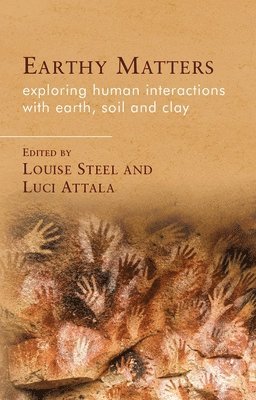
Earthy Matters is a lively collection of theoretically informed chapters that introduce the reader to the notion that matter is a creative agent, and that it plays a key role in the formation of our material and social worlds. The focus of the book is sediments, soils, clay and earth ‒ materials that surround us and have shaped people’s interactions with the environment since even before the first farmers settled in the Near East tilling the earth, building houses from mud and plaster, and making vessels and figurines from clay. This collection questions orthodox understandings that these substances are inert and an infinite resource for humanity, rather to foreground earthy substances in their relationships with humans, and to show how these materials have co-created our social and material worlds. It is a novel and timely reminder for the reader that our lives have always been embedded within the matter of the E(e)arth.