Louise Westling – författare
Visar alla böcker från författaren Louise Westling. Handla med fri frakt och snabb leverans.
16 produkter
Deep History, Climate Change, and the Evolution of Human Culture
Häftad, 2022
308 kr
Lägg i varukorg
This Element follows the development of humans in constantly changing climates and environments from Homo erectus 1.9 million years ago, to fully modern humans who moved out of Africa to Europe and Asia 70,000 years ago. Biosemiotics reveals meaningful communication among coevolving members of the …
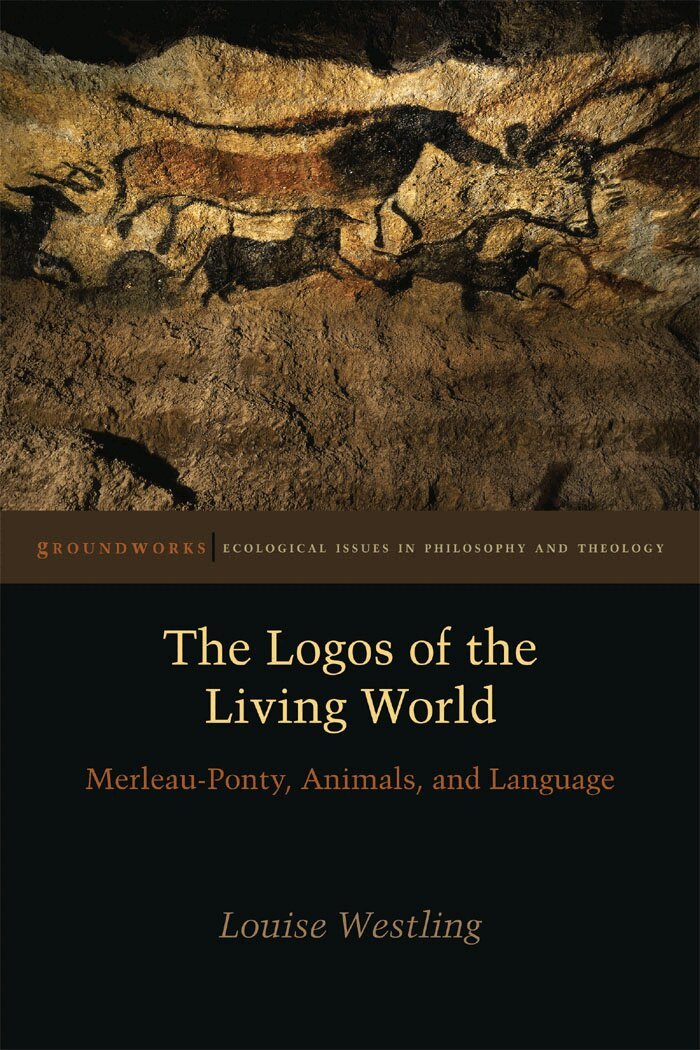
Logos of the Living World
Merleau-Ponty, Animals, and Language
Häftad, 2013
387 kr
Lägg i varukorg
Today we urgently need to reevaluate the human place in the world in relation to other animals. This book puts Maurice Merleau-Ponty's philosophy into dialogue with literature, evolutionary biology, and animal studies. In a radical departure from most critical animal studies, it argues for …
Deep History, Climate Change, and the Evolution of Human Culture
E-bok, 2022
287 kr
Lägg i varukorg
This Element follows the development of humans in constantly changing climates and environments from Homo erectus 1.9 million years ago, to fully modern humans who moved out of Africa to Europe and Asia 70,000 years ago. Biosemiotics reveals meaningful communication among coevolving members of the …
Deep History, Climate Change, and the Evolution of Human Culture
E-bok, 2022
294 kr
Lägg i varukorg
This Element follows the development of humans in constantly changing climates and environments from Homo erectus 1.9 million years ago, to fully modern humans who moved out of Africa to Europe and Asia 70,000 years ago. Biosemiotics reveals meaningful communication among coevolving members of the …
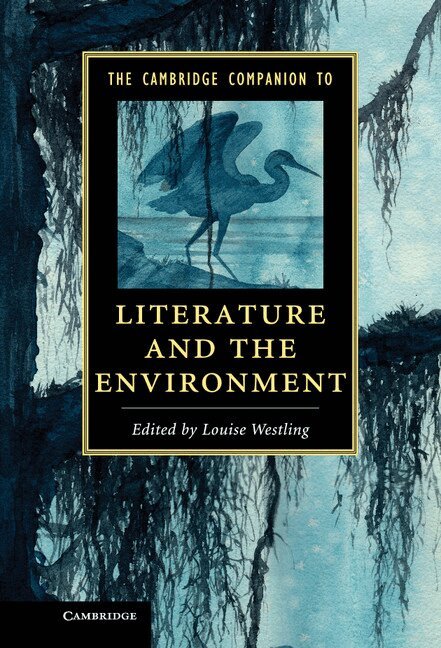
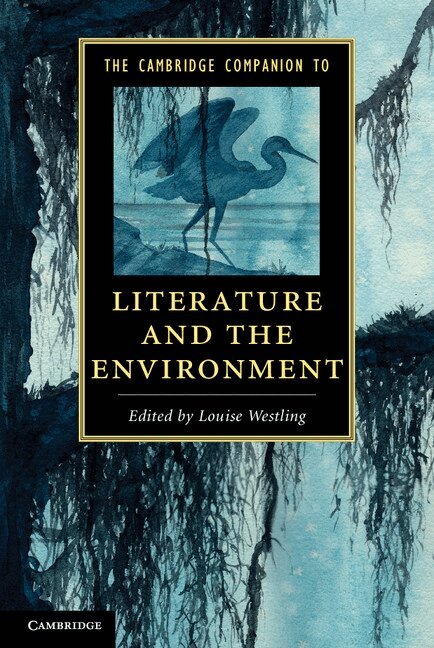
The Cambridge Companion to Literature and the Environment
Inbunden, 2013
1575 kr
Lägg i varukorg
The Cambridge Companion to Literature and the Environment is an authoritative guide to the exciting new interdisciplinary field of environmental literary criticism. The collection traces the development of ecocriticism from its origins in European pastoral literature and offers fifteen rigorous but …
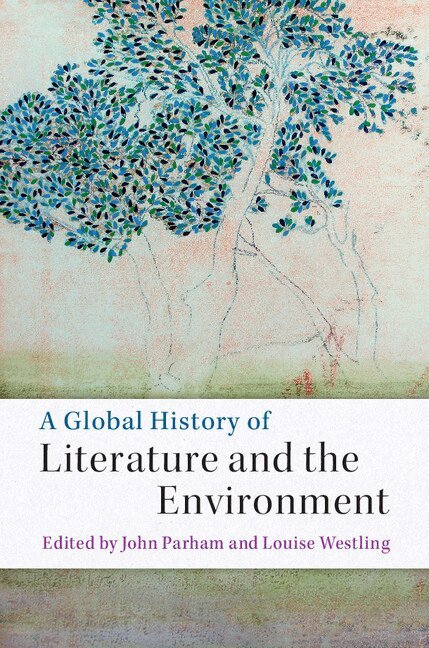
A Global History of Literature and the Environment
Av John Parham, Louise Westling
Inbunden, 2016
1757 kr
Lägg i varukorg
In A Global History of Literature and the Environment, an international group of scholars illustrate the immense riches of environmental writing from the earliest literary periods down to the present. It addresses ancient writings about human/animal/plant relations from India, classical Greece, …
A Global History of Literature and the Environment
Av John Parham, Louise Westling
Häftad, 2026
617 kr
Lägg i varukorg
In A Global History of Literature and the Environment, an international group of scholars illustrate the immense riches of environmental writing from the earliest literary periods down to the present. It addresses ancient writings about human/animal/plant relations from India, classical Greece, …
Cambridge Companion to Literature and the Environment
E-bok, 2013
488 kr
Lägg i varukorg
The Cambridge Companion to Literature and the Environment is an authoritative guide to the exciting new interdisciplinary field of environmental literary criticism. The collection traces the development of ecocriticism from its origins in European pastoral literature and offers fifteen rigorous but …
The Cambridge Companion to Literature and the Environment
Häftad, 2013
504 kr
Lägg i varukorg
The Cambridge Companion to Literature and the Environment is an authoritative guide to the exciting new interdisciplinary field of environmental literary criticism. The collection traces the development of ecocriticism from its origins in European pastoral literature and offers fifteen rigorous but …
Cambridge Companion to Literature and the Environment
E-bok, 2013
488 kr
Lägg i varukorg
The Cambridge Companion to Literature and the Environment is an authoritative guide to the exciting new interdisciplinary field of environmental literary criticism. The collection traces the development of ecocriticism from its origins in European pastoral literature and offers fifteen rigorous but …
Global History of Literature and the Environment
Av Louise Westling, John Parham
E-bok, 2016
587 kr
Lägg i varukorg
In A Global History of Literature and the Environment, an international group of scholars illustrate the immense riches of environmental writing from the earliest literary periods down to the present. It addresses ancient writings about human/animal/plant relations from India, classical Greece, …
Global History of Literature and the Environment
Av Louise Westling, John Parham
E-bok, 2016
600 kr
Lägg i varukorg
In A Global History of Literature and the Environment, an international group of scholars illustrate the immense riches of environmental writing from the earliest literary periods down to the present. It addresses ancient writings about human/animal/plant relations from India, classical Greece, …
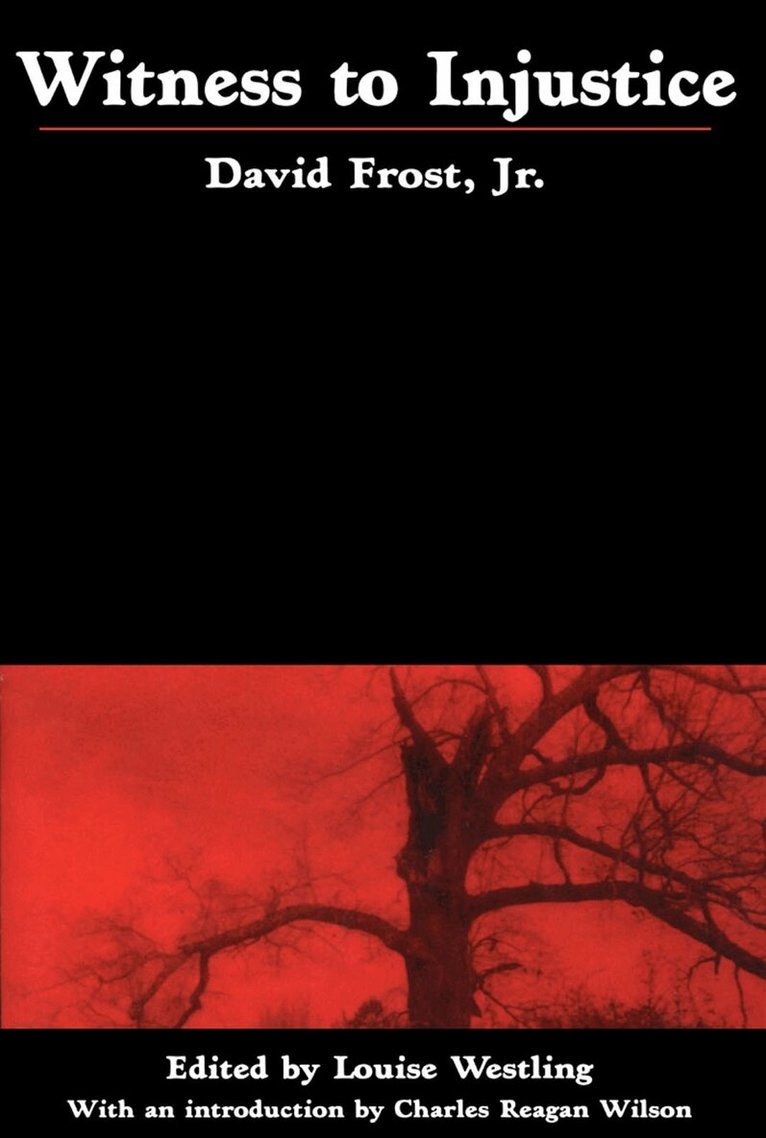
Witness to Injustice
Av David Frost, Louise Westling
Häftad, 2010
411 kr
Lägg i varukorg
There were two events in particular that had a lasting effect on the life of David Frost, Jr.: ""Watching my parents make moonshine in our back yard in a wash pot,"" he says, ""and listening to my parents tell the story of how the Peterson boy was lynched here in Eufaula. My parents would tell it …
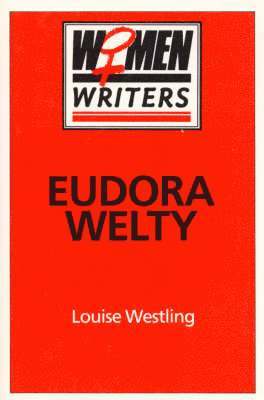
Eudora Welty
Inbunden, 1989
1396 kr
Tillfälligt slut
Eudora Welty is the liveliest critical introduction yet to the work of this Pulitzer Prize-winning writer, and the first feminist approach to the whole body of her work. Long respected as one of William Faulkner's heirs in the South, Welty is now coming into her own as a versatile prose stylist and …
Eudora Welty
Häftad, 1989
457 kr
Tillfälligt slut
Eudora Welty is the liveliest critical introduction yet to the work of this Pulitzer Prize-winning writer, and the first feminist approach to the whole body of her work. Long respected as one of William Faulkner's heirs in the South, Welty is now coming into her own as a versatile prose stylist and …
Logos of the Living World
Merleau-Ponty, Animals, and Language
Inbunden, 2013
1095 kr
Tillfälligt slut
Today we urgently need to reevaluate the human place in the world in relation to other animals. This book puts Maurice Merleau-Ponty's philosophy into dialogue with literature, evolutionary biology, and animal studies. In a radical departure from most critical animal studies, it argues for …