Luc Pauwels – författare
1 292 kr
Skickas inom 7-10 vardagar
474 kr
Skickas inom 7-10 vardagar
2 068 kr
Skickas inom 5-8 vardagar
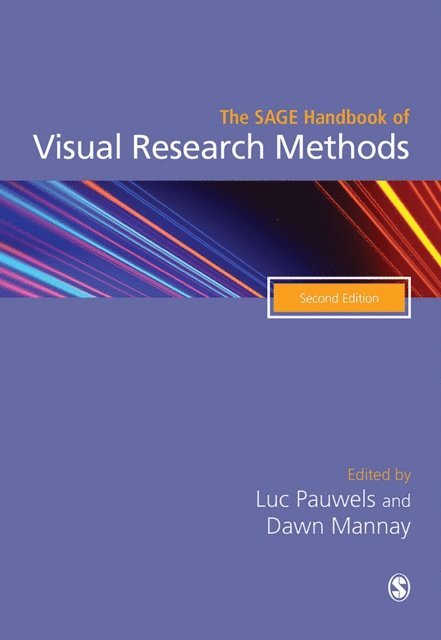
The second, thoroughly revised and expanded, edition of The SAGE Handbook of Visual Research Methods presents a wide-ranging exploration and overview of the field today. As in its first edition, the Handbook does not aim to present a consistent view or voice, but rather to exemplify diversity and contradictions in perspectives and techniques.
The selection of chapters from the first edition have been fully updated to reflect current developments. New chapters to the second edition cover key topics including picture-sorting techniques, creative methods using artefacts, visual framing analysis, therapeutic uses of images, and various emerging digital technologies and online practices. At the core of all contributions are theoretical and methodological debates about the meanings and study of the visual, presented in vibrant accounts of research design, analytical techniques, fieldwork encounters and data presentation.
This handbook presents a unique survey of the discipline that will be essential reading for scholars and students across the social and behavioural sciences, arts and humanities, and far beyond these disciplinary boundaries.
The Handbook is organized into seven main sections:
PART 1: FRAMING THE FIELD OF VISUAL RESEARCH PART 2: VISUAL AND SPATIAL DATA PRODUCTION METHODS AND TECHNOLOGIES PART 3: PARTICIPATORY AND SUBJECT-CENTERED APPROACHES PART 4: ANALYTICAL FRAMEWORKS AND PERSPECTIVES PART 5: MULTIMODAL AND MULTISENSORIAL RESEARCH PART 6: RESEARCHING ONLINE PRACTICES PART 7: COMMUNICATING THE VISUAL: FORMATS AND CONCERNS
1 336 kr
Läs direkt efter köp
The second, thoroughly revised and expanded, edition of The SAGE Handbook of Visual Research Methods presents a wide-ranging exploration and overview of the field today. As in its first edition, the Handbook does not aim to present a consistent view or voice, but rather to exemplify diversity and contradictions in perspectives and techniques.
The selection of chapters from the first edition have been fully updated to reflect current developments. New chapters to the second edition cover key topics including picture-sorting techniques, creative methods using artefacts, visual framing analysis, therapeutic uses of images, and various emerging digital technologies and online practices. At the core of all contributions are theoretical and methodological debates about the meanings and study of the visual, presented in vibrant accounts of research design, analytical techniques, fieldwork encounters and data presentation.
This handbook presents a unique survey of the discipline that will be essential reading for scholars and students across the social and behavioural sciences, arts and humanities, and far beyond these disciplinary boundaries.
The Handbook is organized into seven main sections:
PART 1: FRAMING THE FIELD OF VISUAL RESEARCH PART 2: VISUAL AND SPATIAL DATA PRODUCTION METHODS AND TECHNOLOGIES PART 3: PARTICIPATORY AND SUBJECT-CENTERED APPROACHES PART 4: ANALYTICAL FRAMEWORKS AND PERSPECTIVES PART 5: MULTIMODAL AND MULTISENSORIAL RESEARCH PART 6: RESEARCHING ONLINE PRACTICES PART 7: COMMUNICATING THE VISUAL: FORMATS AND CONCERNS
1 575 kr
Skickas
The second, thoroughly revised and expanded, edition of The SAGE Handbook of Visual Research Methods presents a wide-ranging exploration and overview of the field today. As in its first edition, the Handbook does not aim to present a consistent view or voice, but rather to exemplify diversity and contradictions in perspectives and techniques.
The selection of chapters from the first edition have been fully updated to reflect current developments. New chapters to the second edition cover key topics including picture-sorting techniques, creative methods using artefacts, visual framing analysis, therapeutic uses of images, and various emerging digital technologies and online practices. At the core of all contributions are theoretical and methodological debates about the meanings and study of the visual, presented in vibrant accounts of research design, analytical techniques, fieldwork encounters and data presentation.
This handbook presents a unique survey of the discipline that will be essential reading for scholars and students across the social and behavioural sciences, arts and humanities, and far beyond these disciplinary boundaries.
The Handbook is organized into seven main sections:
PART 1: FRAMING THE FIELD OF VISUAL RESEARCH PART 2: VISUAL AND SPATIAL DATA PRODUCTION METHODS AND TECHNOLOGIES PART 3: PARTICIPATORY AND SUBJECT-CENTERED APPROACHES PART 4: ANALYTICAL FRAMEWORKS AND PERSPECTIVES PART 5: MULTIMODAL AND MULTISENSORIAL RESEARCH PART 6: RESEARCHING ONLINE PRACTICES PART 7: COMMUNICATING THE VISUAL: FORMATS AND CONCERNS
1 228 kr
Läs direkt efter köp
More extensive methodology is required to study the complexities of everyday life in the rapidly expanding urban areas around the globe, as well as to gain a better understanding of life in established urban areas. Presented over two volumes, Visual and Multimodal Urban Sociology A and B explore the use and potential of visual materials and methodologies that expand the level of analysis and ways of seeing in urban sociology.
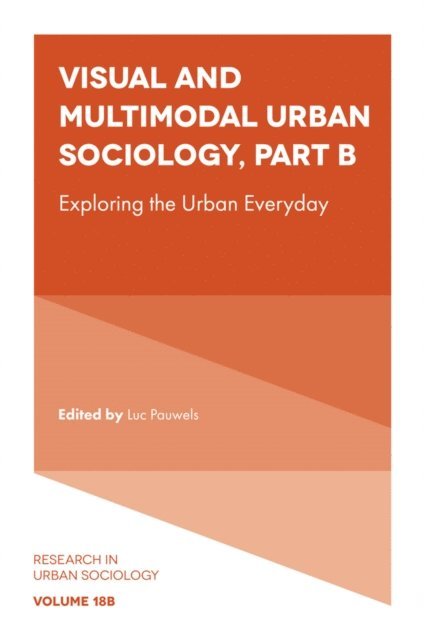
Both volumes comprise examinations of sources, tools, and methods to capture, analyze, and communicate the visual dimension of urban environments, using existing visual sources as well as visual media as tools to both produce data and communicate insights and views on the contemporary urban condition and experience. Visual and Multimodal Urban Sociology Part B explores the urban every day in globalizing cities, considering utilizing perception in motion, the visual component of neighbourhoods, smoking in the city, resignifying urban traces of colonialism, visual/sensory ethnography and co-living with death, and isolated buildings as indicators of social change.
Yielding empirical data and insights regarding the visually observable impact of urban planners, designers, advertisers, commercial forces, cultural institutions, local authorities, artists, protesters as social agents in the (re)production of urban cultural processes, both volumes are a novel and wide-ranging contribution that advances the contours and potential of a more ‘visual’ urban sociology.
1 162 kr
Skickas inom 5-8 vardagar
1 217 kr
Läs direkt efter köp
More extensive methodology is required to study the complexities of everyday life in the rapidly expanding urban areas around the globe, as well as to gain a better understanding of life in established urban areas. Presented over two volumes, Visual and Multimodal Urban Sociology A and B explore the use and potential of visual materials and methodologies that expand the level of analysis and ways of seeing in urban sociology.
Both volumes comprise examinations of sources, tools, and methods to capture, analyze, and communicate the visual dimension of urban environments, using existing visual sources as well as visual media as tools to both produce data and communicate insights and views on the contemporary urban condition and experience. Visual and Multimodal Urban Sociology Part B explores the urban every day in globalizing cities, considering utilizing perception in motion, the visual component of neighbourhoods, smoking in the city, resignifying urban traces of colonialism, visual/sensory ethnography and co-living with death, and isolated buildings as indicators of social change.
Yielding empirical data and insights regarding the visually observable impact of urban planners, designers, advertisers, commercial forces, cultural institutions, local authorities, artists, protesters as social agents in the (re)production of urban cultural processes, both volumes are a novel and wide-ranging contribution that advances the contours and potential of a more ‘visual’ urban sociology.
1 145 kr
Läs direkt efter köp
More extensive methodology is required to study the complexities of everyday life in the rapidly expanding urban areas around the globe, as well as to gain a better understanding of life in established urban areas. Presented over two volumes, Visual and Multimodal Urban Sociology A and B explore the use and potential of visual materials and methodologies that expand the level of analysis and ways of seeing in urban sociology.
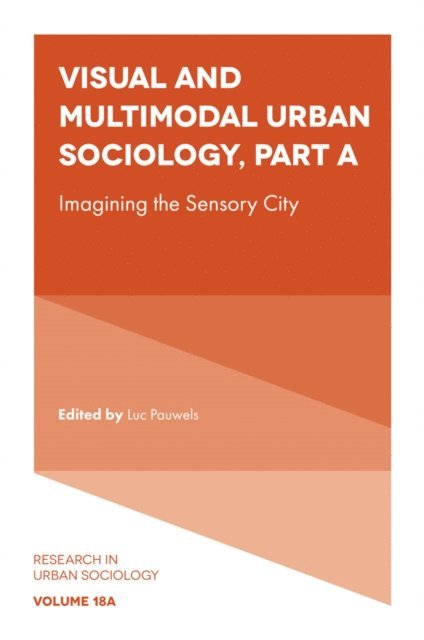
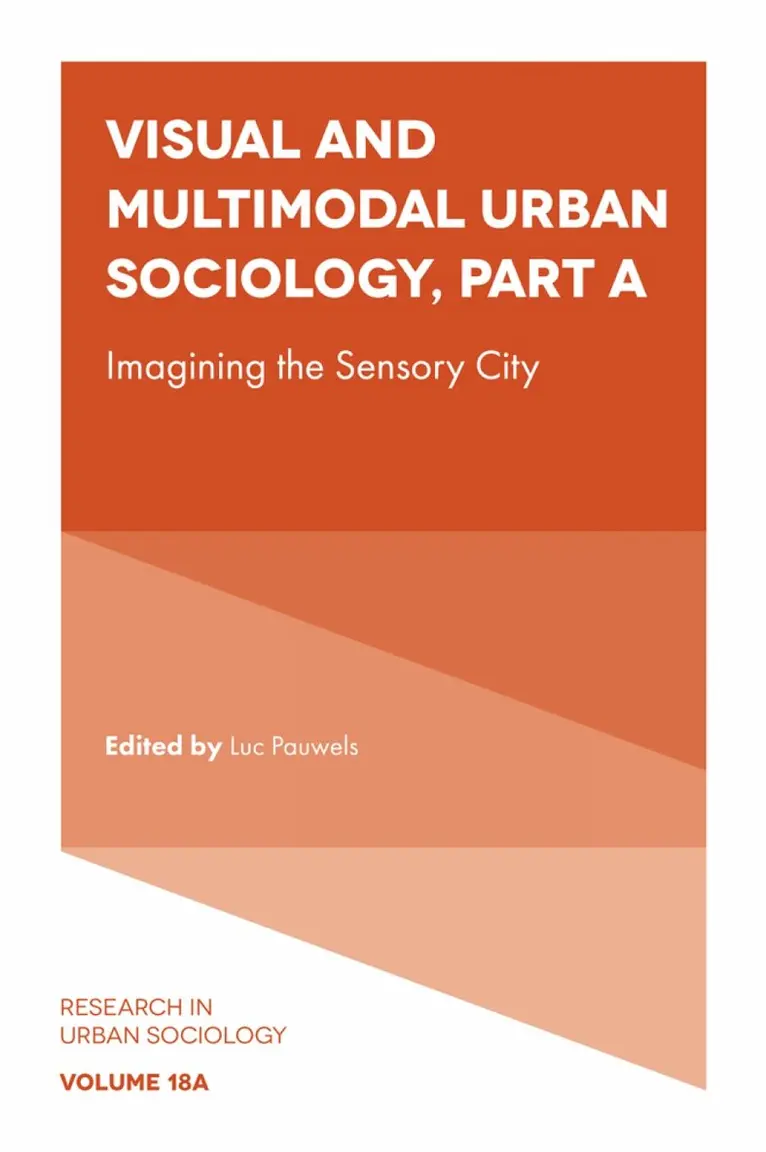
Both volumes comprise examinations of sources, tools, and methods to capture, analyze, and communicate the visual dimension of urban environments, using existing visual sources as well as visual media as tools to both produce data and communicate insights and views on the contemporary urban condition and experience. Visual and Multimodal Urban Sociology Part A imagines the sensory city through cross disciplinary perspectives, methods, and technology, considering the city as home, the past as a data visualization and analysis tool, geo-referencing and historic photographs, playing the Early Renaissance City, and concluding with learning from street view.
Yielding empirical data and insights regarding the visually observable impact of urban planners, designers, advertisers, commercial forces, cultural institutions, local authorities, artists, protesters as social agents in the (re)production of urban cultural processes, both volumes are a novel and wide-ranging contribution that advances the contours and potential of a more ‘visual’ urban sociology.
1 094 kr
Skickas inom 5-8 vardagar
1 145 kr
Läs direkt efter köp
More extensive methodology is required to study the complexities of everyday life in the rapidly expanding urban areas around the globe, as well as to gain a better understanding of life in established urban areas. Presented over two volumes, Visual and Multimodal Urban Sociology A and B explore the use and potential of visual materials and methodologies that expand the level of analysis and ways of seeing in urban sociology.
Both volumes comprise examinations of sources, tools, and methods to capture, analyze, and communicate the visual dimension of urban environments, using existing visual sources as well as visual media as tools to both produce data and communicate insights and views on the contemporary urban condition and experience. Visual and Multimodal Urban Sociology Part A imagines the sensory city through cross disciplinary perspectives, methods, and technology, considering the city as home, the past as a data visualization and analysis tool, geo-referencing and historic photographs, playing the Early Renaissance City, and concluding with learning from street view.
Yielding empirical data and insights regarding the visually observable impact of urban planners, designers, advertisers, commercial forces, cultural institutions, local authorities, artists, protesters as social agents in the (re)production of urban cultural processes, both volumes are a novel and wide-ranging contribution that advances the contours and potential of a more ‘visual’ urban sociology.