Luca Caneparo – författare
Visar alla böcker från författaren Luca Caneparo. Handla med fri frakt och snabb leverans.
4 produkter
4 produkter
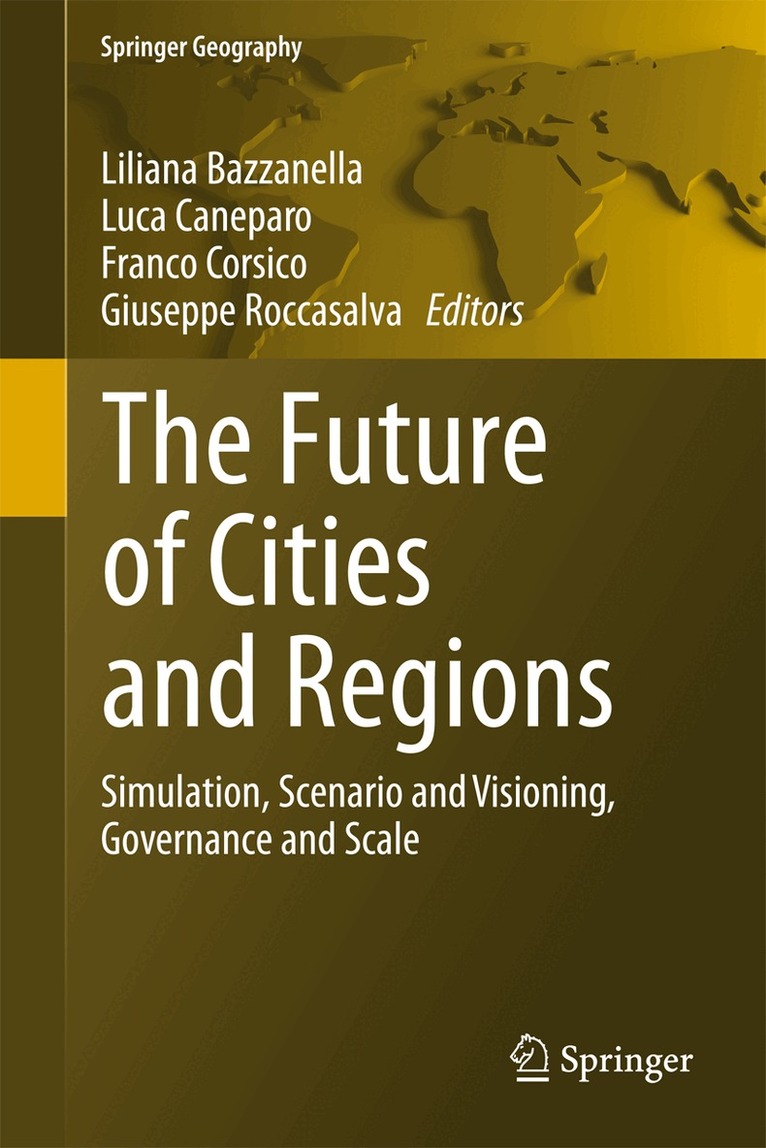
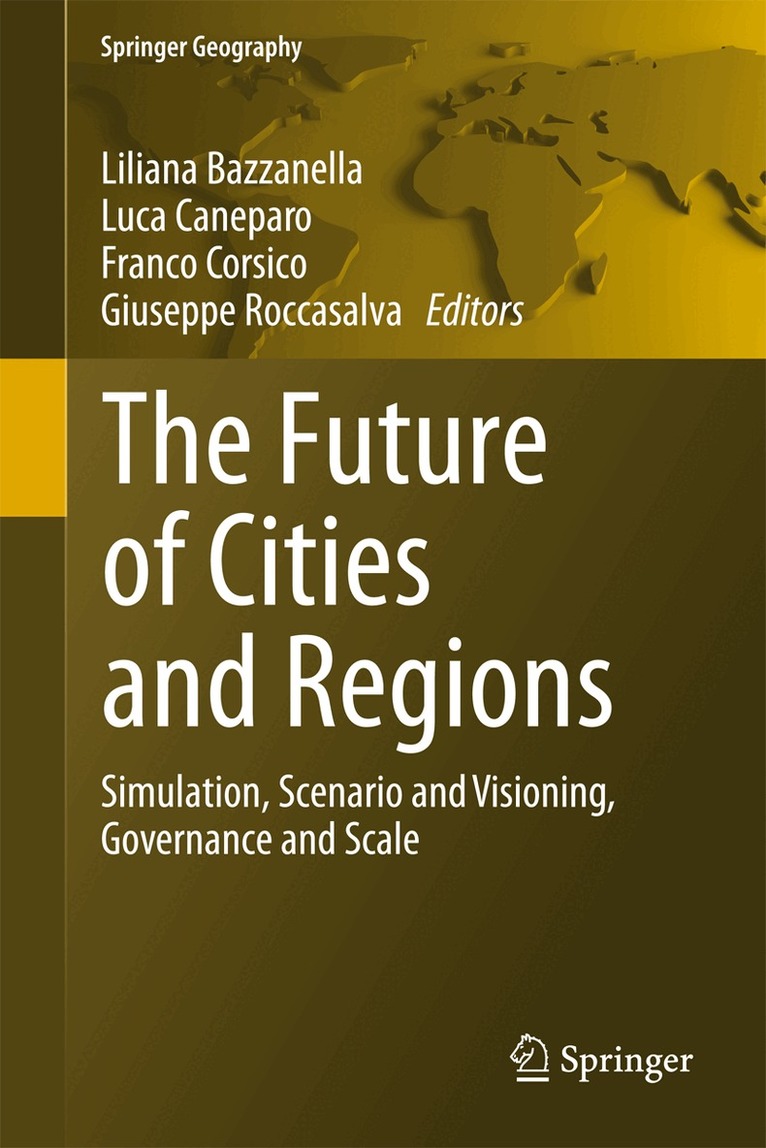
Future of Cities and Regions
Simulation, Scenario and Visioning, Governance and Scale
Inbunden, Engelska, 2012
1 589 kr
Skickas inom 10-15 vardagar
This guide for tomorrow’s urban practitioner systematically explains fifteen best practices across three continents; it explores questions of broad interest for designing and planning the future of cities and regions. Key questions addressed are: Is simulation useful to explore the effects of different design, policy and planning strategies? Which approach will help manage the uncertainties of metropolitan areas both today and tomorrow ? What are the strengths and weaknesses of the different simulation practices for city leadership, public and private partnership, and citizen involvement?The book reviews computer models and media, socio-political initiatives, professional practices which help communicating the future effects of different design, political and planning strategies with a wide range of aims: from information, through consultation, towards active participation. These world best practices are considered according to four leading issues for urban and regional development, respectively Simulation, Scenario and Visioning, Government and Governance, and Scale. The book examines the approaches adopted technically and procedurally. The selected knowledge and the innovative tools used in each case study are among the most advanced and up-to-date in the professional and research fields. This volume successfully illustrates these innovative practices and methodologies in a straightforward and accessible way.
1 528 kr
Skickas inom 10-15 vardagar
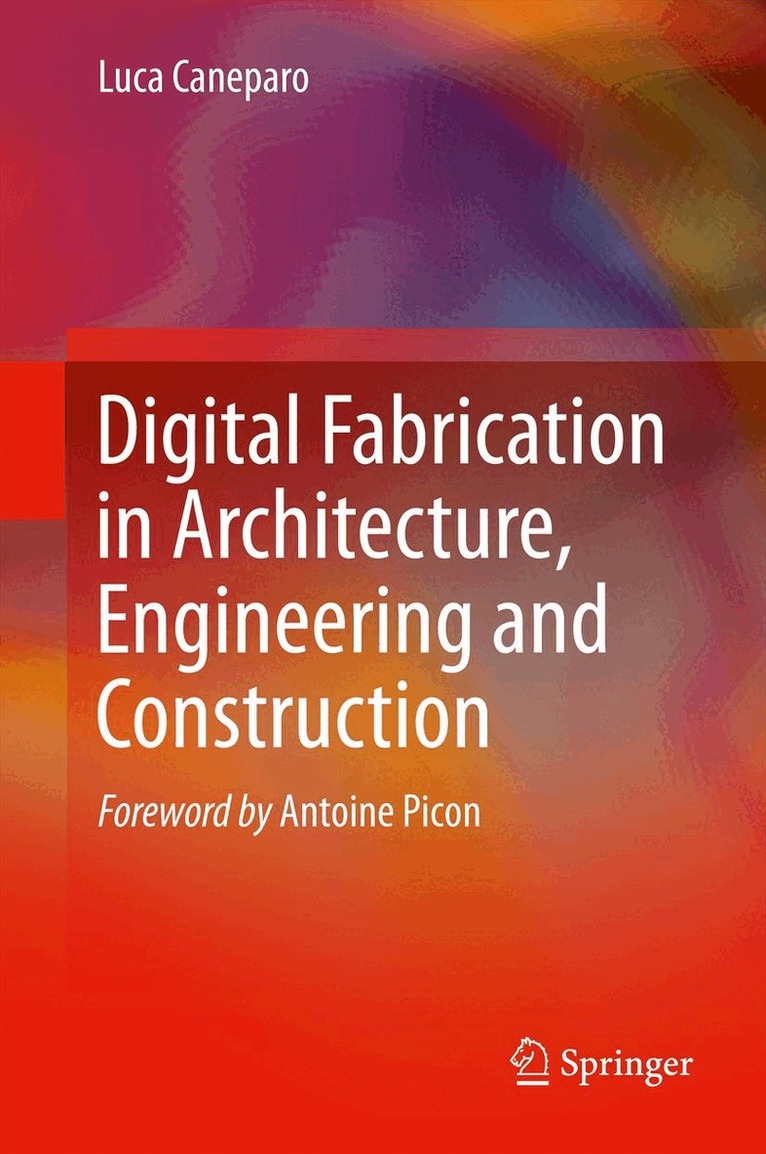
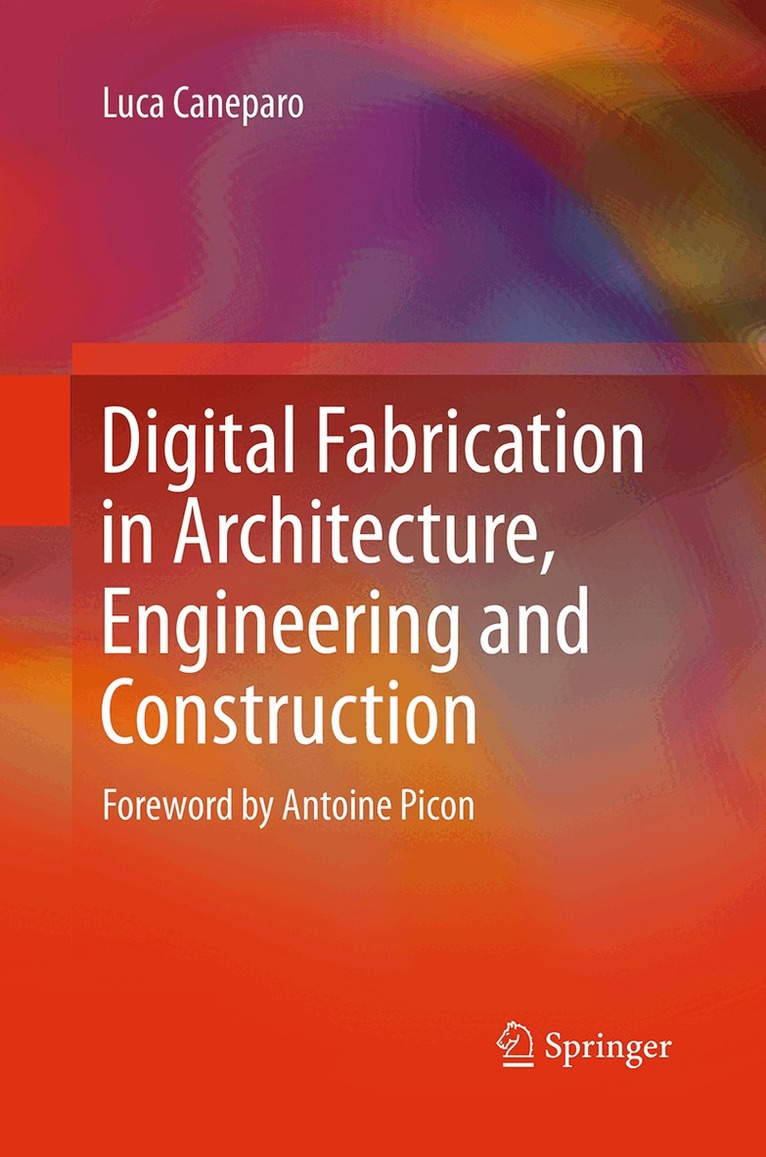
Digital technologies are changing the relationship between design and construction: with computer models, CAD/CAM, and prototyping, designers can gain direct control of building and construction processes. The ability to digitally model designs, and thus to use those models directly in the context of production, creates a synthesis between design and construction in keeping with the tradition of the close relationship between design and craftsmanship, between the quality of the design and the rules of the craft.The evolution of the culture of design and construction is the underlying theme of this book. The aim is to discuss the direction that innovation is now taking, with a particular focus on today’s cutting-edge architectures. The method addresses the ways in which different societies have dealt with the issues of their age regarding design and construction, the different contributions provided by various techniques, and with them the meanings expressed by the architecture. As building design using digital tools requires specific skills in the fabrication processes and in the languages used by information technology, the book also offers a practical guide to new methods and techniques of managing and controlling fabrication for AEC. A systematic analysis of new skills used in the design process presents an overview of opportunities for architects and engineers.By collecting information on significant projects and analyzing them, the book explores the technical and artistic potential of digital technology. The cases studied are the outcomes of groundbreaking projects which were able to give form and significance to technological research. They show that digital tools are not the exclusive prerogative of large firms but can also beadopted by teams working across small and medium-sized firms – firms which have been able to use informed research to link innovative design with the possibilities offered by digital fabrication in architecture.
Future of Cities and Regions
Simulation, Scenario and Visioning, Governance and Scale
Häftad, Engelska, 2014
1 589 kr
Skickas inom 10-15 vardagar
This guide for tomorrow’s urban practitioner systematically explains fifteen best practices across three continents; it explores questions of broad interest for designing and planning the future of cities and regions. Key questions addressed are: Is simulation useful to explore the effects of different design, policy and planning strategies? Which approach will help manage the uncertainties of metropolitan areas both today and tomorrow ? What are the strengths and weaknesses of the different simulation practices for city leadership, public and private partnership, and citizen involvement?The book reviews computer models and media, socio-political initiatives, professional practices which help communicating the future effects of different design, political and planning strategies with a wide range of aims: from information, through consultation, towards active participation. These world best practices are considered according to four leading issues for urban and regional development, respectively Simulation, Scenario and Visioning, Government and Governance, and Scale. The book examines the approaches adopted technically and procedurally. The selected knowledge and the innovative tools used in each case study are among the most advanced and up-to-date in the professional and research fields. This volume successfully illustrates these innovative practices and methodologies in a straightforward and accessible way.
1 124 kr
Skickas inom 10-15 vardagar
Digital technologies are changing the relationship between design and construction: with computer models, CAD/CAM, and prototyping, designers can gain direct control of building and construction processes. The ability to digitally model designs, and thus to use those models directly in the context of production, creates a synthesis between design and construction in keeping with the tradition of the close relationship between design and craftsmanship, between the quality of the design and the rules of the craft.The evolution of the culture of design and construction is the underlying theme of this book. The aim is to discuss the direction that innovation is now taking, with a particular focus on today’s cutting-edge architectures. The method addresses the ways in which different societies have dealt with the issues of their age regarding design and construction, the different contributions provided by various techniques, and with them the meanings expressed by the architecture. As building design using digital tools requires specific skills in the fabrication processes and in the languages used by information technology, the book also offers a practical guide to new methods and techniques of managing and controlling fabrication for AEC. A systematic analysis of new skills used in the design process presents an overview of opportunities for architects and engineers.By collecting information on significant projects and analyzing them, the book explores the technical and artistic potential of digital technology. The cases studied are the outcomes of groundbreaking projects which were able to give form and significance to technological research. They show that digital tools are not the exclusive prerogative of large firms but can also beadopted by teams working across small and medium-sized firms – firms which have been able to use informed research to link innovative design with the possibilities offered by digital fabrication in architecture.