Lucian N. Leustean – författare
Visar alla böcker från författaren Lucian N. Leustean. Handla med fri frakt och snabb leverans.
25 produkter
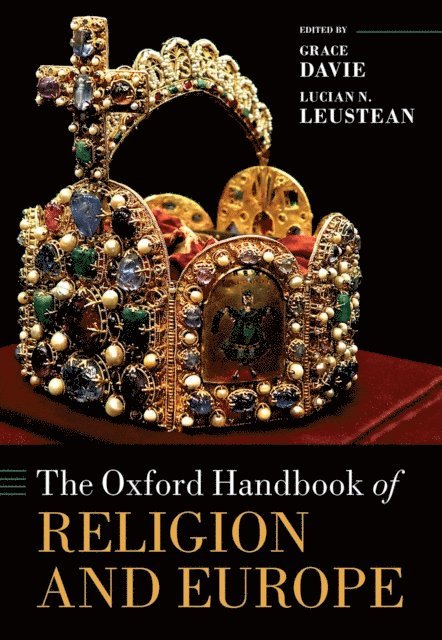
Oxford Handbook of Religion and Europe
Av Lucian N. Leustean, Grace Davie
E-bok, 2021
1907 kr
Lägg i varukorg
The Oxford Handbook of Religion and Europe offers a detailed overview of religious ideas, structures, and institutions in the making of Europe. It examines the role of religion in fostering identity, survival, and tolerance in the empires and nation-states of Europe from Antiquity until today; the …
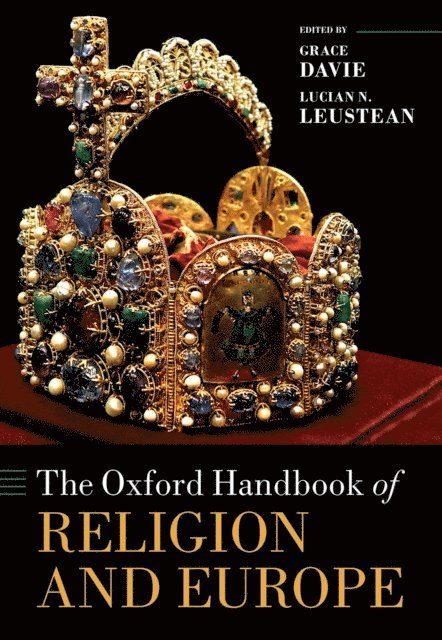
Oxford Handbook of Religion and Europe
Av Lucian N. Leustean, Grace Davie
E-bok, 2021
1907 kr
Lägg i varukorg
The Oxford Handbook of Religion and Europe offers a detailed overview of religious ideas, structures, and institutions in the making of Europe. It examines the role of religion in fostering identity, survival, and tolerance in the empires and nation-states of Europe from Antiquity until today; the …
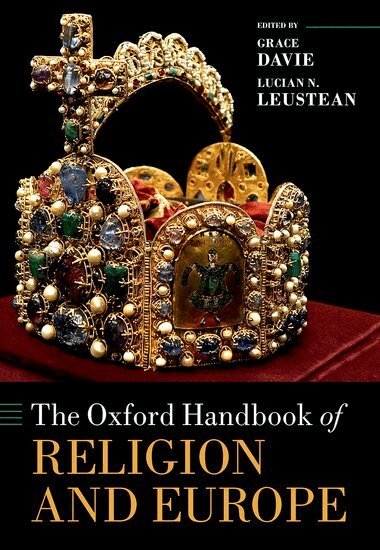
The Oxford Handbook of Religion and Europe
Av Grace Davie, Grace Davie m. fl.
Inbunden, 2021
2696 kr
Lägg i varukorg
The Oxford Handbook of Religion and Europe offers a detailed overview of religious ideas, structures, and institutions in the making of Europe. It examines the role of religion in fostering identity, survival, and tolerance in the empires and nation-states of Europe from Antiquity until today; the …
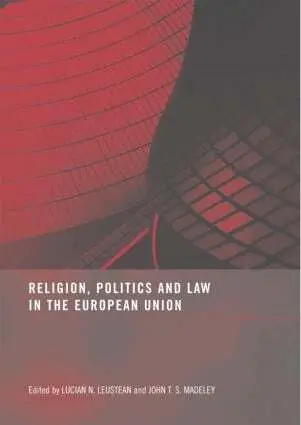
Religion, Politics and Law in the European Union
Av Lucian N. Leustean, John T.S. Madeley
Inbunden, 2009
2311 kr
Lägg i varukorg
EU enlargement - to countries in Central and Eastern Europe in 2004, the inclusion of Bulgaria and Romania in 2007, and increasing debates on Turkey’s membership - has dramatically transformed the European Union into a multi-religious space. Religious communities are not only shaping identities but …
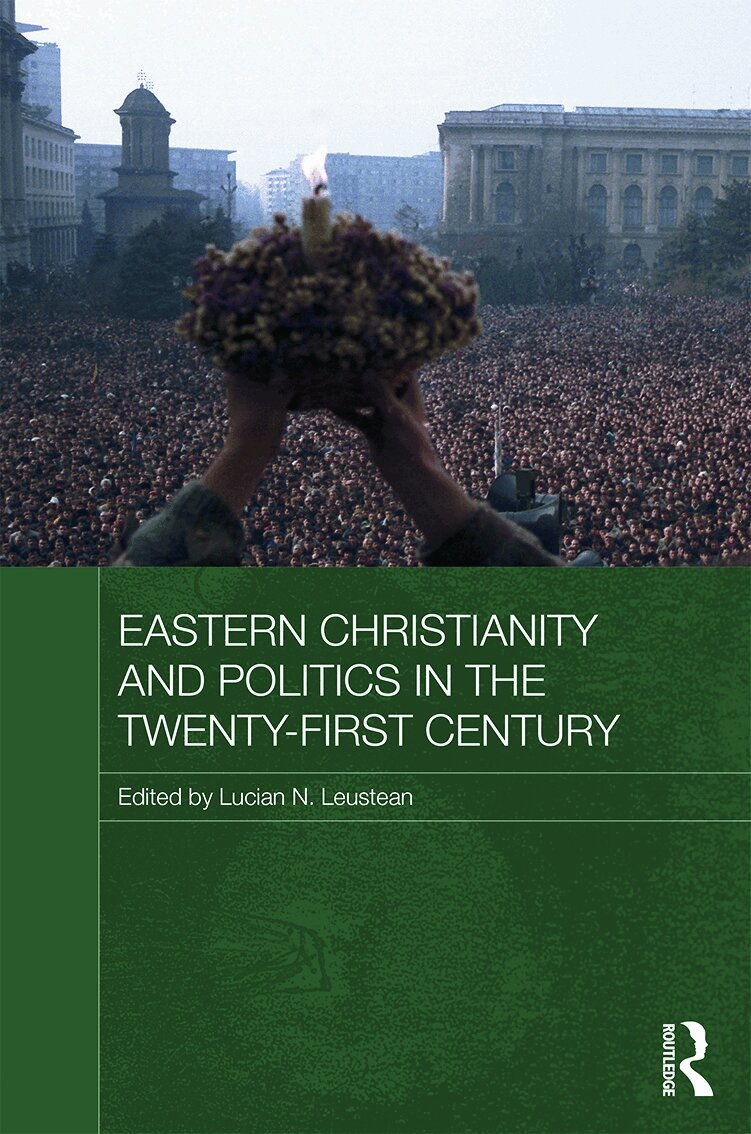
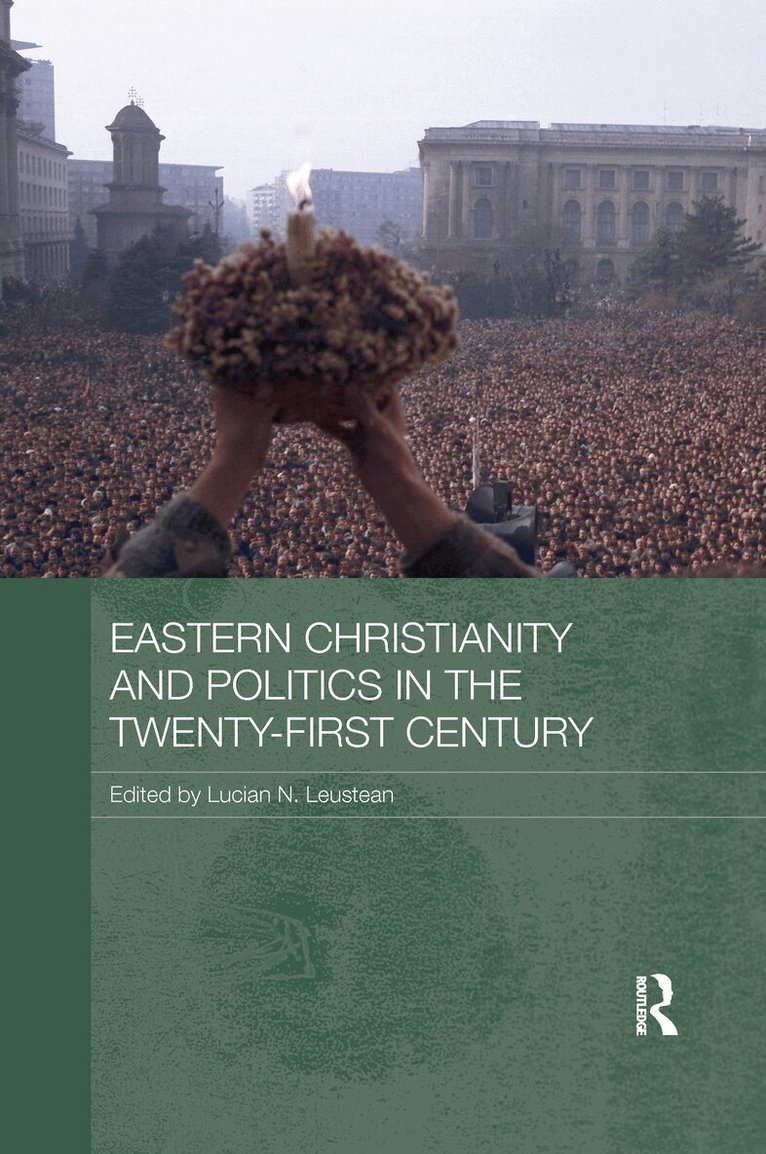
Eastern Christianity and Politics in the Twenty-First Century
Inbunden, 2014
4217 kr
Lägg i varukorg
This book provides an up-to-date, comprehensive overview of Eastern Christian churches in Europe, the Middle East, America, Africa, Asia and Australia. Written by leading international scholars in the field, it examines both Orthodox and Oriental churches from the end of the Cold War up to the …
Representing Religion in the European Union
Does God Matter?
Inbunden, 2012
2504 kr
Lägg i varukorg
Religious actors are becoming part of the EU bureaucratic system, and their mobilisation in Brussels and Strasbourg in the last decade has increased dramatically. This book explores the mechanism and impact of religious representation by examining relations between religious practitioners and …
Religion, Politics and Law in the European Union
Av Lucian N. Leustean, John T.S. Madeley
Häftad, 2013
781 kr
Lägg i varukorg
EU enlargement - to countries in Central and Eastern Europe in 2004, the inclusion of Bulgaria and Romania in 2007, and increasing debates on Turkey’s membership - has dramatically transformed the European Union into a multi-religious space. Religious communities are not only shaping identities but …
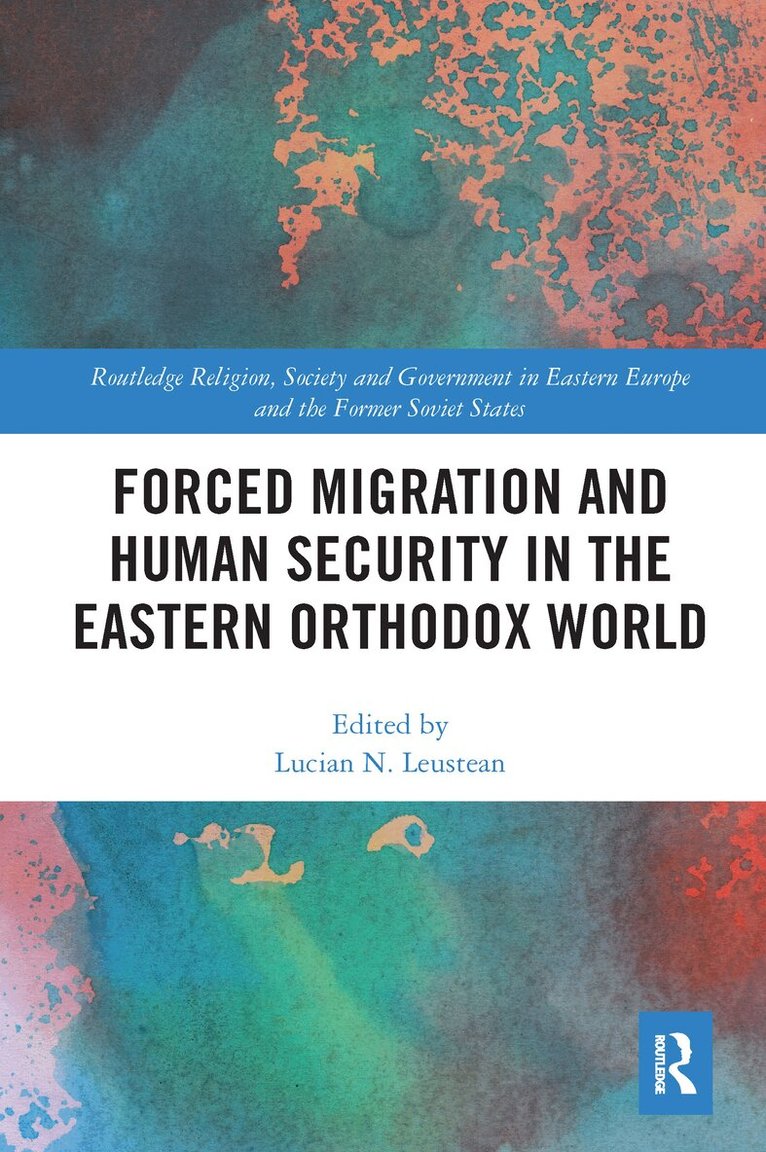
Forced Migration and Human Security in the Eastern Orthodox World
Inbunden, 2019
2752 kr
Lägg i varukorg
The conflict in Eastern Ukraine and the European refugee crisis have led to a dramatic increase in forced displacement across Europe. Fleeing war and violence, millions of refugees and internally displaced people face the social and political cultures of the predominantly Christian Orthodox …
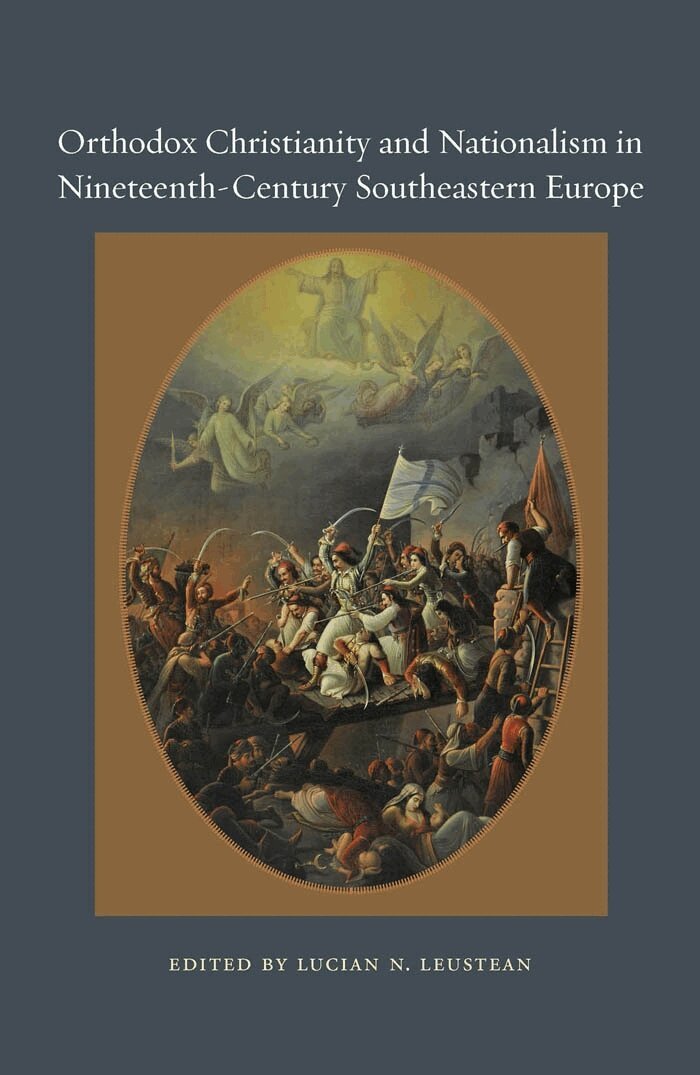
Orthodox Christianity and Nationalism in Nineteenth-Century Southeastern Europe
Inbunden, 2014
744 kr
Lägg i varukorg
Nation-building processes in the Orthodox commonwealth brought together political institutions and religious communities in their shared aims of achieving national sovereignty. Chronicling how the churches of Greece, Romania, Bulgaria, and Serbia acquired independence from the Patriarchate of …
Forced Migration and Human Security in the Eastern Orthodox World
Häftad, 2021
693 kr
Lägg i varukorg
The conflict in Eastern Ukraine and the European refugee crisis have led to a dramatic increase in forced displacement across Europe. Fleeing war and violence, millions of refugees and internally displaced people face the social and political cultures of the predominantly Christian Orthodox …
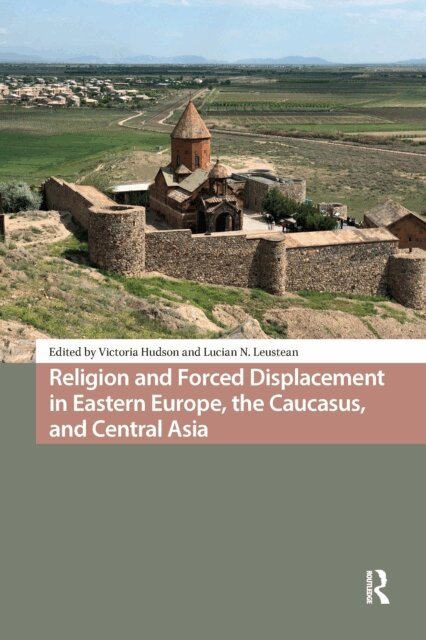
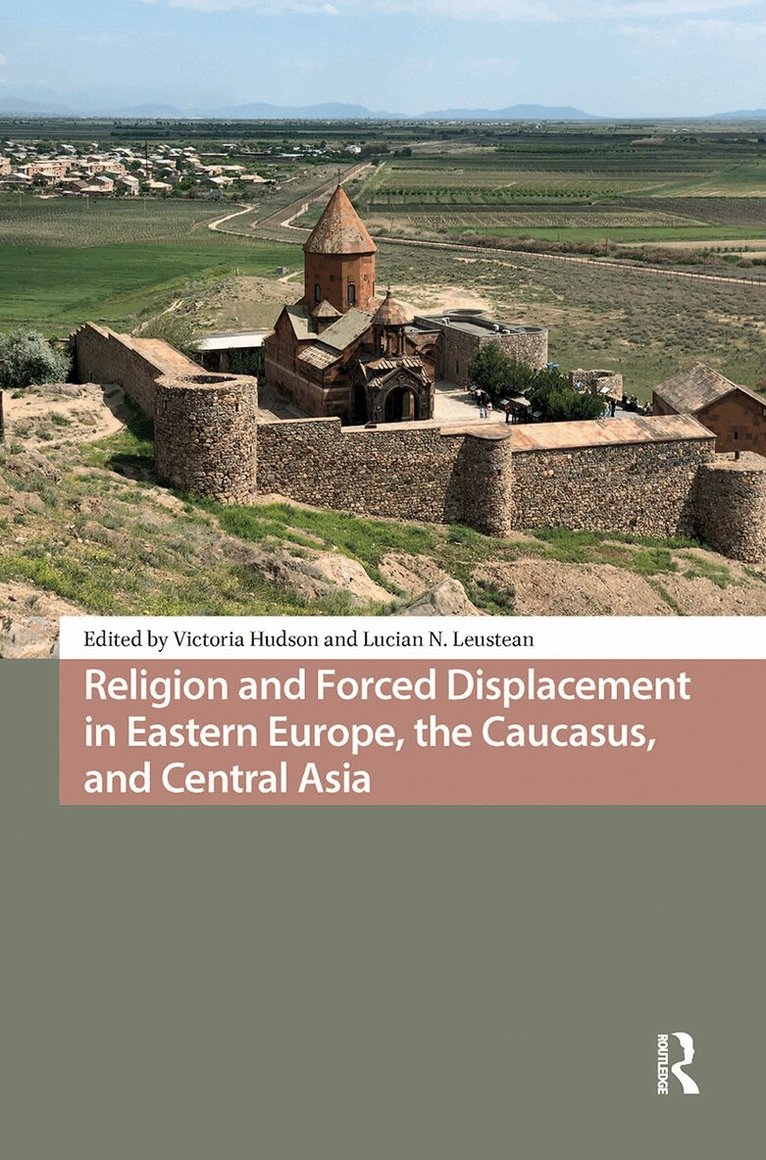
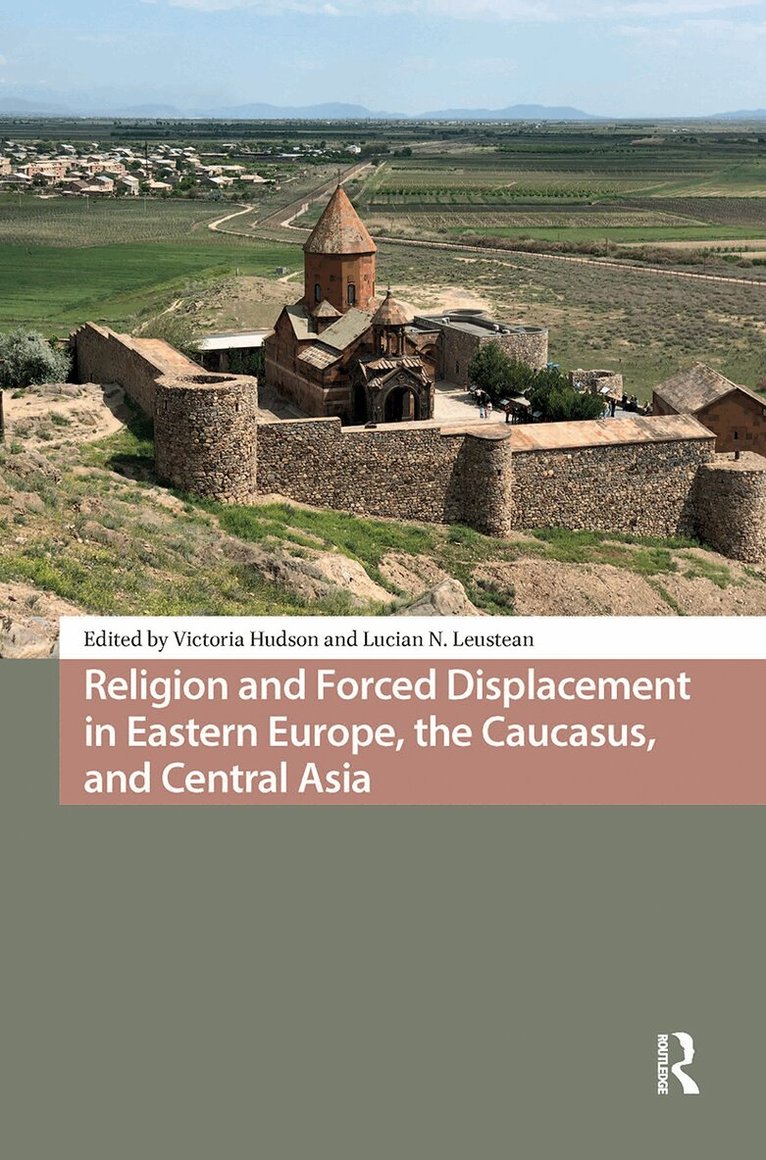
Religion and Forced Displacement in Eastern Europe, the Caucasus, and Central Asia
Av Lucian N. Leustean, Victoria Hudson
E-bok, 2025
831 kr
Lägg i varukorg
This book examines the social and political mobilisation of religious communities towards forced displacement in relation to tolerance and transitory environments. How do religious actors and state bodies engage with refugees and migrants? What are the mechanisms of religious support towards …
Religion and Forced Displacement in Eastern Europe, the Caucasus, and Central Asia
Av Lucian N. Leustean, Victoria Hudson
E-bok, 2025
831 kr
Lägg i varukorg
This book examines the social and political mobilisation of religious communities towards forced displacement in relation to tolerance and transitory environments. How do religious actors and state bodies engage with refugees and migrants? What are the mechanisms of religious support towards …
Religion and Forced Displacement in Eastern Europe, the Caucasus, and Central Asia
Av Victoria Hudson, Lucian N. Leustean
Häftad, 2025
708 kr
Lägg i varukorg
This book examines the social and political mobilisation of religious communities towards forced displacement in relation to tolerance and transitory environments. How do religious actors and state bodies engage with refugees and migrants? What are the mechanisms of religious support towards …
Representing Religion in the European Union
Does God Matter?
E-bok, 2012
712 kr
Lägg i varukorg
Religious actors are becoming part of the EU bureaucratic system, and their mobilisation in Brussels and Strasbourg in the last decade has increased dramatically. This book explores the mechanism and impact of religious representation by examining relations between religious practitioners and …
Representing Religion in the European Union
Does God Matter?
E-bok, 2012
727 kr
Lägg i varukorg
Religious actors are becoming part of the EU bureaucratic system, and their mobilisation in Brussels and Strasbourg in the last decade has increased dramatically. This book explores the mechanism and impact of religious representation by examining relations between religious practitioners and …
Eastern Christianity and Politics in the Twenty-First Century
Häftad, 2017
649 kr
Lägg i varukorg
This book provides an up-to-date, comprehensive overview of Eastern Christian churches in Europe, the Middle East, America, Africa, Asia and Australia. Written by leading international scholars in the field, it examines both Orthodox and Oriental churches from the end of the Cold War up to the …
Representing Religion in the European Union
Does God Matter?
Häftad, 2015
620 kr
Lägg i varukorg
Religious actors are becoming part of the EU bureaucratic system, and their mobilisation in Brussels and Strasbourg in the last decade has increased dramatically. This book explores the mechanism and impact of religious representation by examining relations between religious practitioners and …
Eastern Christianity and Politics in the Twenty-First Century
E-bok, 2014
762 kr
Lägg i varukorg
This book provides an up-to-date, comprehensive overview of Eastern Christian churches in Europe, the Middle East, America, Africa, Asia and Australia. Written by leading international scholars in the field, it examines both Orthodox and Oriental churches from the end of the Cold War up to the …
Eastern Christianity and Politics in the Twenty-First Century
E-bok, 2014
762 kr
Lägg i varukorg
This book provides an up-to-date, comprehensive overview of Eastern Christian churches in Europe, the Middle East, America, Africa, Asia and Australia. Written by leading international scholars in the field, it examines both Orthodox and Oriental churches from the end of the Cold War up to the …
Religion, Politics and Law in the European Union
Av John T.S. Madeley, Lucian N. Leustean
E-bok, 2013
983 kr
Lägg i varukorg
EU enlargement - to countries in Central and Eastern Europe in 2004, the inclusion of Bulgaria and Romania in 2007, and increasing debates on Turkey’s membership - has dramatically transformed the European Union into a multi-religious space. Religious communities are not only shaping identities …
Religion, Politics and Law in the European Union
Av John T.S. Madeley, Lucian N. Leustean
E-bok, 2013
1004 kr
Lägg i varukorg
EU enlargement - to countries in Central and Eastern Europe in 2004, the inclusion of Bulgaria and Romania in 2007, and increasing debates on Turkey’s membership - has dramatically transformed the European Union into a multi-religious space. Religious communities are not only shaping identities …
Forced Migration and Human Security in the Eastern Orthodox World
E-bok, 2019
814 kr
Lägg i varukorg
The conflict in Eastern Ukraine and the European refugee crisis have led to a dramatic increase in forced displacement across Europe. Fleeing war and violence, millions of refugees and internally displaced people face the social and political cultures of the predominantly Christian Orthodox …
Forced Migration and Human Security in the Eastern Orthodox World
E-bok, 2019
796 kr
Lägg i varukorg
The conflict in Eastern Ukraine and the European refugee crisis have led to a dramatic increase in forced displacement across Europe. Fleeing war and violence, millions of refugees and internally displaced people face the social and political cultures of the predominantly Christian Orthodox …
Religious Failure, Geopolitics, and Forced Displacement in Russia, Eastern Europe, and the South Caucasus
Inbunden, 2026
1789 kr
Lägg i varukorg
What happens when states fail to provide support to populations in need? What are the mechanisms of religious and political engagement with populations affected by organized violence, displacement, and resettlement? The book argues that when state structures fail to respond to violence, religious …
Religion and Forced Displacement in Eastern Europe, the Caucasus, and Central Asia
Av Victoria Hudson, Lucian N. Leustean
Inbunden, 2022
2519 kr
Lägg i varukorg
Provides a comprehensive overview of the ways in which religious communities tackle humanitarian crises in contemporary Armenia, Bulgaria, Greece, Georgia, Kazakhstan, Kyrgyzstan, Moldova, Poland, Russia, Serbia, Ukraine and Uzbekistan.