Lucien Steil - Böcker
Visar alla böcker från författaren Lucien Steil. Handla med fri frakt och snabb leverans.
3 produkter
3 produkter
406 kr
Skickas inom 7-10 vardagar
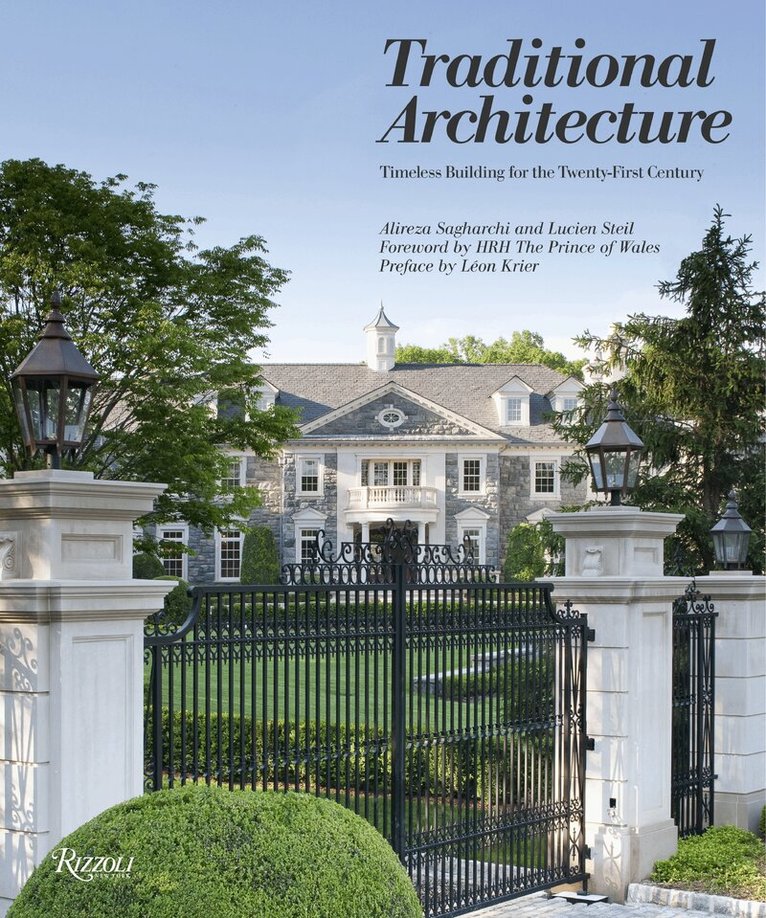
A comprehensive overview of current trends in classicist and vernacular architecture. This book presents 130 projects that reconsider what it means to practice as a traditional architect in the twenty-first century, including a substantial body of work from non-Western countries as well as work by contemporary masters of classical design such as Robert A. M. Stern, Allan Greenberg, Andrés Duany and Elizabeth Plater-Zyberk, and Quinlan and Francis Terry. The projects assembled here highlight the awareness of a sustainable localism and the continuity of traditional building crafts on a global scale and reveal the resilience and originality of traditional building cultures despite the enormous economic and cultural pressures of contemporary development. This is an optimistic vision of a new breed of traditional architects who endeavor to enrich the future while honoring the past.
817 kr
Skickas inom 10-15 vardagar
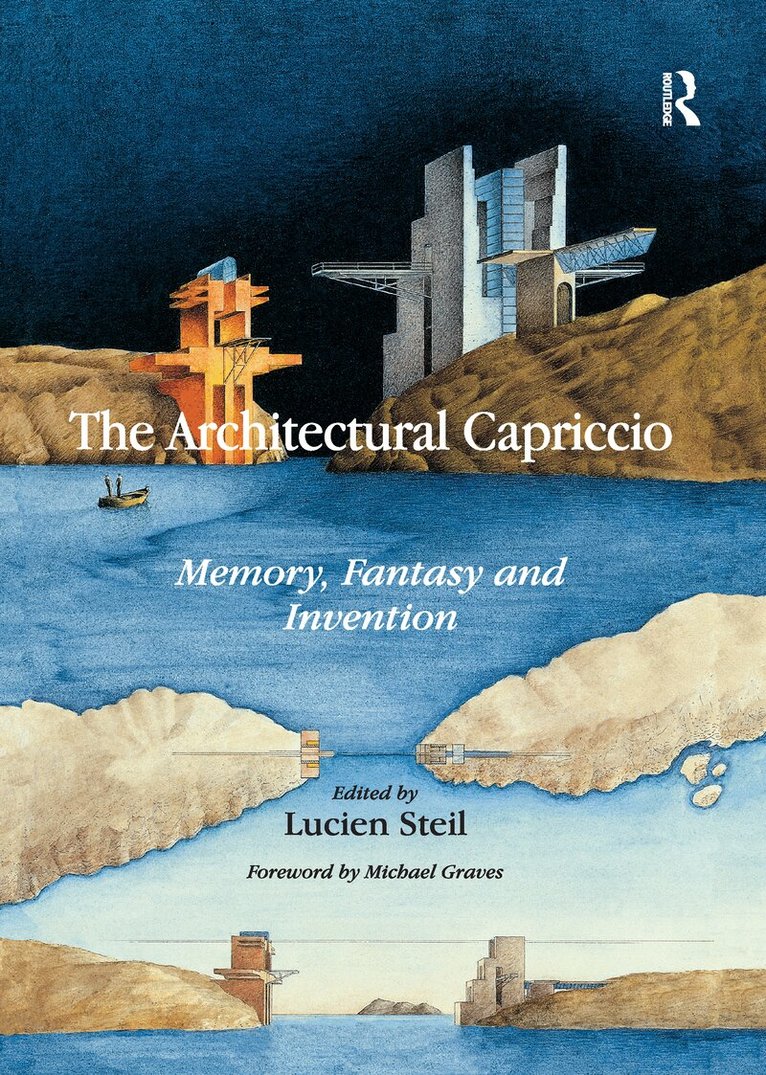
Bringing together leading writers and practicing architects including Jean Dethier, David Mayernik, Massimo Scolari, Robert Adam, David Watkin and Leon Krier, this volume provides a kaleidoscopic, multilayered exploration of the Architectural Capriccio. It not only explains the phenomena within a historical context, but moreover, demonstrates its contemporary validity and appropriateness as a holistic design methodology, an inspiring pictorial strategy, an efficient rendering technique and an optimal didactic tool. The book shows and comments on a wide range of historic masterworks and highlights contemporary artists and architects excelling in a modern updated, refreshed and original tradition of the Capriccio. The capacity of the Capriccio to create an imaginary, imagined or 'analogue' reality by combining and relocating existing or invented buildings and places in uniquely suggestive drawings and paintings offers unprecedented insights in the 'Architectural Mind'. Unlike what the word Capriccio might suggest, it is not 'capricious' but indeed follows complex rules of realism and figuration, as well as coherent narratives and semantics. It is a playful reflection of the dialectics of the real and the ideal. The Capriccio does not challenge the mechanism of reality, but questions the mechanic and linear reading of the real, of life and of art and offers a large palette of threads, figures, tones and nuances to illustrate and contribute creatively to the complexity of a sustainable built and living architectural environment.
2 219 kr
Skickas inom 10-15 vardagar
Bringing together leading writers and practicing architects including Jean Dethier, David Mayernik, Massimo Scolari, Robert Adam, David Watkin and Leon Krier, this volume provides a kaleidoscopic, multilayered exploration of the Architectural Capriccio. It not only explains the phenomena within a historical context, but moreover, demonstrates its contemporary validity and appropriateness as a holistic design methodology, an inspiring pictorial strategy, an efficient rendering technique and an optimal didactic tool. The book shows and comments on a wide range of historic masterworks and highlights contemporary artists and architects excelling in a modern updated, refreshed and original tradition of the Capriccio. The capacity of the Capriccio to create an imaginary, imagined or 'analogue' reality by combining and relocating existing or invented buildings and places in uniquely suggestive drawings and paintings offers unprecedented insights in the 'Architectural Mind'. Unlike what the word Capriccio might suggest, it is not 'capricious' but indeed follows complex rules of realism and figuration, as well as coherent narratives and semantics. It is a playful reflection of the dialectics of the real and the ideal. The Capriccio does not challenge the mechanism of reality, but questions the mechanic and linear reading of the real, of life and of art and offers a large palette of threads, figures, tones and nuances to illustrate and contribute creatively to the complexity of a sustainable built and living architectural environment.