Lucinda Holdforth – författare
Visar alla böcker från författaren Lucinda Holdforth. Handla med fri frakt och snabb leverans.
5 produkter
Why Manners Matter: What Confucius, Jefferson, and Jackie O Knew and You ShouldToo
Häftad, 2010
378 kr
Lägg i varukorg
Why Manners Matter
What Confucius, Jefferson, and Jackie O Knew and You ShouldToo
E-bok, 2009
80 kr
Lägg i varukorg
"Witty, well-reasoned, and, yes, occasionally potty mouthed, the fiercely talented Lucinda Holdforth may be doing more to save civilization than anyone I know. Holdforth has held forth, and for this I bow down low before her." -Henry Alford, author of How To Live In this age of global warming and …
True Pleasures
A Memoir Of Women In Paris
E-bok, 2011
214 kr
Lägg i varukorg
Meet the dazzling women of Paris; from Colette to Nancy Mitford; Marie Antoinette to Coco Chanel; Napoleon''s Josephine to Edith Wharton. Rule-breakers and style-setters, these women were utterly diverse, yet they shared one common passion - Paris, the world''s headquarters of femininity. At a …
Going On and On
Why Our Longevity Threatens the Future
E-bok, 2026
156 kr
Lägg i varukorg
We are living longer than ever before.But what is it costing future generations?And why is nobody willing to talk about it?Australias ageing crisis is reshaping the nation placing enormous pressure on healthcare, aged care, housing, politics, and younger generations struggling to inherit an …
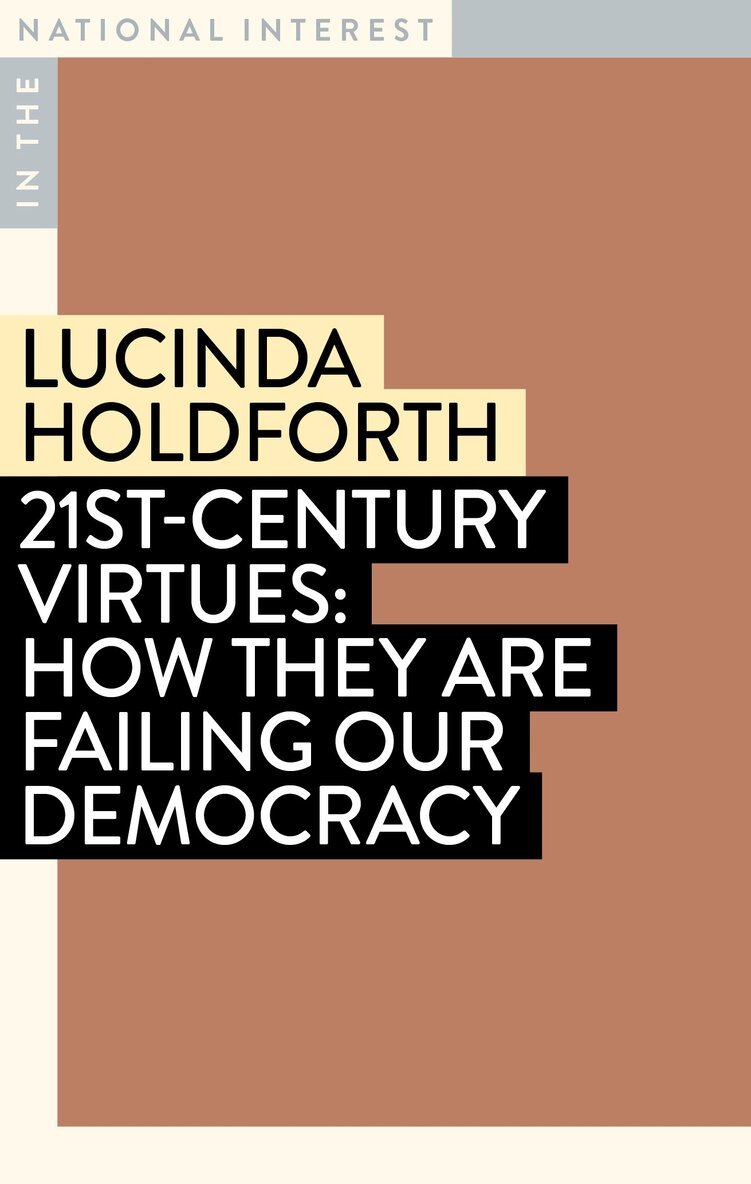
21st-Century Virtues
How They Are Failing Our Democracy
Häftad, 2023
192 kr
Lägg i varukorg
Authenticity. Vulnerability. Humility. Transparency. These are some of the 21st-century virtues proselytised by mindset gurus, paraded (if not practised) by big corporations, and lauded by professionals on LinkedIn. The quest for authenticity, for example, is central to progressive campaigns for …