Lúcio De Sousa - Böcker
Visar alla böcker från författaren Lúcio De Sousa. Handla med fri frakt och snabb leverans.
4 produkter
4 produkter
Del 7 - Studies in Global Slavery
Portuguese Slave Trade in Early Modern Japan
Merchants, Jesuits and Japanese, Chinese, and Korean Slaves
Inbunden, Engelska, 2018
3 346 kr
Skickas inom 5-8 vardagar
Winner of the Portuguese Academy of History Award / Gulbenkian Foundation Award in History 2019In The Portuguese Slave Trade in Early Modern Japan: Merchants, Jesuits and Japanese, Chinese, and Korean Slaves Lucio de Sousa offers a study on the system of traffic of Japanese, Chinese, and Korean slaves from Japan. Using the Portuguese mercantile networks, de Sousa reconstructs the Japanese communities in the Habsburg Empire; and analyses the impact of the Japanese slave trade on the Iberian legislation produced in the 16th and first half of the 17th centuries.
Del 7 - Studies in Global Slavery
Portuguese Slave Trade in Early Modern Japan
Merchants, Jesuits and Japanese, Chinese, and Korean Slaves
Häftad, Engelska, 2021
1 177 kr
Skickas inom 5-8 vardagar
Winner of the Portuguese Academy of History Award / Gulbenkian Foundation Award in History 2019In The Portuguese Slave Trade in Early Modern Japan: Merchants, Jesuits and Japanese, Chinese, and Korean Slaves Lucio de Sousa offers a study on the system of traffic of Japanese, Chinese, and Korean slaves from Japan. Using the Portuguese mercantile networks, de Sousa reconstructs the Japanese communities in the Habsburg Empire; and analyses the impact of the Japanese slave trade on the Iberian legislation produced in the 16th and first half of the 17th centuries.
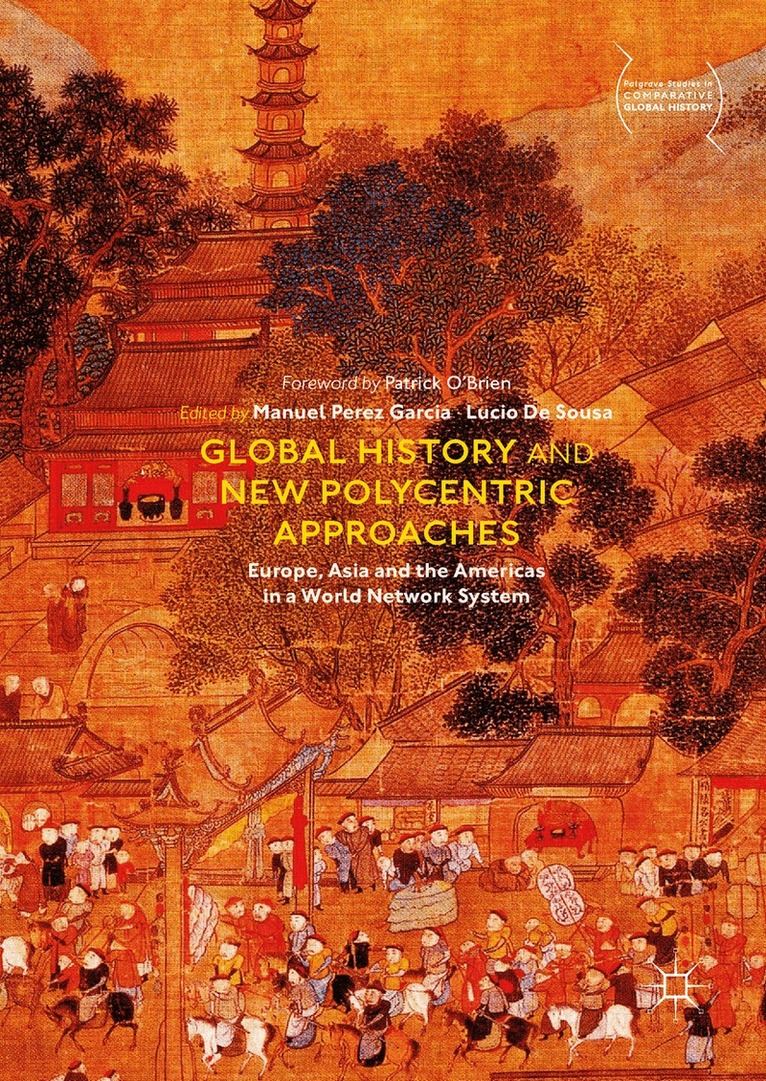
Global History and New Polycentric Approaches
Europe, Asia and the Americas in a World Network System
Inbunden, Engelska, 2017
311 kr
Skickas inom 10-15 vardagar
This book is open access under a CC BY 4.0 license. Rethinking the ways global history is envisioned and conceptualized in diverse countries such as China, Japan, Mexico or Spain, this collections considers how global issues are connected with our local and national communities. It examines how the discipline had evolved in various historiographies, from Anglo Saxon to southern European, and its emergence in Asia with the rapid development of the Chinese economy motivation to legitimate the current uniqueness of the history and economy of the nation. It contributes to the revitalization of the field of global history in Chinese historiography, which have been dominated by national narratives and promotes a debate to open new venues in which important features such as scholarly mobility, diversity and internationalization are firmly rooted, putting aside national specificities. Dealing with new approaches on the use of empirical data by framingthe proper questions and hypotheses and connecting western and eastern sources, this text opens a new forum of discussion on how global history has penetrated in western and eastern historiographies, moving the pivotal axis of analysis from national perspectives to open new venues of global history.
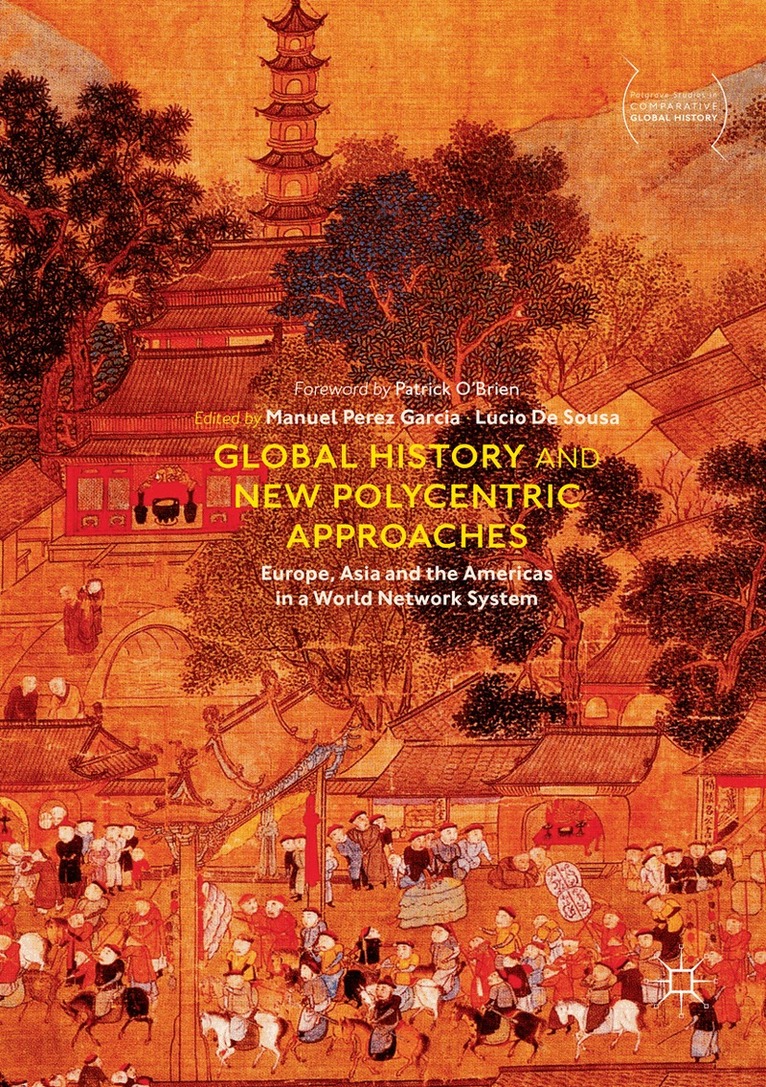
Global History and New Polycentric Approaches
Europe, Asia and the Americas in a World Network System
Häftad, Engelska, 2019
311 kr
Skickas inom 10-15 vardagar
This book is open access under a CC BY 4.0 license. Rethinking the ways global history is envisioned and conceptualized in diverse countries such as China, Japan, Mexico or Spain, this collections considers how global issues are connected with our local and national communities. It examines how the discipline had evolved in various historiographies, from Anglo Saxon to southern European, and its emergence in Asia with the rapid development of the Chinese economy motivation to legitimate the current uniqueness of the history and economy of the nation. It contributes to the revitalization of the field of global history in Chinese historiography, which have been dominated by national narratives and promotes a debate to open new venues in which important features such as scholarly mobility, diversity and internationalization are firmly rooted, putting aside national specificities. Dealing with new approaches on the use of empirical data by framingthe proper questions and hypotheses and connecting western and eastern sources, this text opens a new forum of discussion on how global history has penetrated in western and eastern historiographies, moving the pivotal axis of analysis from national perspectives to open new venues of global history.