Lucy McKenzie – författare
Visar alla böcker från författaren Lucy McKenzie. Handla med fri frakt och snabb leverans.
6 produkter
6 produkter
E-bok
Engelska, 20211 024 kr
Läs direkt efter köp
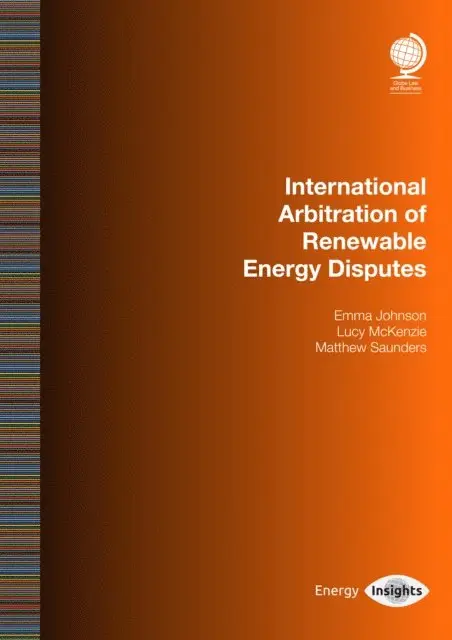
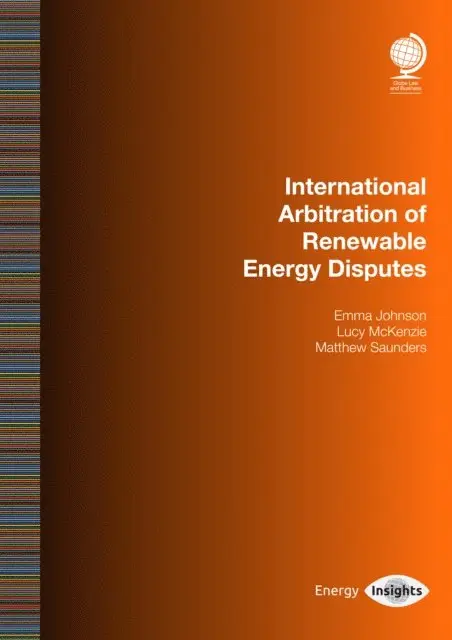
Despite a temporary decline in energy usage and emissions resulting from the confinement policies adopted by many states in response to the Covid-19 pandemic, the world is not on track to meet the Paris Agreement climate change goals. In order to bridge the ''emissions gap'' by 2030, the energy industry is critical to achieving the necessary cuts to emissions, however, it must also balance increasing energy demand with the need to achieve sustainability of energy supply for future generations. This requires the industry to transition from dependence on fossil-fuel sources and look to new technologies that underpin a low-carbon economy. Renewables are central to this transition.The increase in renewable energy capacity globally and the complex and relatively untested nature of renewables projects and the contracts underlying them give rise to a wide range of potential disputes. International arbitration has long been the preferred dispute resolution forum for the energy sector and is well placed to be the leading process for resolving the many and varied disputes that can arise in the lifetime of a renewables project. In light of the increased prevalence of renewable disputes, this Special Report considers:•the defining characteristics of renewables projects; •the scope for disputes to arise in the implementation of these projects at an inter-state, investor-state and commercial level;•the suitability of arbitration to resolve these disputes, and how its processes can be adapted to resolve them in an efficient and effective way; and•what the future of arbitration of renewable energy disputes might look like. Written for both a legal and non-legal audience, this Special Report is relevant to those interested in learning about the scope for disputes in the renewables sector, how they can be avoided, and how arbitration can best be deployed to prevent delay and help push energy transition forward.
E-bok
PDF, Engelska, 20211 024 kr
Läs direkt efter köp
Despite a temporary decline in energy usage and emissions resulting from the confinement policies adopted by many states in response to the Covid-19 pandemic, the world is not on track to meet the Paris Agreement climate change goals. In order to bridge the ''emissions gap'' by 2030, the energy industry is critical to achieving the necessary cuts to emissions, however, it must also balance increasing energy demand with the need to achieve sustainability of energy supply for future generations. This requires the industry to transition from dependence on fossil-fuel sources and look to new technologies that underpin a low-carbon economy. Renewables are central to this transition.The increase in renewable energy capacity globally and the complex and relatively untested nature of renewables projects and the contracts underlying them give rise to a wide range of potential disputes. International arbitration has long been the preferred dispute resolution forum for the energy sector and is well placed to be the leading process for resolving the many and varied disputes that can arise in the lifetime of a renewables project. In light of the increased prevalence of renewable disputes, this Special Report considers:•the defining characteristics of renewables projects; •the scope for disputes to arise in the implementation of these projects at an inter-state, investor-state and commercial level;•the suitability of arbitration to resolve these disputes, and how its processes can be adapted to resolve them in an efficient and effective way; and•what the future of arbitration of renewable energy disputes might look like. Written for both a legal and non-legal audience, this Special Report is relevant to those interested in learning about the scope for disputes in the renewables sector, how they can be avoided, and how arbitration can best be deployed to prevent delay and help push energy transition forward.
Häftad, Engelska, 2024
1 833 kr
Skickas inom 5-8 vardagar
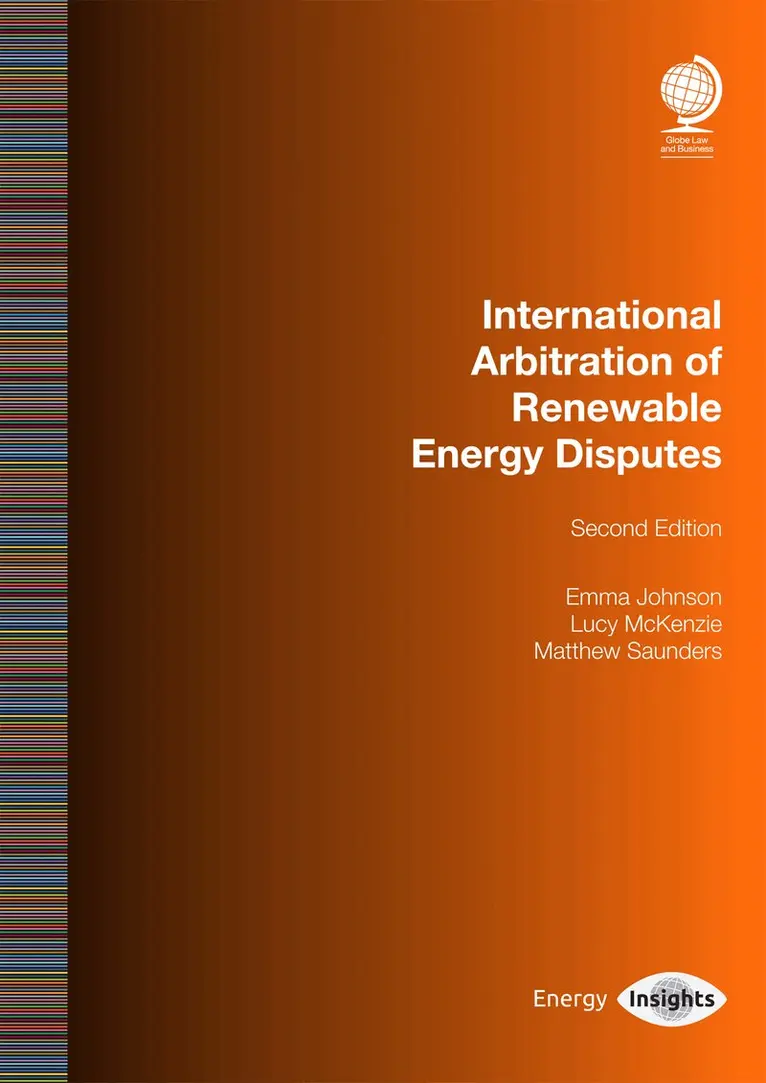
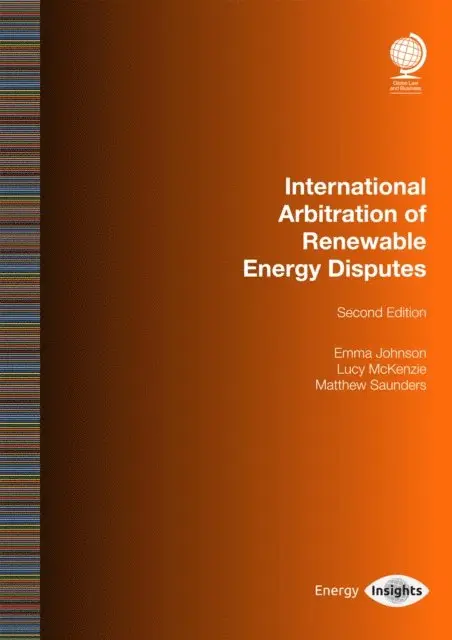
Decarbonisation of the energy sector is critical to achieving the emissions reductions required to meet the Paris Agreement climate change goals. However, the sector must balance increasing energy demand with the need to achieve sustainability of energy supply, the importance of which has been accentuated by the COVID-19 pandemic and the Russia-Ukraine war, which have added an energy security imperative. Traditional dependence on fossil fuels needs to be replaced with new technologies – and renewable energy sources are central to the transition. The increase in renewable energy capacity globally, and its complexities, give rise to a wide range of potential disputes. International arbitration has long been the preferred dispute resolution forum for the energy sector and is well placed to be the preferred process for dispute resolution in renewables projects. The second edition of this Special Report considers: •the defining characteristics of renewables projects; •the scope for disputes to arise in the implementation of these projects, including a discussion of the elements of renewable energy projects that give rise to disputes between investors, states and commercial parties; •the common contractual protections that can be used to address disputes risk; •the suitability of arbitration to resolve disputes, the key considerations for parties negotiating arbitration agreements, and how arbitral procedures might be adapted for effectiveness; and •potential future renewable energy dispute trends, including as a consequence of the recent spate of EU member state withdrawals from the energy Charter Treaty, and as the effects of various geopolitical events continue to be felt. Written for both a legal and non-legal audience, this Special Report is relevant to those interested in learning about the scope for disputes in the renewables sector, how they can be avoided, and how arbitration can best be deployed to prevent delay, resolve disputes and help push the energy transition forward.
E-bok
Engelska, 20241 646 kr
Läs direkt efter köp
Decarbonisation of the energy sector is critical to achieving the emissions reductions required to meet the Paris Agreement climate change goals. However, the sector must balance increasing energy demand with the need to achieve sustainability of energy supply, the importance of which has been accentuated by the COVID-19 pandemic and the Russia-Ukraine war, which have added an energy security imperative. Traditional dependence on fossil fuels needs to be replaced with new technologies – and renewable energy sources are central to the transition. The increase in renewable energy capacity globally, and its complexities, give rise to a wide range of potential disputes. International arbitration has long been the preferred dispute resolution forum for the energy sector and is well placed to be the preferred process for dispute resolution in renewables projects. The second edition of this Special Report considers: •the defining characteristics of renewables projects; •the scope for disputes to arise in the implementation of these projects, including a discussion of the elements of renewable energy projects that give rise to disputes between investors, states and commercial parties; •the common contractual protections that can be used to address disputes risk; •the suitability of arbitration to resolve disputes, the key considerations for parties negotiating arbitration agreements, and how arbitral procedures might be adapted for effectiveness; and •potential future renewable energy dispute trends, including as a consequence of the recent spate of EU member state withdrawals from the energy Charter Treaty, and as the effects of various geopolitical events continue to be felt. Written for both a legal and non-legal audience, this Special Report is relevant to those interested in learning about the scope for disputes in the renewables sector, how they can be avoided, and how arbitration can best be deployed to prevent delay, resolve disputes and help push the energy transition forward.
Inbunden, Engelska, 2025
202 kr
Skickas
Inbunden, Engelska, 2024
660 kr
Skickas inom 3-6 vardagar