Lucy Natarajan – författare
Visar alla böcker från författaren Lucy Natarajan. Handla med fri frakt och snabb leverans.
6 produkter
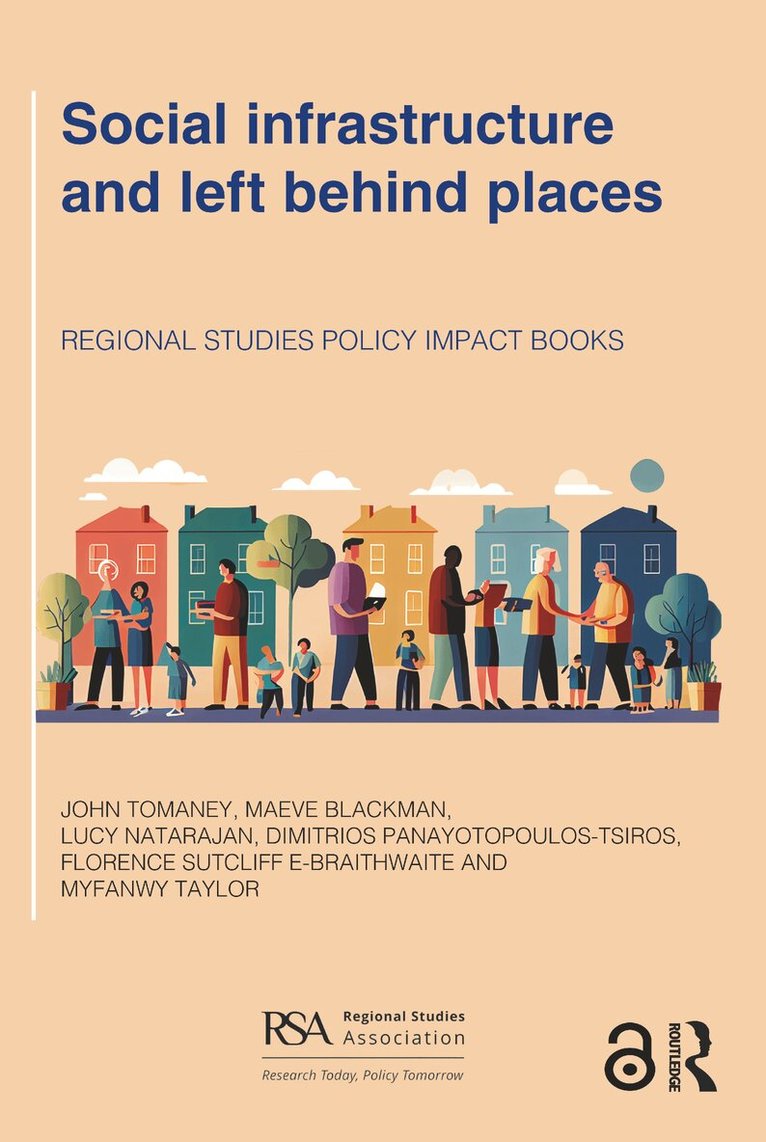
Social infrastructure and left behind places
Av John Tomaney, Maeve Blackman m. fl.
Häftad, 2024
515 kr
Lägg i varukorg
This book explores the making, unmaking and remaking of social infrastructure in ‘left-behind places’. Such places, typically once flourishing industrial communities that have been excluded from recent economic growth, now attract academic and policy attention as sites of a political backlash …
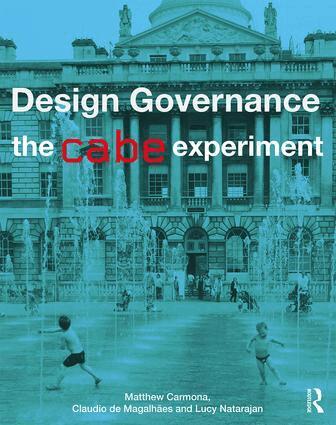
Design Governance
The CABE Experiment
Av Matthew Carmona, Claudio De Magalhaes m. fl.
Inbunden, 2017
3147 kr
Lägg i varukorg
Design Governance focuses on how we design the built environment where most of us live, work, and play and the role of government in that process. To do so, it draws on the experience of the Commission for Architecture and the Built Environment (CABE), a decade-long, globally unique experiment in …
Design Governance
The CABE Experiment
Av Lucy Natarajan, Claudio De Magalhaes m. fl.
E-bok, 2016
1338 kr
Lägg i varukorg
Design Governance focuses on how we design the built environment where most of us live, work, and play and the role of government in that process. To do so, it draws on the experience of the Commission for Architecture and the Built Environment (CABE), a decade-long, globally unique experiment in …
Design Governance
The CABE Experiment
Av Lucy Natarajan, Claudio De Magalhaes m. fl.
E-bok, 2016
1338 kr
Lägg i varukorg
Design Governance focuses on how we design the built environment where most of us live, work, and play and the role of government in that process. To do so, it draws on the experience of the Commission for Architecture and the Built Environment (CABE), a decade-long, globally unique experiment in …
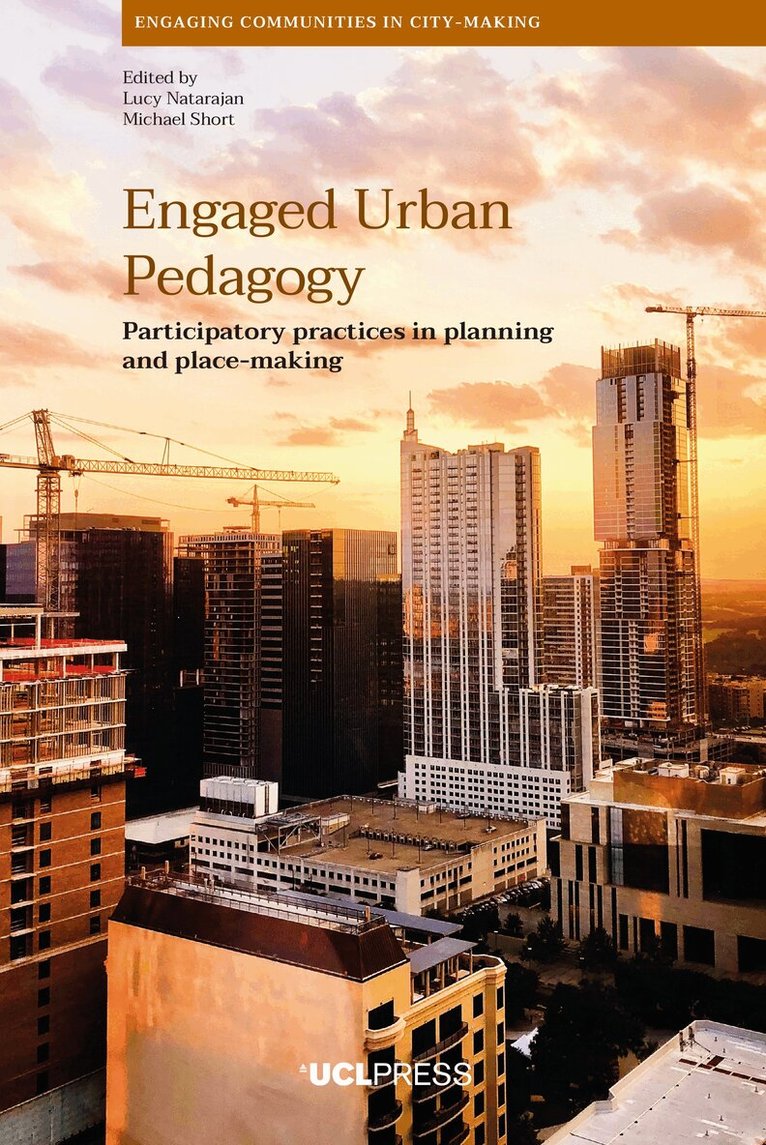
Engaged Urban Pedagogy
Participatory Practices in Planning and Place-Making
Av Lucy Natarajan, Michael Short
Häftad, 2023
514 kr
Lägg i varukorg
Design Governance
The CABE Experiment
Av Matthew Carmona, Claudio De Magalhaes m. fl.
Häftad, 2017
754 kr
Tillfälligt slut
Design Governance focuses on how we design the built environment where most of us live, work, and play and the role of government in that process. To do so, it draws on the experience of the Commission for Architecture and the Built Environment (CABE), a decade-long, globally unique experiment in …