
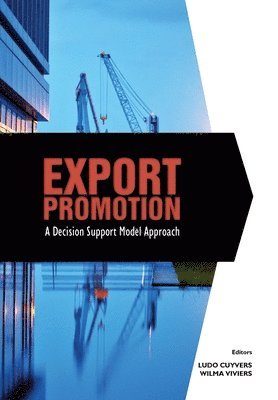
Häftad, Engelska, 2012
310 kr
Skickas inom 5-8 vardagar
310 kr
Skickas inom 5-8 vardagar
796 kr
Läs direkt efter köp
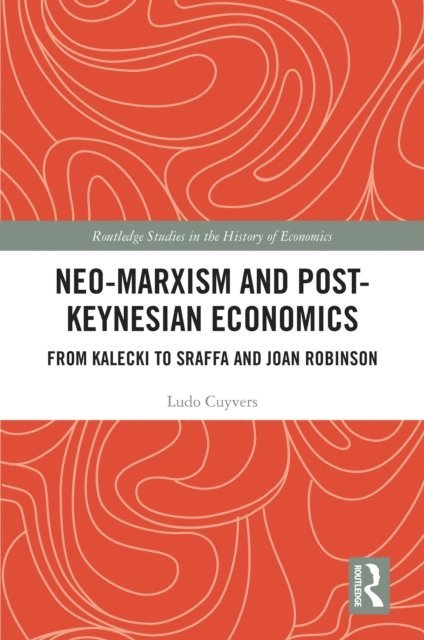
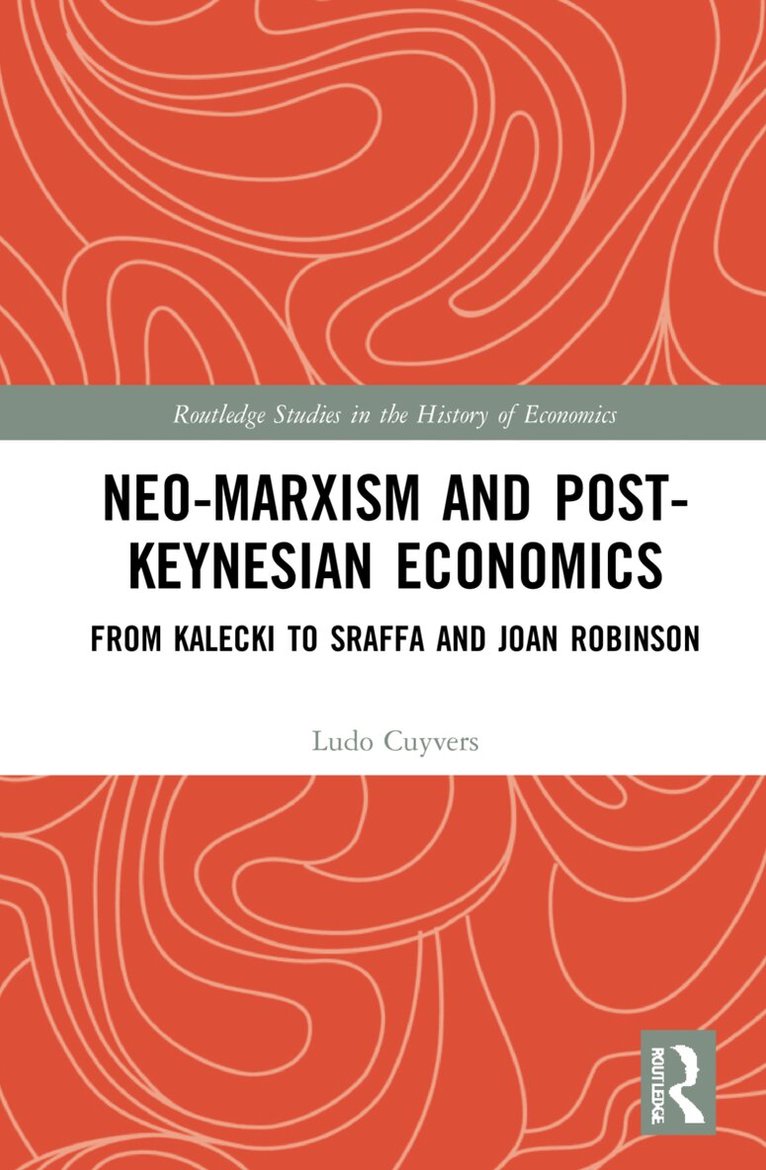
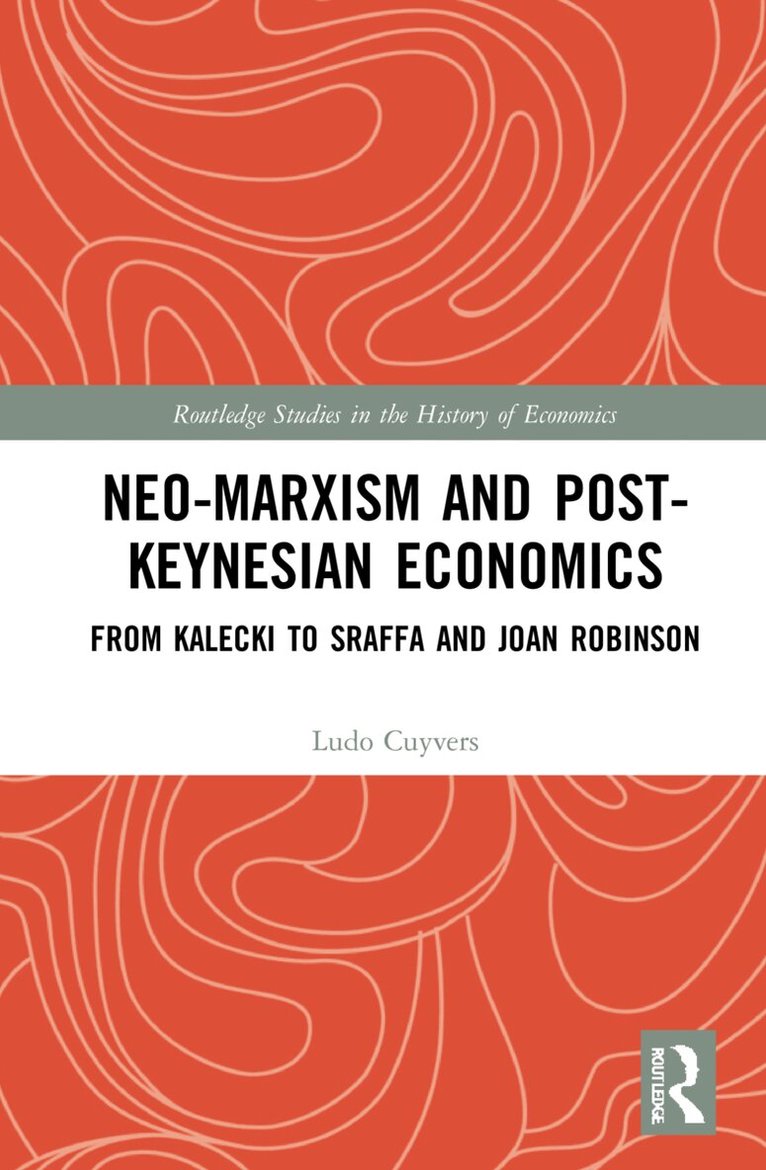
Piero Sraffa and Joan Robinson, both iconic Cambridge economists, were highly influenced by the economic theory of Karl Marx, and integrated important elements of Marx’s economic system into their theories. This book argues, based on published and unpublished documents, that the work of Sraffa and Robinson can in fact be considered as essentially post-Keynesian neo-Marxist.
The first part of the book reviews the intellectual development of several key thinkers to this neo-Marxist current in economic thought: Kalecki, Steindl, Baran and Sweezy. Part One and Part Two separately examine Robinson and Sraffa’s works and questions how they fit into this specific neo-Marxist current, either building on it (in Robinson’s case), or following another direction (in Sraffa’s case). Part Three observes Robinson’s theory of economic growth and its relationship to the views of Marx and Kalecki. Overall, Cuyvers demonstrates how their thought processes share characteristics with neo-Marxist key ideological ideas, such as stating or implying the labour theory of value as either redundant or wrong, emphasising the role of class struggle in the distribution of income and rejecting Marx’s falling rate of profits. Following on from ideas briefly introduced in Cuyvers’s Economic Ideas of Marx’s Capital (2017), this book will particularly appeal to readers interested in the history of economic thought, the work of Sraffa, Robinson and Marx, post-Keynesian economics and neo-Marxism.
796 kr
Läs direkt efter köp
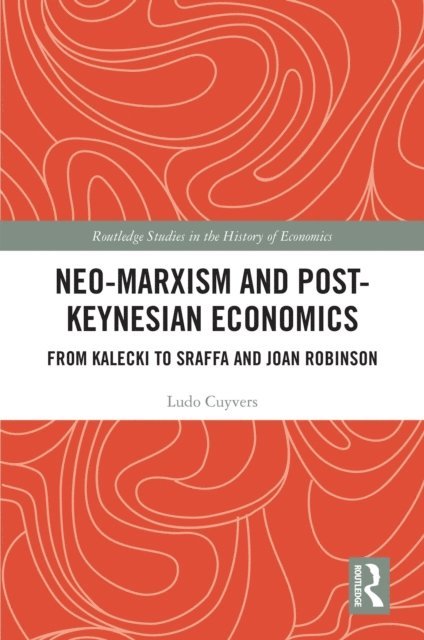
Piero Sraffa and Joan Robinson, both iconic Cambridge economists, were highly influenced by the economic theory of Karl Marx, and integrated important elements of Marx’s economic system into their theories. This book argues, based on published and unpublished documents, that the work of Sraffa and Robinson can in fact be considered as essentially post-Keynesian neo-Marxist.
The first part of the book reviews the intellectual development of several key thinkers to this neo-Marxist current in economic thought: Kalecki, Steindl, Baran and Sweezy. Part One and Part Two separately examine Robinson and Sraffa’s works and questions how they fit into this specific neo-Marxist current, either building on it (in Robinson’s case), or following another direction (in Sraffa’s case). Part Three observes Robinson’s theory of economic growth and its relationship to the views of Marx and Kalecki. Overall, Cuyvers demonstrates how their thought processes share characteristics with neo-Marxist key ideological ideas, such as stating or implying the labour theory of value as either redundant or wrong, emphasising the role of class struggle in the distribution of income and rejecting Marx’s falling rate of profits. Following on from ideas briefly introduced in Cuyvers’s Economic Ideas of Marx’s Capital (2017), this book will particularly appeal to readers interested in the history of economic thought, the work of Sraffa, Robinson and Marx, post-Keynesian economics and neo-Marxism.
2 542 kr
Skickas inom 10-15 vardagar
700 kr
Skickas inom 10-15 vardagar
759 kr
Skickas inom 10-15 vardagar
2 468 kr
Skickas inom 10-15 vardagar
890 kr
Läs direkt efter köp
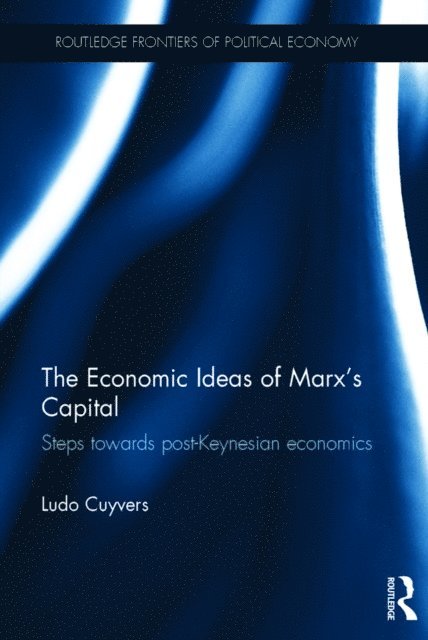
Nearly two hundred years have passed since the birth of Karl Marx and continuing to this day the influence of his economic views, insights and theories can still be felt. However, since the publication of Das Kapital, the scientific community has not been sitting idle – it is time to evaluate Marx as an economist and explore what he can bring to modern economic thinking, particularly post-Keynesian economics.
Starting with Marx’s schemes of reproduction, which, it is shown, are the basis of the linear model of production as used since the 1960s by Piero Sraffa, Michio Morishima and others, the book reviews and assesses Marx’s major economic theses. These include: the labour theory of value; accumulation and technical change and its impact on labour; the concept of unproductive labour; the tendential falling rate of profits; the evolution and determinants of the share of wages in national income; as well as short-run and long-run economic dynamics. The Economic Ideas of Marx''s Capital updates the theses of the labour theory of value and the conditions for balanced growth using the recent scholarly literature, and also further develops issues related to Marx’s concept of productive labour. Moreover, the book analyses the intellectual relationship of Marx’s economic theory with post-Keynesian neo-Marxism, particularly in the writings of Michal Kalecki, Joan Robinson and others. By doing so, the book shows the need and possibilities of integrating major insights of Marxist and post-Keynesian theory.
This volume will be of interest to those who wish to explore Marx’s economic theories through a non-ideological approach, as well as students of Marxist economics, post-Keynesian economics and the history of economic thought.
890 kr
Läs direkt efter köp
Nearly two hundred years have passed since the birth of Karl Marx and continuing to this day the influence of his economic views, insights and theories can still be felt. However, since the publication of Das Kapital, the scientific community has not been sitting idle – it is time to evaluate Marx as an economist and explore what he can bring to modern economic thinking, particularly post-Keynesian economics.
Starting with Marx’s schemes of reproduction, which, it is shown, are the basis of the linear model of production as used since the 1960s by Piero Sraffa, Michio Morishima and others, the book reviews and assesses Marx’s major economic theses. These include: the labour theory of value; accumulation and technical change and its impact on labour; the concept of unproductive labour; the tendential falling rate of profits; the evolution and determinants of the share of wages in national income; as well as short-run and long-run economic dynamics. The Economic Ideas of Marx''s Capital updates the theses of the labour theory of value and the conditions for balanced growth using the recent scholarly literature, and also further develops issues related to Marx’s concept of productive labour. Moreover, the book analyses the intellectual relationship of Marx’s economic theory with post-Keynesian neo-Marxism, particularly in the writings of Michal Kalecki, Joan Robinson and others. By doing so, the book shows the need and possibilities of integrating major insights of Marxist and post-Keynesian theory.
This volume will be of interest to those who wish to explore Marx’s economic theories through a non-ideological approach, as well as students of Marxist economics, post-Keynesian economics and the history of economic thought.
2 314 kr
Skickas inom 5-8 vardagar