Ludwig Eichinger - Böcker
Visar alla böcker från författaren Ludwig Eichinger. Handla med fri frakt och snabb leverans.
9 produkter
9 produkter
1 577 kr
Skickas inom 10-15 vardagar
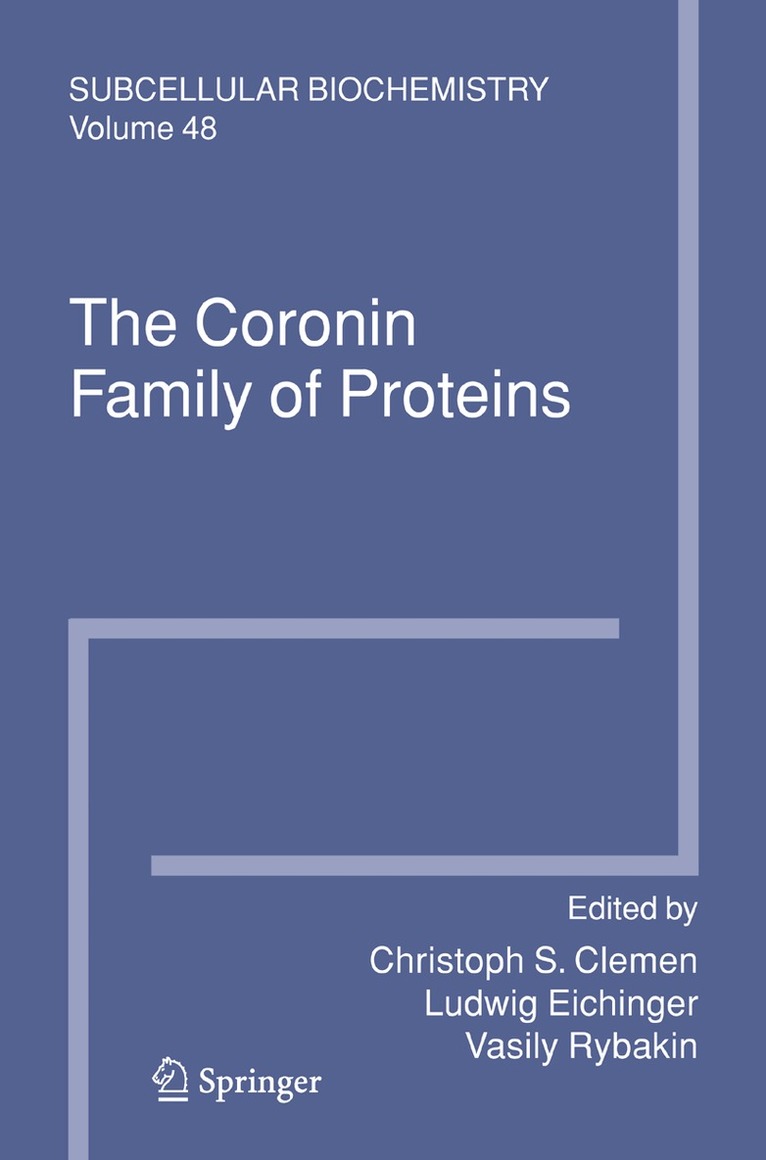
The Coronin Family of Proteins Christoph S. Clemen,* Vasily Rybakin and Ludwig Eichinger he coronins, first described in Dictyostelium discoideum in 1991, have meanwhile been detected in all eukaryotes except plants. They belong to the superfamily of WD40-repeat Tproteins and represent a large family of proteins, which are often involved in cytoskeletal functions. Phylogenetic studies clearly distinguish 12 subfamilies of which six exclusively occur in vertebrates. In the present book we have made a sincere attempt to provide a comprehensive overview on all aspects of coronin proteins including history, structure, subcellular localization and function in different organisms. In addition, we also included a general overview on the WD40 family of proteins and the structurally related Kelch family. The book should be of interest for scientists outside the field, but is more importantly intended as a fast and competent guide for newcomers as well as doctoral and postdoctoral scientists to coronin research in all its facets. The book is divided into four major sections.It provides in the first part an introduction into two superfamilies of proteins with p-propellers, the WD40- and the Kelch-family. Lynn Cooley and Andrew M. Hudson provide evidence that the WD40- and Kelch-repeat families most likely did Figure 1. Condensed phylogenetic tree of the coronin protein family. The tree constitutes the basis of a new nomenclature and shows the evolutionary relationship of the twelve coronin subfamilies {CRN1-CRN12). See also chapter 11-2 by Reginald O. Morgan and M. Pilar Fernandez.
1 624 kr
Skickas inom 10-15 vardagar
The Coronin Family of Proteins Christoph S. Clemen,* Vasily Rybakin and Ludwig Eichinger he coronins, first described in Dictyostelium discoideum in 1991, have meanwhile been detected in all eukaryotes except plants. They belong to the superfamily of WD40-repeat Tproteins and represent a large family of proteins, which are often involved in cytoskeletal functions. Phylogenetic studies clearly distinguish 12 subfamilies of which six exclusively occur in vertebrates. In the present book we have made a sincere attempt to provide a comprehensive overview on all aspects of coronin proteins including history, structure, subcellular localization and function in different organisms. In addition, we also included a general overview on the WD40 family of proteins and the structurally related Kelch family. The book should be of interest for scientists outside the field, but is more importantly intended as a fast and competent guide for newcomers as well as doctoral and postdoctoral scientists to coronin research in all its facets. The book is divided into four major sections.It provides in the first part an introduction into two superfamilies of proteins with p-propellers, the WD40- and the Kelch-family. Lynn Cooley and Andrew M. Hudson provide evidence that the WD40- and Kelch-repeat families most likely did Figure 1. Condensed phylogenetic tree of the coronin protein family. The tree constitutes the basis of a new nomenclature and shows the evolutionary relationship of the twelve coronin subfamilies {CRN1-CRN12). See also chapter 11-2 by Reginald O. Morgan and M. Pilar Fernandez.
1 169 kr
Skickas inom 10-15 vardagar
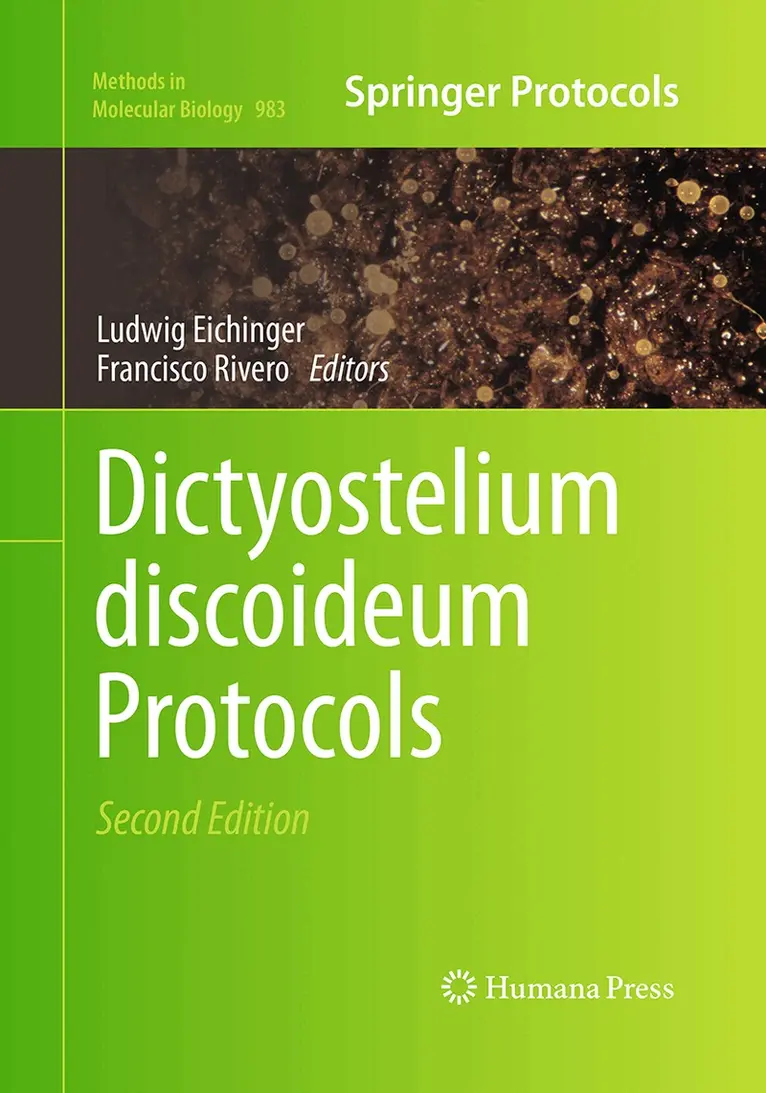
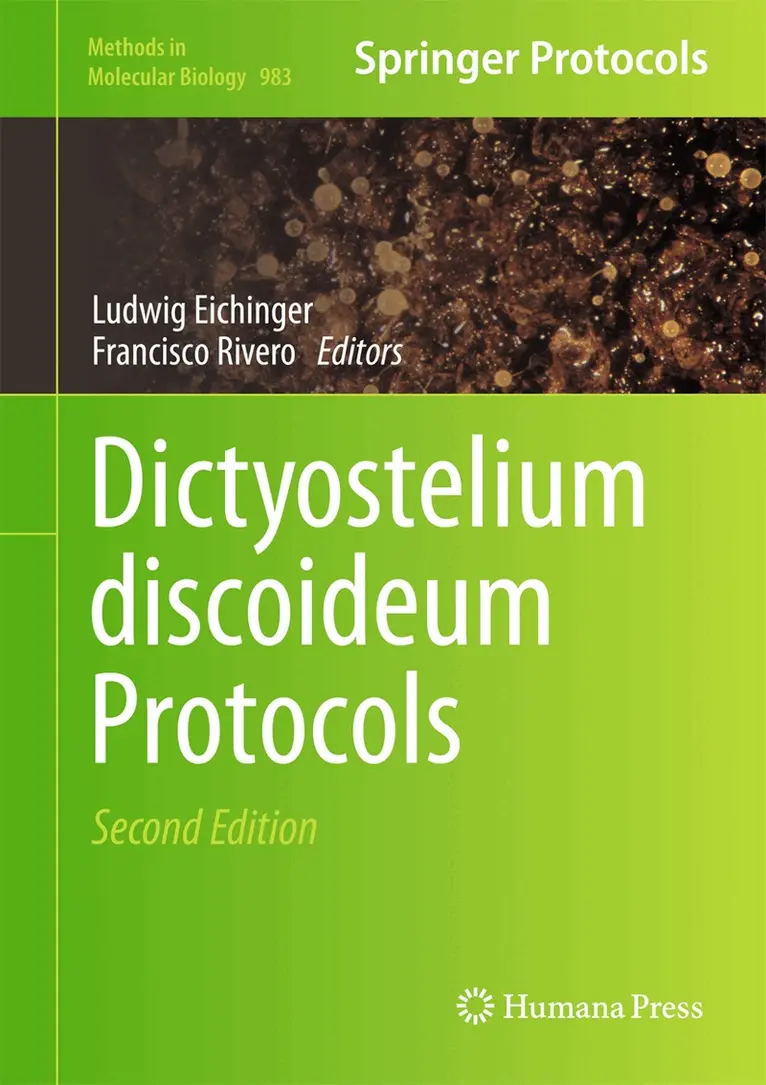
Dictyostelium discoideum is a well-establish eukaryotic model organism that offers unique advantages for studying fundamental cellular processes, including signal transduction, random and directed cell motility, cytokinesis, endocytosis and vesicle transport and development. Dictyostelium is also increasingly used for the investigation of human disease genes and the crosstalk between host and pathogen. The availability of the genome sequence at a mouse click together with a whole range of supporting information and resources along with a powerful armoury of molecular genetics techniques have considerably enhanced the experimental attractiveness of D. discoideum in recent years. The second edition of Dictyostelium discoideum Protocols incorporates the most recent developments in a number of fields. The book is divided into four parts. The first part provides an introduction to the amoebozoa and community resources. The second part presents large-scale analysis methods made possible by the completion of the Dictyostelium genome sequence. The third part is dedicated to molecular genetics techniques, cell biological, biochemical and biophysical methods. The chapters in the fourth part describe the use of Dictyostelium as a model system to study vesicle formation, trafficking and infection by bacterial pathogens. Written in the highly successful Methods in Molecular Biology™ series format, chapters include introductions to their respective topics, lists of the necessary materials and reagents, step-by-step, readily reproducible laboratory protocols, and key tips on troubleshooting and avoiding known pitfalls.Authoritative and practical, Dictyostelium discoideum Protocols, Second Edition seeks to aid scientists in the application of innovating techniques to study a range of fundamental biological processes in this attractive model organism.
2 100 kr
Skickas inom 10-15 vardagar
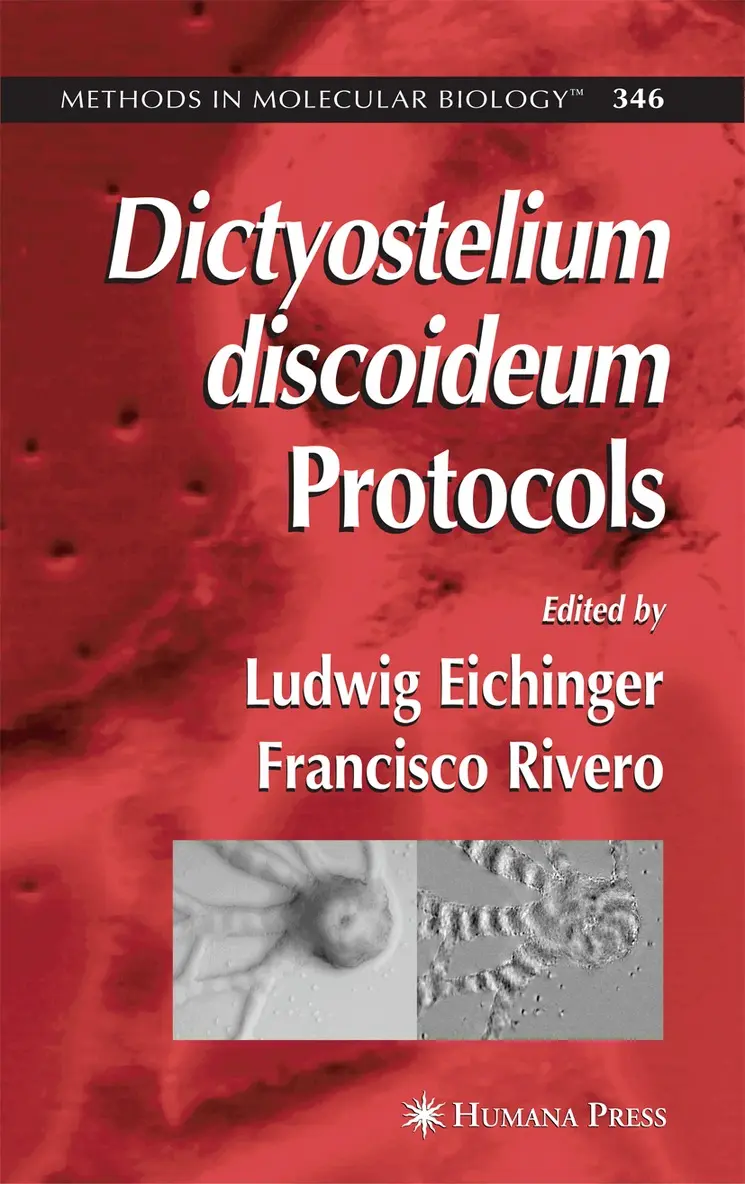
Dictyostelium discoideum is a simple but fascinating eukaryotic microorg- ism, whose natural habitat is deciduous forest soil and decaying leaves, where the amoebae feed on bacteria and grow as independent single cells. Exhaustion of the bacterial food source triggers a developmental program, in which up to 100,000 cells aggregate by chemotaxis towards cAMP. Morphogenesis and cell different- tion then culminate in the production of spores enabling the organism to survive unfavorable conditions. Dictyostelium offers unique advantages for studying f- damental cellular processes with the aid of powerful molecular genetic, bioche- cal, and cell biological tools. These processes include signal transduction, chemotaxis, cell motility, cytokinesis, phagocytosis, and aspects of development such as cell sorting, pattern formation and cell type differentiation. Recently, D- tyostelium was also described as a suitable host for pathogenic bacteria in which one can conveniently study the process of infection. In addition, Dictyostelium has many of the experimental conveniences of Saccharomyces cerevisiae and is pr- ably the best experimentally manipulatable protozoan, providing insight into this diverse group of organisms, which includes some of the most dangerous human parasites. The recent completion of the Dictyostelium genome sequencing project strengthens the position of D. discoideum as a model organism. The completed genome sequence and other valuable community resources constitute the source for basic biological and biomedical research and for genome-wide analyses.
2 100 kr
Skickas inom 10-15 vardagar
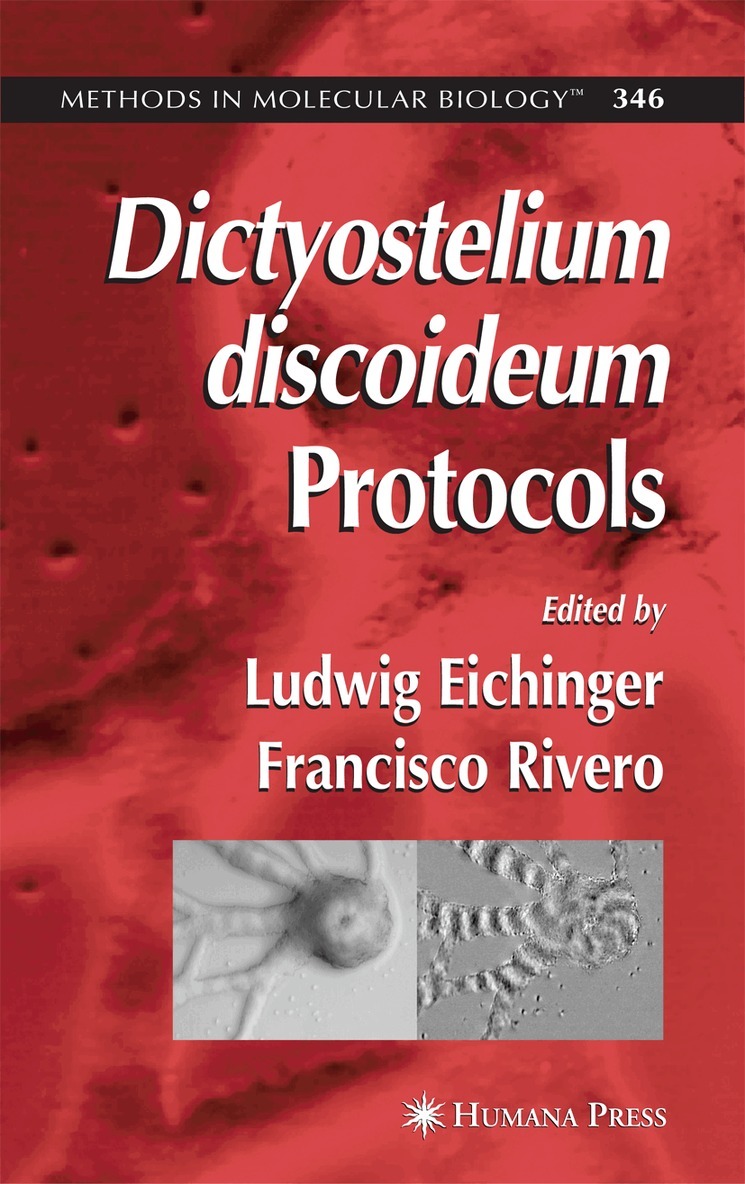
Dictyostelium discoideum Protocols presents a comprehensive collection of cutting-edge molecular biological protocols for studying D. discoideum, with emphasis on its utility in the study of fundamental cellular processes including signal transduction, chemotaxis, cell motility, cytokinesis, phagocytosis, and aspects of development such as cell sorting, pattern formation, and cell type differentiation. Written by experts in the field, this important guide provides easy access to current methods and techniques for the study of D. discoideum. For the newcomer to the field, it offers a complete and inclusive introduction to this important model organism. The book is divided into four main parts, which include an introduction to the organism that provides integral community resources and genome-wide approaches; basic methods and available molecular genetic techniques for study of the organism; imaging and localization methods; and a discussion of D. discoideum, with emphasis on its unique advantages as a model system. This in-depth guide provides a complete introduction to and thorough handbook for the study of D. discoideum, including a discussion of the implications of the recently-completed Dictyostelium genome project in strengthening the position of D.discoideum as a model organism for studying fundamental cell processes and aspects of development. Researchers at all levels of experience will benefit from the presentations throughout of the most current, useful and innovative techniques for the study of D. discoideum from leading Dictyostelium scientists.
1 577 kr
Skickas inom 10-15 vardagar
Dictyostelium discoideum is a well-establish eukaryotic model organism that offers unique advantages for studying fundamental cellular processes, including signal transduction, random and directed cell motility, cytokinesis, endocytosis and vesicle transport and development. Dictyostelium is also increasingly used for the investigation of human disease genes and the crosstalk between host and pathogen. The availability of the genome sequence at a mouse click together with a whole range of supporting information and resources along with a powerful armoury of molecular genetics techniques have considerably enhanced the experimental attractiveness of D. discoideum in recent years. The second edition of Dictyostelium discoideum Protocols incorporates the most recent developments in a number of fields. The book is divided into four parts. The first part provides an introduction to the amoebozoa and community resources. The second part presents large-scale analysis methods made possible by the completion of the Dictyostelium genome sequence. The third part is dedicated to molecular genetics techniques, cell biological, biochemical and biophysical methods. The chapters in the fourth part describe the use of Dictyostelium as a model system to study vesicle formation, trafficking and infection by bacterial pathogens. Written in the highly successful Methods in Molecular Biology™ series format, chapters include introductions to their respective topics, lists of the necessary materials and reagents, step-by-step, readily reproducible laboratory protocols, and key tips on troubleshooting and avoiding known pitfalls.Authoritative and practical, Dictyostelium discoideum Protocols, Second Edition seeks to aid scientists in the application of innovating techniques to study a range of fundamental biological processes in this attractive model organism.
Del 2014 - Jahrbuch Des Instituts Für Deutsche Sprache
Sprachwissenschaft im Fokus
Inbunden, Tyska, 2015
1 429 kr
Skickas inom 7-10 vardagar
1 429 kr
Skickas inom 7-10 vardagar
Neues vom heutigen Deutsch – das sind zum einen neue Erscheinungen und neue Verwendungsweisen, die sich im Sprachgebrauch der letzten Jahre zeigen. Neben ihrer Bandbreite im gesprochenen Deutsch und in spezifischen Kontexten oder in verschiedenen Teilen des deutschen Sprachgebiets geht es auch um die damit verbundenen Einstellungen in der Öffentlichkeit, ihre Folgen für die Identität und um entsprechende Normvorstellungen. Grundsätzlichere Fragen medial üblicher und angemessener Kommunikation stellen sich auch bei dem Neuen, das die Kommunikation in und um das Internet mit sich bringt. Zum anderen geht es um neue Methoden innerhalb der Sprachwissenschaft. Seit sich die Sprachwissenschaft bei ihrer empirischen Arbeit auf große Datenmengen, auf elektronisch auswertbare Korpora geschriebener Sprache und gesprochener Interaktion stützen kann, sind die Entwicklungen des Sprachgebrauchs der Forschung noch zugänglicher geworden. Neues vom heutigen Deutsch sind also, neben den so ermittelten Ergebnissen, auch die damit verbundenen methodischen Diskussionen und Entwicklungen, die es erlauben, theoretische Annahmen anhand einer genaueren Datengrundlage neu zu diskutieren.
1 654 kr
Skickas inom 7-10 vardagar