Luis de Molina – författare
Visar alla böcker från författaren Luis de Molina. Handla med fri frakt och snabb leverans.
8 produkter
8 produkter
Inbunden, Engelska, 1988
683 kr
Skickas inom 10-15 vardagar
Luis de Molina was a leading figure in the remarkable sixteenth-century revival of Scholasticism on the Iberian peninsula. Molina is best known for his innovative theory of middle knowledge. Alfred J. Freddoso's extensive introductory essay clears up common misconceptions about Molina's theory, defends it against both philosophical and theological objections, and makes it accessible to contemporary readers.
Häftad, Engelska, 2004
507 kr
Skickas inom 10-15 vardagar
Luis de Molina was a leading figure in the remarkable sixteenth-century revival of Scholasticism on the Iberian peninsula. Molina is best known for his innovative theory of middle knowledge. Alfred J. Freddoso's extensive introductory essay clears up common misconceptions about Molina's theory, defends it against both philosophical and theological objections, and makes it accessible to contemporary readers.
Inbunden, Engelska, 2024
759 kr
Skickas inom 5-8 vardagar
In his monumental On Justice and Rights, the Jesuit Luis de Molina (1535-1600) discussed the legal and ethical aspects of the Portuguese trade in African and Asian enslaved persons. Molina surveys, develops, and problematizes the criteria necessary for the legitimate possession, sale, and purchase of human freedom. He insists that, even under legally valid slavery, persons who have sold or lost their freedom have inalienable rights as human beings, such as the freedom to make contracts, to marry, and even, under certain circumstances, to sue their owners in court. Molina also devotes attention to the ways in which slavery could be ended and whether and under what circumstances slaves had the right to escape from their owners. Well informed about the political structures and customs of many peoples in Africa, as well as Japan, China, and India, Molina paints a vivid and detailed picture of Portuguese trade. He gives specific accounts of the origins and development of the slave trade, region by region, and of the nature of the relationship between local rulers and the Portuguese kingdom. In doing so, he carefully describes the deception, coercion, and general indifference that pervades this trade regarding the rights to freedom of these people. It also attempts to identify the political, ecclesiastical, and market agents involved in this great injustice and their varying degrees of culpability. While Molina does not condemn slavery as a legal institution, the deeply flawed and even immoral behavior of sellers, buyers, regulators, and political rulers both in Portugal and in the slave-supplying regions that Molina denounces casts a heavy shadow on the morality of the trade.
455 kr
Skickas inom 5-8 vardagar
Inbunden, Latin, 2023
468 kr
Skickas inom 5-8 vardagar
345 kr
Skickas inom 5-8 vardagar
Häftad, Latin, 2023
362 kr
Skickas inom 5-8 vardagar
E-bok
PDF, Tyska, 2018408 kr
Läs direkt efter köp
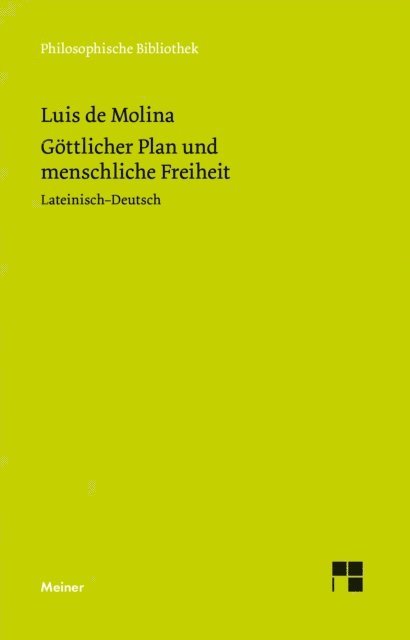
Der spanische Spätscholastiker Luis de Molina entwickelt in seinem berühmten Hauptwerk, der Concordia, eine umfassende Theorie der Vereinbarkeit göttlicher Vorsehung und Allwissenheit mit menschlicher Freiheit. Unter seinen Anhängern wie Gegnern gilt Molinas Ansatz bis heute als einer der ingeniösesten und scharfsinnigsten Versuche zum Thema Willensfreiheit, die je in der Geschichte der Philosophie und Theologie entwickelt wurden. Doch schon zu Molinas Lebzeiten löste er heftigste philosophische und theologische Kontroversen aus. Sie kulminierten in dem berühmten Gnadenstreit, der mit seiner Zuspitzung der Frage nach der Existenz und Reichweite menschlicher Handlungs- und Entscheidungsfreiheit eine maßgebliche Rolle im Übergang zur Neuzeit spielen sollte.Molinas Theorie der scientia media zufolge weiß Gott durch dieses »Mittlere Wissen« bereits in der Schöpfungssituation – d. h. unabhängig davon, ob etwas außer ihm existiert – von jedem auch nur möglichen freien menschlichen Wesen, für welche Handlung es sich in jeder möglichen Entscheidungssituation aus freien Stücken entscheiden würde. Unter anderem mit diesem Wissen, so Molinas These, entscheidet Gott sich für die Aktualisierung einer bestimmten möglichen Welt. Gleichwohl sind (zumindest viele) menschliche Handlungen frei, denn sie sind laut Molina weder kausal durch Naturvorgänge oder göttliches Eingreifen noch durch göttliche Vorsehung oder göttliches Vorauswissen determiniert.Mit der Disputatio 52 bietet der Band ein Schlüsselkapitel der Concordia im lateinischen Originaltext sowie erstmals in deutscher Übersetzung.