Luis Schiumerini – författare
Visar alla böcker från författaren Luis Schiumerini. Handla med fri frakt och snabb leverans.
6 produkter
6 produkter
E-bok
Engelska, 20191 287 kr
Läs direkt efter köp
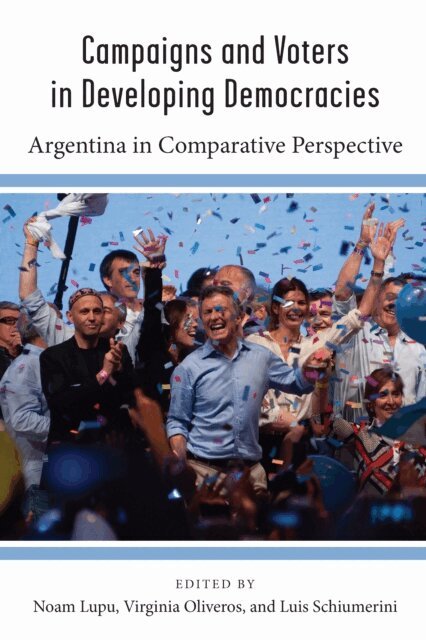
Voting behavior is informed by the experience of advanced democracies, yet the electoral context in developing democracies is significantly different. Civil society is often weak, poverty and inequality high, political parties ephemeral and attachments to them weak, corruption rampant, and clientelism widespread. Voting decisions in developing democracies follow similar logics to those in advanced democracies in that voters base their choices on group affiliation, issue positions, valence considerations, and campaign persuasion. Yet developing democracies differ in the weight citizens assign to these considerations. Where few social identity groups are politically salient and partisan attachments are sparse, voters may place more weight on issue voting. Where issues are largely absent from political discourse, valence considerations and campaign effects play a larger role. Campaigns and Voters in Developing Democracies develops a theoretical framework to specify why voter behavior differs across contexts.
Inbunden, Engelska, 2019
1 171 kr
Skickas inom 5-8 vardagar
Voting behavior is informed by the experience of advanced democracies, yet the electoral context in developing democracies is significantly different. Civil society is often weak, poverty and inequality high, political parties ephemeral and attachments to them weak, corruption rampant, and clientelism widespread. Voting decisions in developing democracies follow similar logics to those in advanced democracies in that voters base their choices on group affiliation, issue positions, valence considerations, and campaign persuasion. Yet developing democracies differ in the weight citizens assign to these considerations. Where few social identity groups are politically salient and partisan attachments are sparse, voters may place more weight on issue voting. Where issues are largely absent from political discourse, valence considerations and campaign effects play a larger role. Campaigns and Voters in Developing Democracies develops a theoretical framework to specify why voter behavior differs across contexts.
Inbunden, Engelska, 2025
1 217 kr
Skickas inom 7-10 vardagar
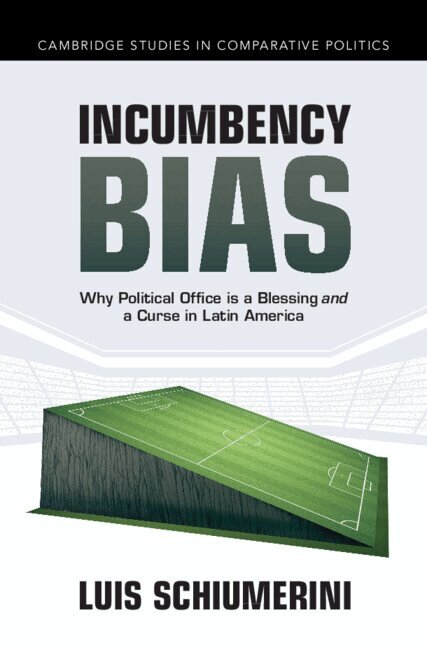
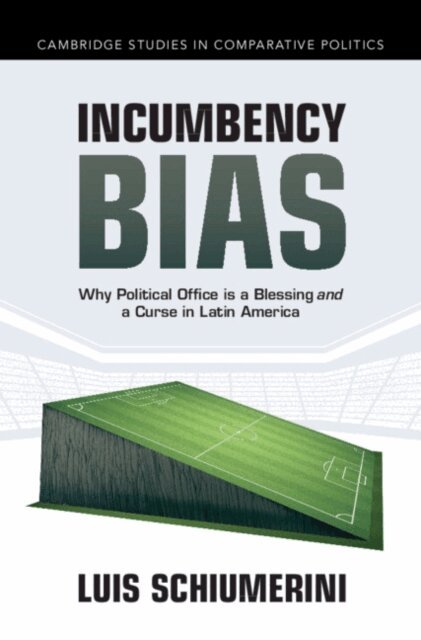
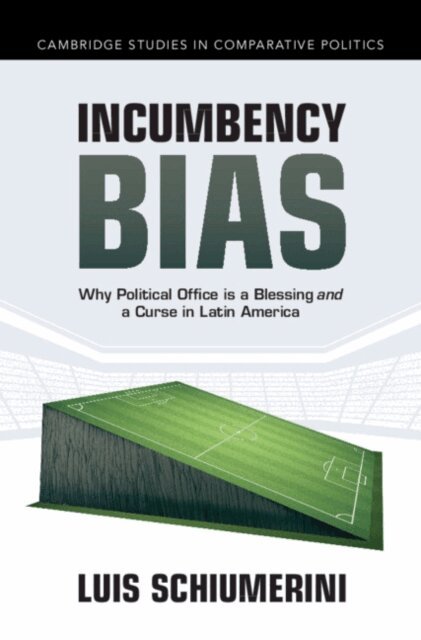
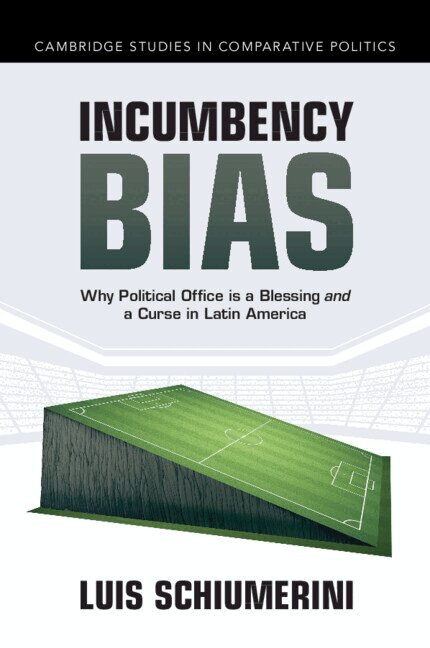
The conventional wisdom in political science is that incumbency provides politicians with a massive electoral advantage. This assumption has been challenged by the recent anti-incumbent cycle. When is incumbency a blessing for politicians and when is it a curse? Incumbency Bias offers a unified theory that argues that democratic institutions will make incumbency a blessing or curse by shaping the alignment between citizens' expectations of incumbent performance and incumbents' capacity to deliver. This argument is tested through a comparative investigation of incumbency bias in Brazil, Argentina and Chile that draws on extensive fieldwork and an impressive array of experimental and observational evidence. Incumbency Bias demonstrates that rather than clientelistic or corrupt elites compromising accountability, democracy can generate an uneven playing field if citizens demand good governance but have limited information. While focused on Latin America, this book carries broader lessons for understanding the electoral returns to office around the world.
491 kr
Läs direkt efter köp
E-bok
PDF, Engelska, 2025491 kr
Läs direkt efter köp
Häftad, Engelska, 2025
424 kr
Skickas inom 7-10 vardagar
The conventional wisdom in political science is that incumbency provides politicians with a massive electoral advantage. This assumption has been challenged by the recent anti-incumbent cycle. When is incumbency a blessing for politicians and when is it a curse? Incumbency Bias offers a unified theory that argues that democratic institutions will make incumbency a blessing or curse by shaping the alignment between citizens' expectations of incumbent performance and incumbents' capacity to deliver. This argument is tested through a comparative investigation of incumbency bias in Brazil, Argentina and Chile that draws on extensive fieldwork and an impressive array of experimental and observational evidence. Incumbency Bias demonstrates that rather than clientelistic or corrupt elites compromising accountability, democracy can generate an uneven playing field if citizens demand good governance but have limited information. While focused on Latin America, this book carries broader lessons for understanding the electoral returns to office around the world.