Lukasz Olejnik - Böcker
Visar alla böcker från författaren Lukasz Olejnik. Handla med fri frakt och snabb leverans.
4 produkter
4 produkter
1 569 kr
Skickas inom 10-15 vardagar
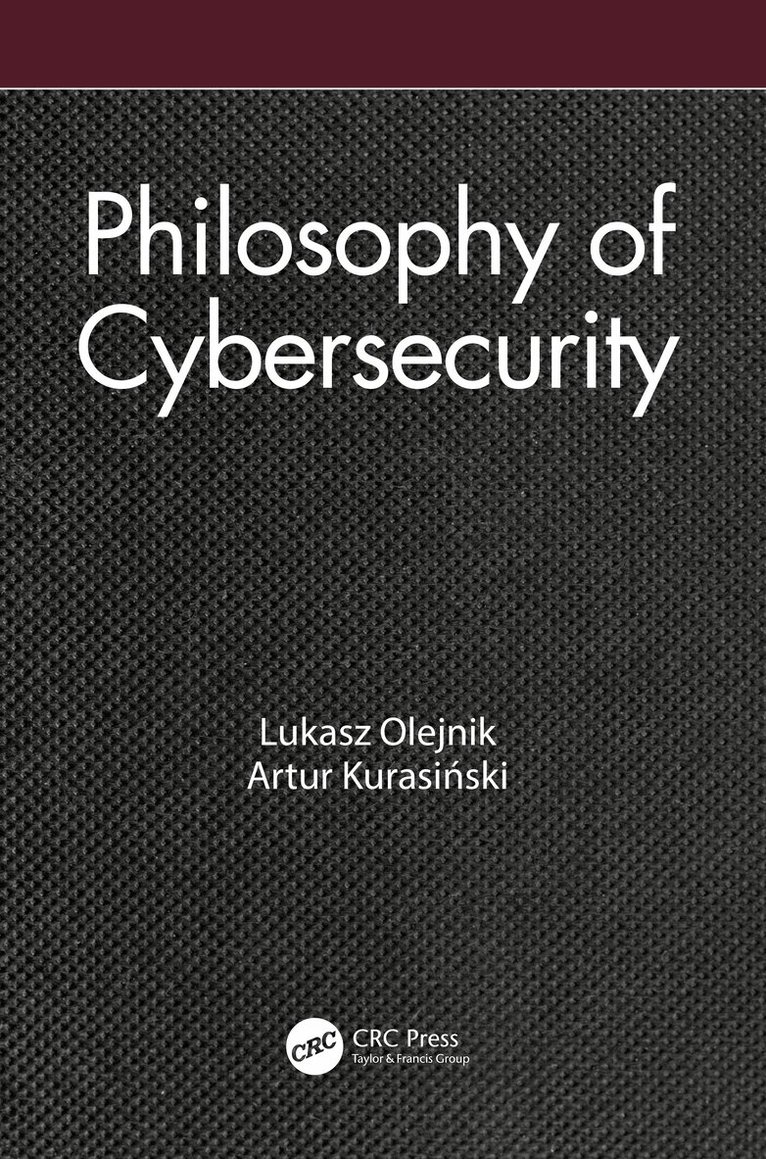
Technology and digitization are a great social good. But they also involve risks and threats. Cybersecurity is not just a matter of data or computer security; cybersecurity is about the security of society.Why "Philosophy"? To understand how to reason and think about threats and cybersecurity in today’s and tomorrow’s world, this book is necessary to equip readers with awareness. Philosophy of Cybersecurity is about the user’s perspective, but also about system issues.This is a book for everyone—a wide audience. Experts, academic lecturers, as well as students of technical fields such as computer science and social sciences will find the content interesting. This includes areas like international relations, diplomacy, strategy, and security studies. Cybersecurity is also a matter of state strategy and policy.The clarity and selection of broad material presented here may make this book the first book on cybersecurity you’ll understand.It considers such detailed basics as, for example, what a good password is and, more importantly, why it is considered so today. But the book is also about systemic issues, such as healthcare cybersecurity (challenges, why is it so difficult to secure, could people die as a result of cyberattacks?), critical infrastructure (can a cyberattack destroy elements of a power system?), and States (have they already been hacked?).Cyberspace is not a "grey zone" without rules. This book logically explains what cyberwar is, whether it threatens us, and under what circumstances cyberattacks could lead to war. The chapter on cyberwar is relevant because of the war in Ukraine. The problem of cyberwar in the war in Ukraine is analytically and expertly explained. The rank and importance of these activities are explained, also against the background of broader military activities.The approach we propose treats cybersecurity very broadly. This book discusses technology, but also ranges to international law, diplomacy, military, and security matters, as they pertain to conflicts, geopolitics, political science, and international relations.
659 kr
Skickas inom 10-15 vardagar
Technology and digitization are a great social good. But they also involve risks and threats. Cybersecurity is not just a matter of data or computer security; cybersecurity is about the security of society.Why "Philosophy"? To understand how to reason and think about threats and cybersecurity in today’s and tomorrow’s world, this book is necessary to equip readers with awareness. Philosophy of Cybersecurity is about the user’s perspective, but also about system issues.This is a book for everyone—a wide audience. Experts, academic lecturers, as well as students of technical fields such as computer science and social sciences will find the content interesting. This includes areas like international relations, diplomacy, strategy, and security studies. Cybersecurity is also a matter of state strategy and policy.The clarity and selection of broad material presented here may make this book the first book on cybersecurity you’ll understand.It considers such detailed basics as, for example, what a good password is and, more importantly, why it is considered so today. But the book is also about systemic issues, such as healthcare cybersecurity (challenges, why is it so difficult to secure, could people die as a result of cyberattacks?), critical infrastructure (can a cyberattack destroy elements of a power system?), and States (have they already been hacked?).Cyberspace is not a "grey zone" without rules. This book logically explains what cyberwar is, whether it threatens us, and under what circumstances cyberattacks could lead to war. The chapter on cyberwar is relevant because of the war in Ukraine. The problem of cyberwar in the war in Ukraine is analytically and expertly explained. The rank and importance of these activities are explained, also against the background of broader military activities.The approach we propose treats cybersecurity very broadly. This book discusses technology, but also ranges to international law, diplomacy, military, and security matters, as they pertain to conflicts, geopolitics, political science, and international relations.
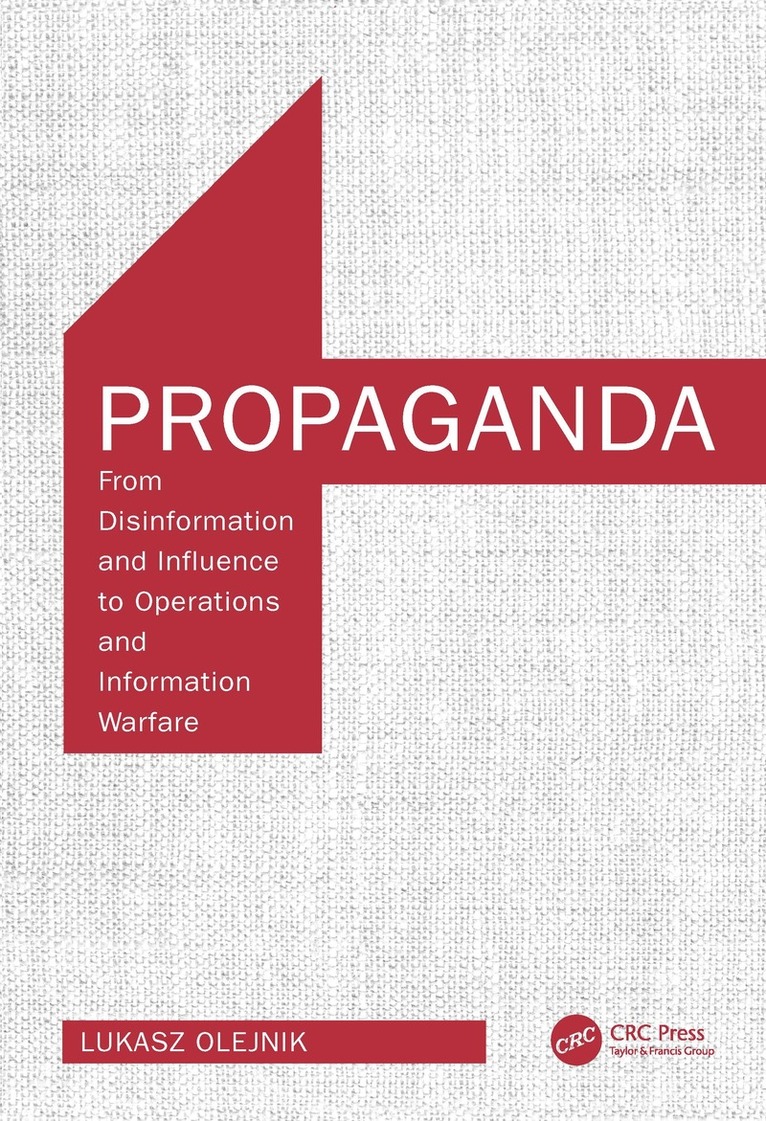
Propaganda
From Disinformation and Influence to Operations and Information Warfare
Inbunden, Engelska, 2024
1 773 kr
Skickas inom 10-15 vardagar
The book is a modern primer on propaganda—aspects like disinformation, trolls, bots, information influence, psychological operations, information operations, and information warfare. Propaganda: From Disinformation and Influence to Operations and Information Warfare offers a contemporary model for thinking about the subject.The first two decades of the 21st century have brought qualitative and quantitative technological and societal changes, and the subject of information influence needs to be re-ordered. Now is the time.The book explains the origins of the meaning and phenomenon of propaganda—where it came from and how it has changed over the centuries. The book also covers modern methods, including artificial intelligence (AI) and advertising technologies. Legal, political, diplomatic, and military considerations ensure that the material is covered in depth.The book is recommended for security and cybersecurity professionals (both technical and non-technical), government officials, politicians, corporate executives, academics, and students of technical and social sciences. Adepts with an interest in the subject will read it with interest.
Propaganda
From Disinformation and Influence to Operations and Information Warfare
Häftad, Engelska, 2024
700 kr
Skickas inom 10-15 vardagar
The book is a modern primer on propaganda—aspects like disinformation, trolls, bots, information influence, psychological operations, information operations, and information warfare. Propaganda: From Disinformation and Influence to Operations and Information Warfare offers a contemporary model for thinking about the subject.The first two decades of the 21st century have brought qualitative and quantitative technological and societal changes, and the subject of information influence needs to be re-ordered. Now is the time.The book explains the origins of the meaning and phenomenon of propaganda—where it came from and how it has changed over the centuries. The book also covers modern methods, including artificial intelligence (AI) and advertising technologies. Legal, political, diplomatic, and military considerations ensure that the material is covered in depth.The book is recommended for security and cybersecurity professionals (both technical and non-technical), government officials, politicians, corporate executives, academics, and students of technical and social sciences. Adepts with an interest in the subject will read it with interest.