Lukasz Stanek – författare
Visar alla böcker från författaren Lukasz Stanek. Handla med fri frakt och snabb leverans.
10 produkter
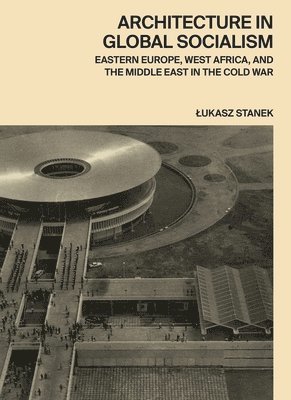
Architecture in Global Socialism
Eastern Europe, West Africa, and the Middle East in the Cold War
Inbunden, 2020
699 kr
Lägg i varukorg
How socialist architects, planners, and contractors worked collectively to urbanize and develop the Global South during the Soviet eraIn the course of the Cold War, architects, planners, and construction companies from socialist Eastern Europe engaged in a vibrant collaboration with those in West …
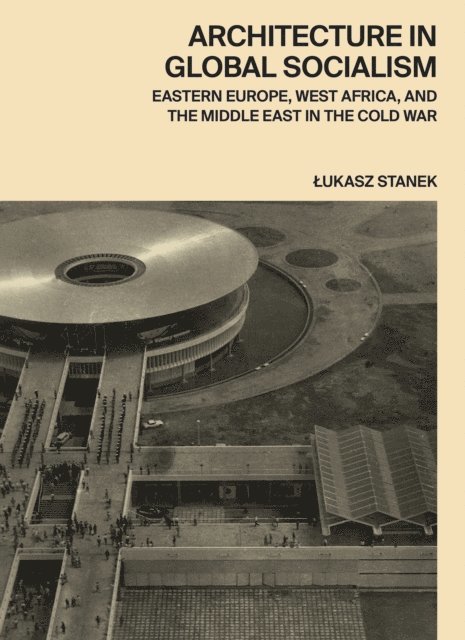
Architecture in Global Socialism
Eastern Europe, West Africa, and the Middle East in the Cold War
E-bok, 2020
955 kr
Lägg i varukorg
How socialist architects, planners, and contractors worked collectively to urbanize and develop the Global South during the Soviet era In the course of the Cold War, architects, planners, and construction companies from socialist Eastern Europe engaged in a vibrant collaboration with those in West …
Henri Lefebvre on Space
Architecture, Urban Research, and the Production of Theory
Häftad, 2011
343 kr
Lägg i varukorg
In this innovative work, Lukasz Stanek frames a uniquely contextual appreciation of Henri Lefebvre’s idea that space is a social product. Stanek explicitly confronts both the philosophical and the empirical foundations of Lefebvre’s oeuvre, especially his direct involvement in the fields of urban …
Toward an Architecture of Enjoyment
Av Henri Lefebvre, Łukasz Stanek
Häftad, 2014
302 kr
Lägg i varukorg
Toward an Architecture of Enjoyment is the first publication in any language of the only book devoted to architecture by Henri Lefebvre. Written in 1973 but only recently discovered in a private archive, this work extends Lefebvre’s influential theory of urban space to the question of architecture. …
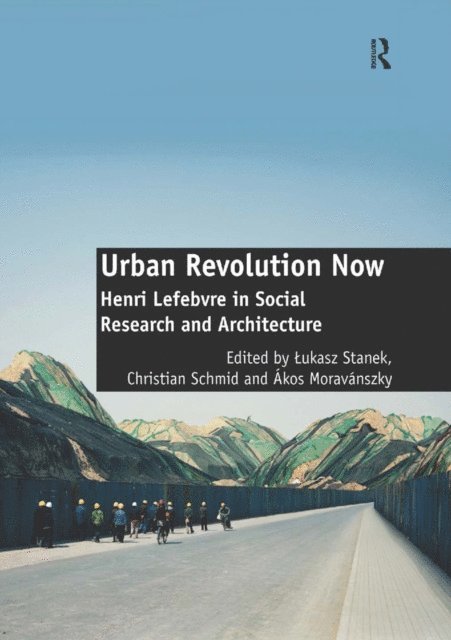
Urban Revolution Now
Henri Lefebvre in Social Research and Architecture
Av Christian Schmid, Lukasz Stanek
E-bok, 2016
1034 kr
Lägg i varukorg
When Henri Lefebvre published The Urban Revolution in 1970, he sketched a research itinerary on the emerging tendency towards planetary urbanization. Today, when this tendency has become reality, Lefebvre’s ideas on everyday life, production of space, rhythmanalysis and the right to the city are …
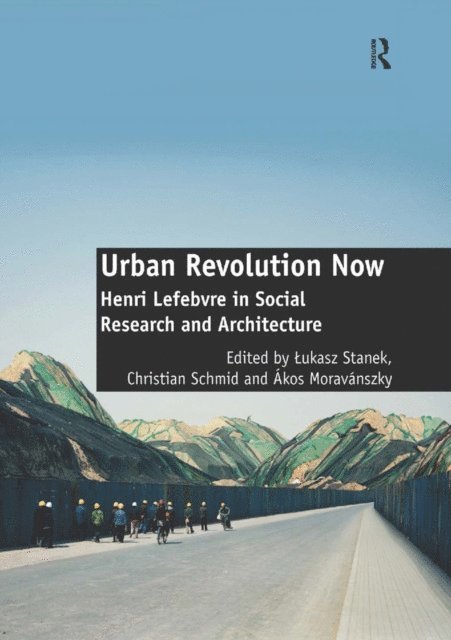
Urban Revolution Now
Henri Lefebvre in Social Research and Architecture
Av Christian Schmid, Lukasz Stanek
E-bok, 2016
1034 kr
Lägg i varukorg
When Henri Lefebvre published The Urban Revolution in 1970, he sketched a research itinerary on the emerging tendency towards planetary urbanization. Today, when this tendency has become reality, Lefebvre’s ideas on everyday life, production of space, rhythmanalysis and the right to the city are …
Urban Revolution Now
Henri Lefebvre in Social Research and Architecture
Av Christian Schmid, Lukasz Stanek
Häftad, 2014
851 kr
Lägg i varukorg
When Henri Lefebvre published The Urban Revolution in 1970, he sketched a research itinerary on the emerging tendency towards planetary urbanization. Today, when this tendency has become reality, Lefebvre’s ideas on everyday life, production of space, rhythmanalysis and the right to the city are …
Urban Revolution Now
Henri Lefebvre in Social Research and Architecture
Av Christian Schmid, Lukasz Stanek
Inbunden, 2014
2510 kr
Lägg i varukorg
When Henri Lefebvre published The Urban Revolution in 1970, he sketched a research itinerary on the emerging tendency towards planetary urbanization. Today, when this tendency has become reality, Lefebvre’s ideas on everyday life, production of space, rhythmanalysis and the right to the city are …
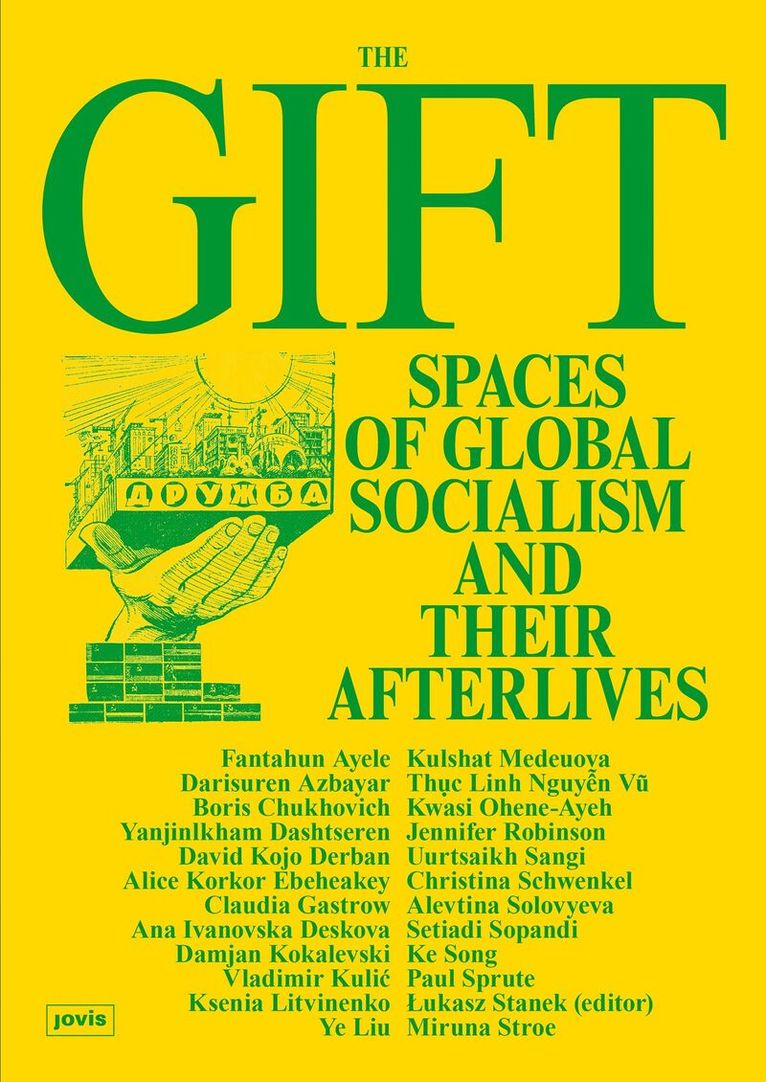
Gift
Spaces of Global Socialism and Their Afterlives
Häftad, 2026
490 kr
Lägg i varukorg
The gifting of architecture during the Cold War was a spectacular means for socialist countries to manifest a new vision of international relations for the decolonizing world. Soviet, Eastern European, Chinese, and Cuban institutions donated factories, schools, hospitals, and housing to newly …
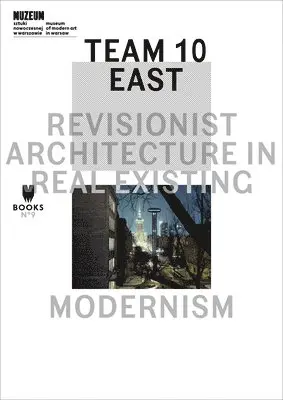
Team 10 East – Revisionist Architecture in Real Existing Modernism
Av Lukasz Stanek, Lukasz Stanek
Häftad, 2014
264 kr
Lägg i varukorg
This volume coins the term "Team 10 East" as a conceptual tool to discuss the work of Team 10 members and fellow travelers from state-socialist countries - such as Oskar Hansen of Poland, Charles Polonyi of Hungary, and Radovan Niksic of Yugoslavia. This new term allows the book's contributors to …