Łukasz Zamęcki – författare
Visar alla böcker från författaren Łukasz Zamęcki. Handla med fri frakt och snabb leverans.
3 produkter
Routledge Handbook of Polish Politics and Society
Av Arkadiusz Żukowski, Maciej Hartliński m. fl.
Inbunden, 2026
3750 kr
Kommande
This handbook offers a comprehensive and expert account of the central issues shaping contemporary Polish politics and society, with in-depth analysis of the political, social, cultural and economic consequences of the country's systemic transformation over the past thirty-five years.Through a …
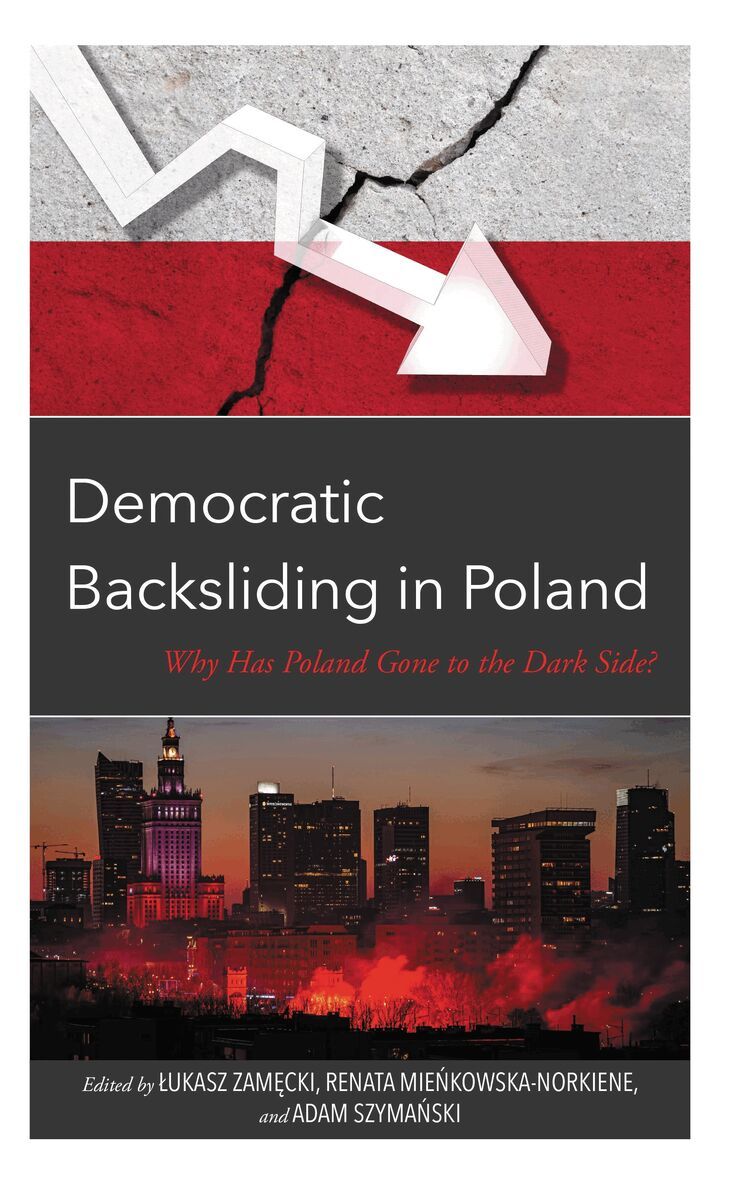
Democratic Backsliding in Poland
Why Has Poland Gone to the Dark Side
Av Adam Szymanski, Lukasz Zamecki m. fl.
Inbunden, 2023
1211 kr
Lägg i varukorg
According to various independent research institutions Poland is now seen as the fastest destabilizing democracy. After 1989, Poland was often presented in the international public discourse as an example of the successful political and economic transition away from Communism. However, since 2015, …
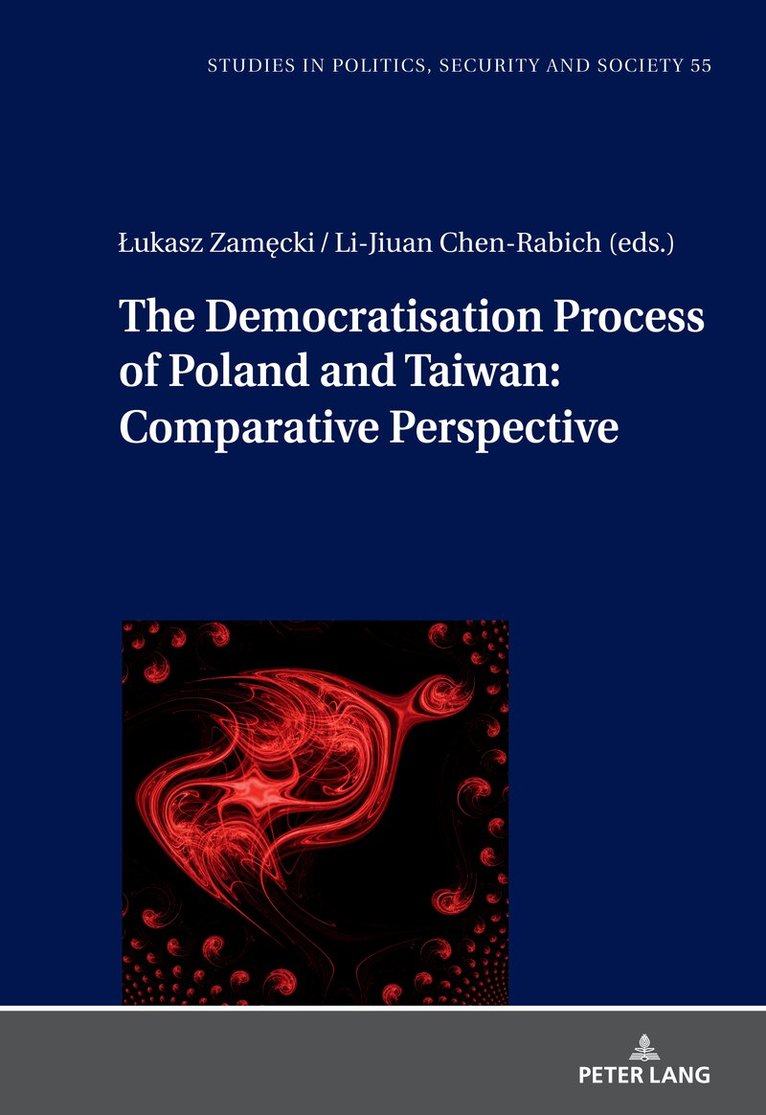
Democratization Process of Poland and Taiwan: Comparative Perspective
Av Łukasz Zamęcki, Li-Jiuan Chen-Rabich
Inbunden, 2023
557 kr
Lägg i varukorg
Poland and Taiwan: two parts of the world distant from each other, differing culturally and socially, and yet facing kind of similar challenges in the late 1980s and early 1990s – characterised by the transition from an authoritarian political system to liberal democracy. This book seeks to present …