Luman Wang – författare
Visar alla böcker från författaren Luman Wang. Handla med fri frakt och snabb leverans.
2 produkter
2 produkter
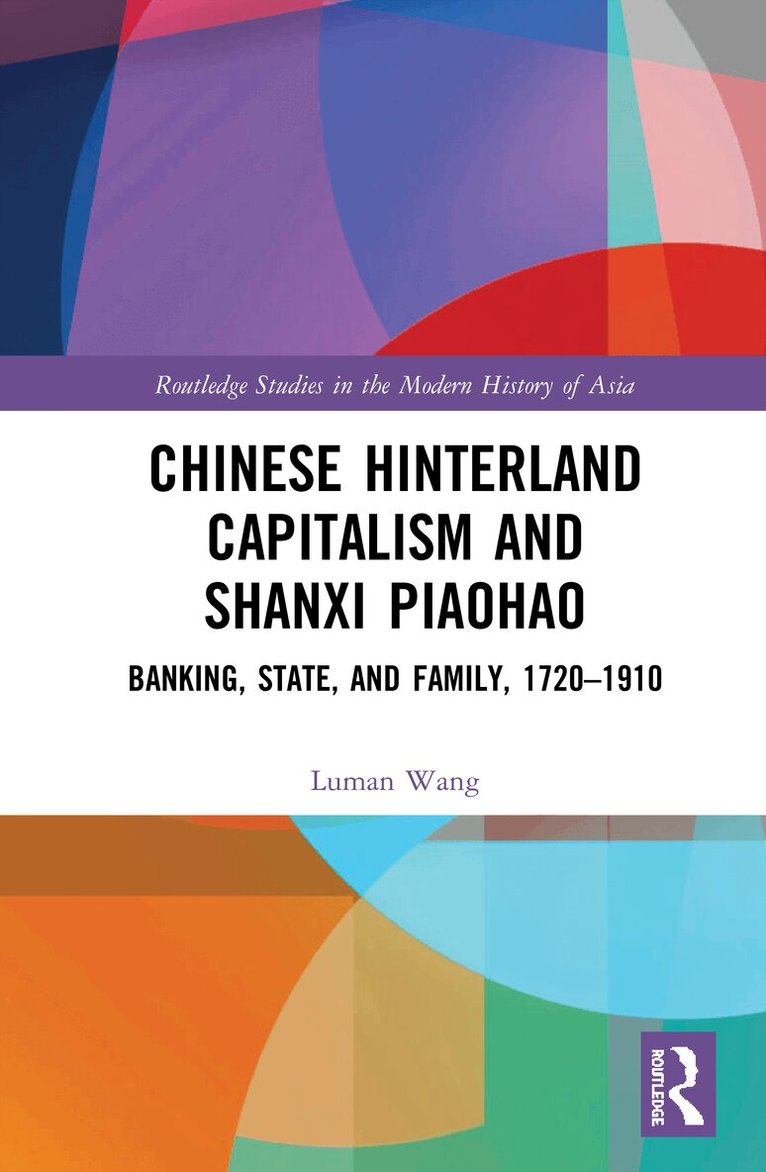
Chinese Hinterland Capitalism and Shanxi Piaohao
Banking, State, and Family, 1720-1910
Inbunden, Engelska, 2020
2 386 kr
Skickas inom 10-15 vardagar
This book examines Shanxi piaohao—private financiers from the Chinese hinterland—in the economic and business history of late imperial China, forming the original theory of Chinese hinterland capitalism.Deepening the existing understanding of capitalist dynamics at work in the families and financial institutions of late imperial China, the book foregrounds the expansionist role played by Shanxi piaohao in transforming China’s market and trade from an agrarian empire to a modern nation state. In a departure for economic history, it also focuses on the histories of the people and their lifeworlds behind financial institutions, which have previously been erased by universal capitalist narratives. Persistent binary oppositions between coastal areas and hinterland; state and market; and institutions and families are each transcended in recounting the local histories of global capital in the marginalized countryside and borderlands of China.Based on a wealth of archival material and correspondence with Shanxi piaohao offices and branches, Chinese Hinterland Capitalism and Shanxi Piaohao will appeal to students and scholars of Chinese and economic history, anthropology, and postcolonial studies more generally.
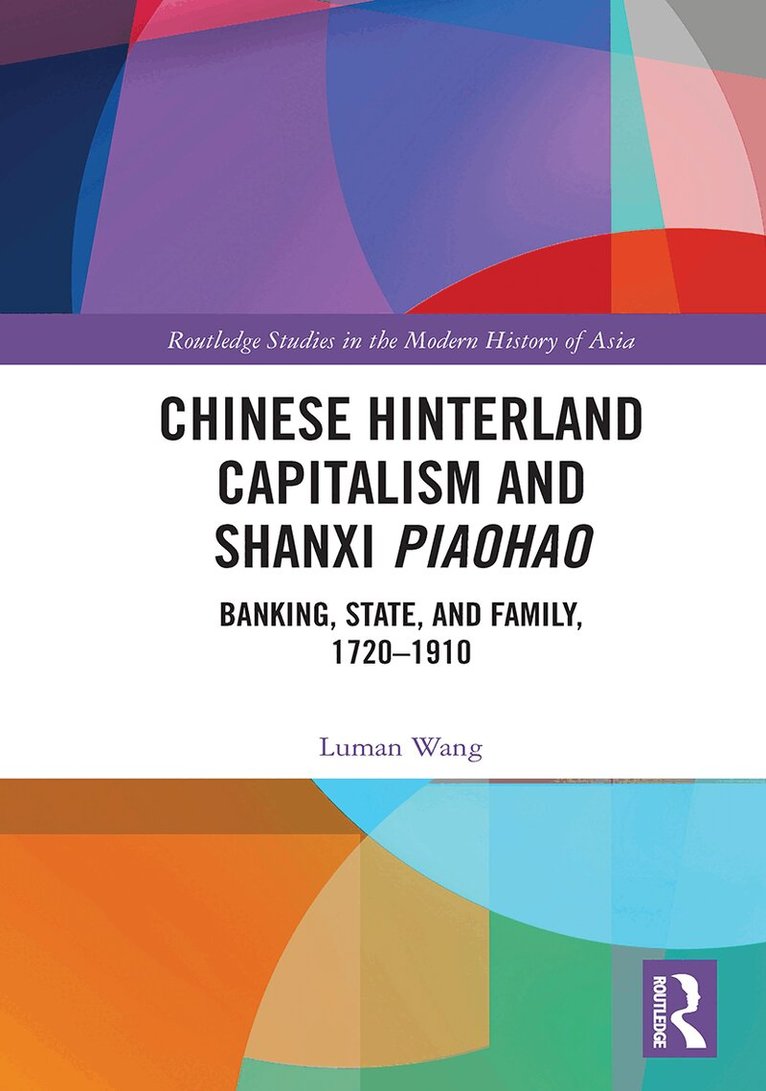
Chinese Hinterland Capitalism and Shanxi Piaohao
Banking, State, and Family, 1720-1910
Häftad, Engelska, 2022
637 kr
Skickas inom 10-15 vardagar
This book examines Shanxi piaohao—private financiers from the Chinese hinterland—in the economic and business history of late imperial China, forming the original theory of Chinese hinterland capitalism.Deepening the existing understanding of capitalist dynamics at work in the families and financial institutions of late imperial China, the book foregrounds the expansionist role played by Shanxi piaohao in transforming China’s market and trade from an agrarian empire to a modern nation state. In a departure for economic history, it also focuses on the histories of the people and their lifeworlds behind financial institutions, which have previously been erased by universal capitalist narratives. Persistent binary oppositions between coastal areas and hinterland; state and market; and institutions and families are each transcended in recounting the local histories of global capital in the marginalized countryside and borderlands of China.Based on a wealth of archival material and correspondence with Shanxi piaohao offices and branches, Chinese Hinterland Capitalism and Shanxi Piaohao will appeal to students and scholars of Chinese and economic history, anthropology, and postcolonial studies more generally.