Luna Khirfan – författare
Visar alla böcker från författaren . Handla med fri frakt och snabb leverans.
7 produkter
7 produkter
Häftad, Engelska, 2017
431 kr
Skickas inom 5-8 vardagar
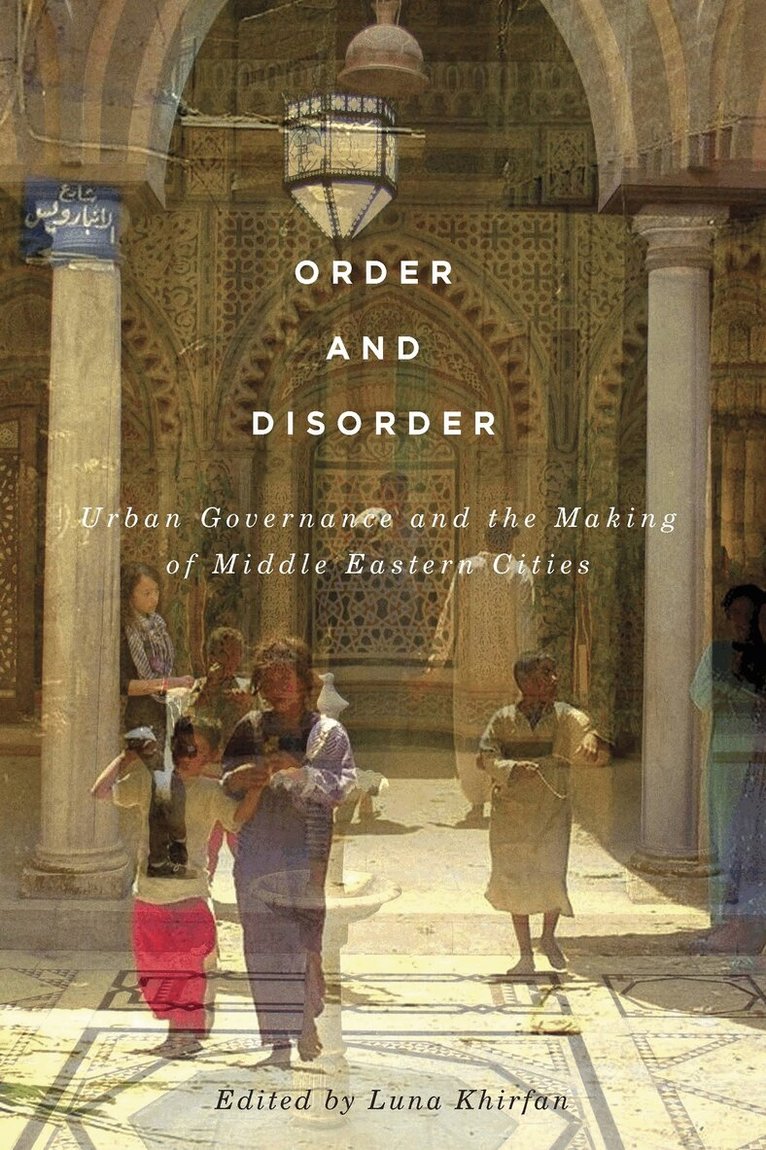
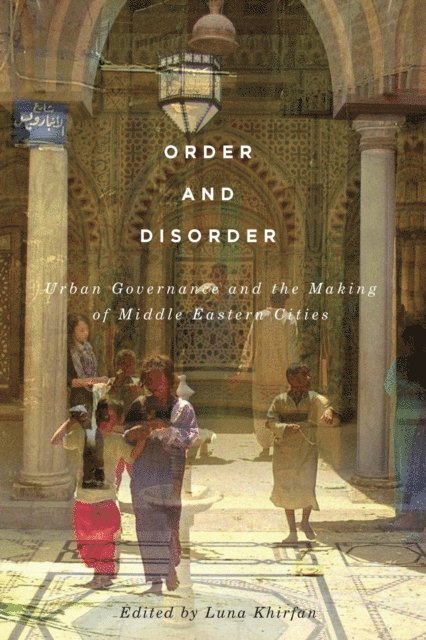
As Middle Eastern cities weather the second decade of the twenty-first century, they face a number of challenges to their economic resilience, competitiveness, and internal stability. In this uniquely tense realm for the urban public, an understanding of the dynamics of decision-making processes, citizen power, and the rule of law is critical to the direction of policy in the future. In Order and Disorder, Luna Khirfan weaves a cross-national comparison of Amman and Cairo that dissects the many layers and complexities of urban governance. Through case studies on a diverse array of development projects and their associated challenges, the contributors demonstrate how three actors – the state, the market, and civil society – interact with each other within the same urban political space. First, they argue that interplay between the state and civil society reveals the potential of urban majorities and the discords within current participatory planning. She then delves into the neoliberal dynamics between the state and the market, stressing the impact of economic push and pull factors on urban landscapes. The final chapters explain why the market's relationship with civil society oscillates between exclusion and alienation. Throughout the book, Khirfan identifies the role of an authoritarian bargain in governing every one of these interactions. In light of current regional political instability in the Middle East and North Africa, Order and Disorder offers an arena for extrapolating lessons from urban governance to the wider political sphere.
E-bok
PDF, Engelska, 2017360 kr
Läs direkt efter köp
As Middle Eastern cities weather the second decade of the twenty-first century, they face a number of challenges to their economic resilience, competitiveness, and internal stability. In this uniquely tense realm for the urban public, an understanding of the dynamics of decision-making processes, citizen power, and the rule of law is critical to the direction of policy in the future. In Order and Disorder, Luna Khirfan weaves a cross-national comparison of Amman and Cairo that dissects the many layers and complexities of urban governance. Through case studies on a diverse array of development projects and their associated challenges, the contributors demonstrate how three actors – the state, the market, and civil society – interact with each other within the same urban political space. First, they argue that interplay between the state and civil society reveals the potential of urban majorities and the discords within current participatory planning. She then delves into the neoliberal dynamics between the state and the market, stressing the impact of economic push and pull factors on urban landscapes. The final chapters explain why the market’s relationship with civil society oscillates between exclusion and alienation. Throughout the book, Khirfan identifies the role of an authoritarian bargain in governing every one of these interactions. In light of current regional political instability in the Middle East and North Africa, Order and Disorder offers an arena for extrapolating lessons from urban governance to the wider political sphere.
E-bok
Engelska, 2017348 kr
Läs direkt efter köp
As Middle Eastern cities weather the second decade of the twenty-first century, they face a number of challenges to their economic resilience, competitiveness, and internal stability. In this uniquely tense realm for the urban public, an understanding of the dynamics of decision-making processes, citizen power, and the rule of law is critical to the direction of policy in the future. In Order and Disorder, Luna Khirfan weaves a cross-national comparison of Amman and Cairo that dissects the many layers and complexities of urban governance. Through case studies on a diverse array of development projects and their associated challenges, the contributors demonstrate how three actors – the state, the market, and civil society – interact with each other within the same urban political space. First, they argue that interplay between the state and civil society reveals the potential of urban majorities and the discords within current participatory planning. She then delves into the neoliberal dynamics between the state and the market, stressing the impact of economic push and pull factors on urban landscapes. The final chapters explain why the market’s relationship with civil society oscillates between exclusion and alienation. Throughout the book, Khirfan identifies the role of an authoritarian bargain in governing every one of these interactions. In light of current regional political instability in the Middle East and North Africa, Order and Disorder offers an arena for extrapolating lessons from urban governance to the wider political sphere.
Häftad, Engelska, 2017
628 kr
Skickas inom 10-15 vardagar
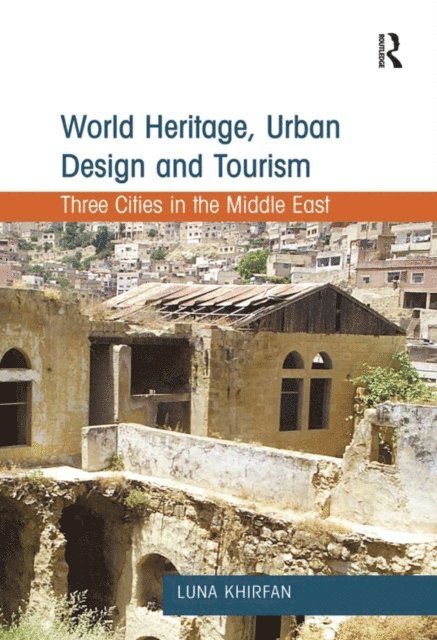
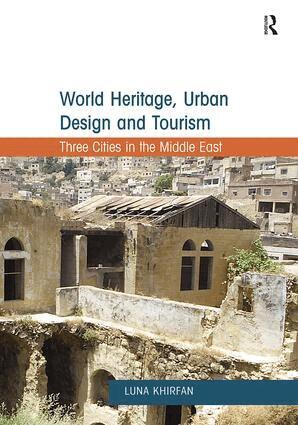
Urban planners and conservationists in historic cities around the world grapple with the competing interests of conservation, urban design, and economic and social development. This book offers an interdisciplinary approach to the key relationships between heritage conservation, city space design, and tourism development in historic cities, linking theory and practice in a unique way. The book offers an investigation of three Middle Eastern historic cities, Aleppo, Acre and Salt, all of which face significant challenges of heritage conservation, adaptation to contemporary needs, and tourism development. It presents practical scenarios for the conservation and design of historic urban spaces and the development of sustainable tourism, from the perspective of planners, local communities and international tourists. The author offers a comparative approach which transcends political strife and provides valuable lessons for the other cities inscribed on UNESCO's World Heritage List, especially those in developing countries.
E-bok
PDF, Engelska, 2016745 kr
Läs direkt efter köp
Urban planners and conservationists in historic cities around the world grapple with the competing interests of conservation, urban design, and economic and social development. This book offers an interdisciplinary approach to the key relationships between heritage conservation, city space design, and tourism development in historic cities, linking theory and practice in a unique way. The book offers an investigation of three Middle Eastern historic cities, Aleppo, Acre and Salt, all of which face significant challenges of heritage conservation, adaptation to contemporary needs, and tourism development. It presents practical scenarios for the conservation and design of historic urban spaces and the development of sustainable tourism, from the perspective of planners, local communities and international tourists. The author offers a comparative approach which transcends political strife and provides valuable lessons for the other cities inscribed on UNESCO''s World Heritage List, especially those in developing countries.
E-bok
Engelska, 2016745 kr
Läs direkt efter köp
Urban planners and conservationists in historic cities around the world grapple with the competing interests of conservation, urban design, and economic and social development. This book offers an interdisciplinary approach to the key relationships between heritage conservation, city space design, and tourism development in historic cities, linking theory and practice in a unique way. The book offers an investigation of three Middle Eastern historic cities, Aleppo, Acre and Salt, all of which face significant challenges of heritage conservation, adaptation to contemporary needs, and tourism development. It presents practical scenarios for the conservation and design of historic urban spaces and the development of sustainable tourism, from the perspective of planners, local communities and international tourists. The author offers a comparative approach which transcends political strife and provides valuable lessons for the other cities inscribed on UNESCO''s World Heritage List, especially those in developing countries.
Inbunden, Engelska, 2014
2 417 kr
Skickas inom 10-15 vardagar
Urban planners and conservationists in historic cities around the world grapple with the competing interests of conservation, urban design, and economic and social development. This book offers an interdisciplinary approach to the key relationships between heritage conservation, city space design, and tourism development in historic cities, linking theory and practice in a unique way. The book offers an investigation of three Middle Eastern historic cities, Aleppo, Acre and Salt, all of which face significant challenges of heritage conservation, adaptation to contemporary needs, and tourism development. It presents practical scenarios for the conservation and design of historic urban spaces and the development of sustainable tourism, from the perspective of planners, local communities and international tourists. The author offers a comparative approach which transcends political strife and provides valuable lessons for the other cities inscribed on UNESCO's World Heritage List, especially those in developing countries.