Lyman H. Legters – författare
Visar alla böcker från författaren Lyman H. Legters. Handla med fri frakt och snabb leverans.
9 produkter
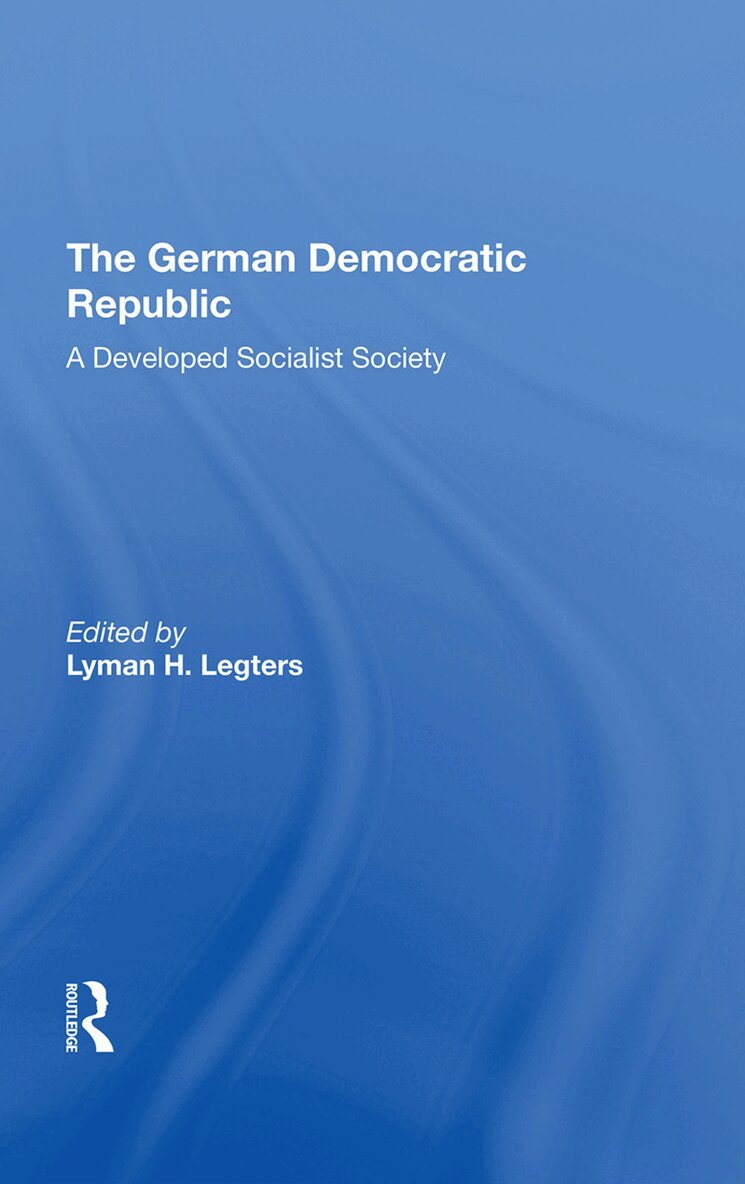
German Democratic Republic
A Developed Socialist Society
Inbunden, 2019
2504 kr
Lägg i varukorg
The shifting patterns of relationships in Central and Eastern Europe require that students of international relations be well versed in the attitudes and internal structures of the nations involved. Until now, material in English on the German Democratic Republic has consisted primarily of …
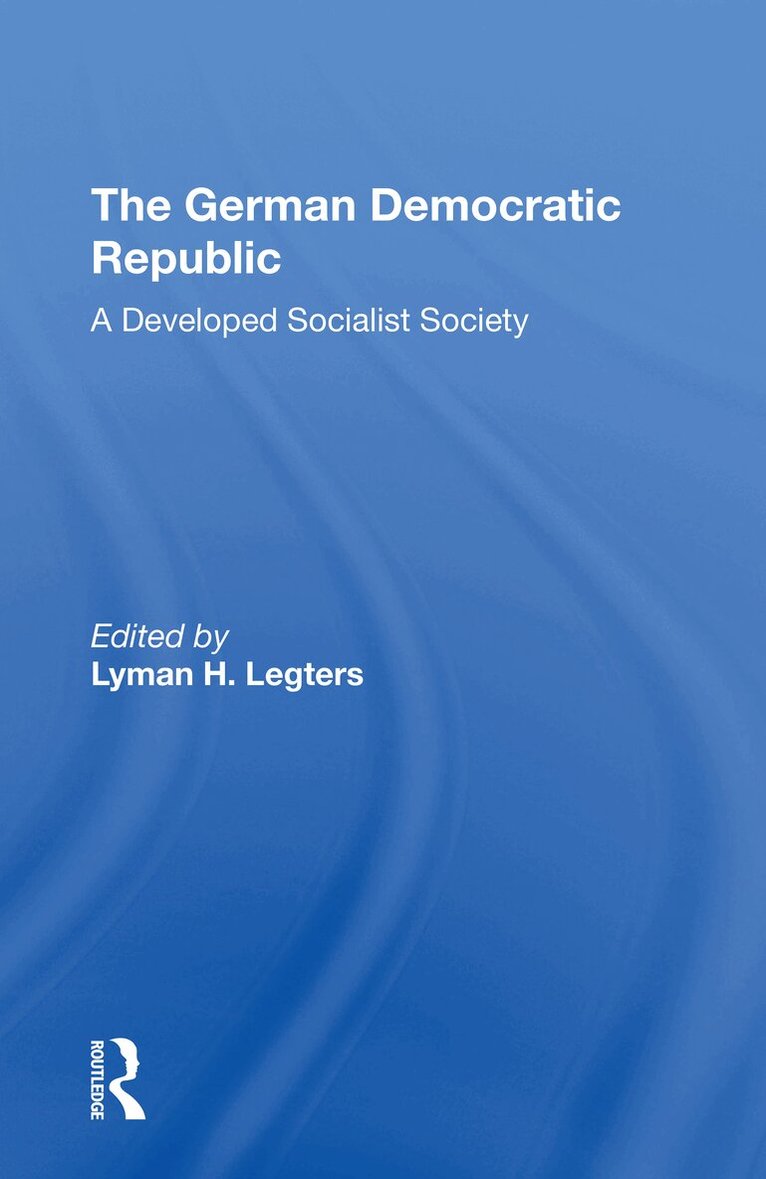
German Democratic Republic
A Developed Socialist Society
Häftad, 2020
693 kr
Lägg i varukorg
This book presents an up-to-date and comprehensive look at the German Democratic Republic, focusing on domestic political and social change. It addresses education, intellectual life, the military, foreign relations, the economy, and the customary subjects of politics and governmental direction.
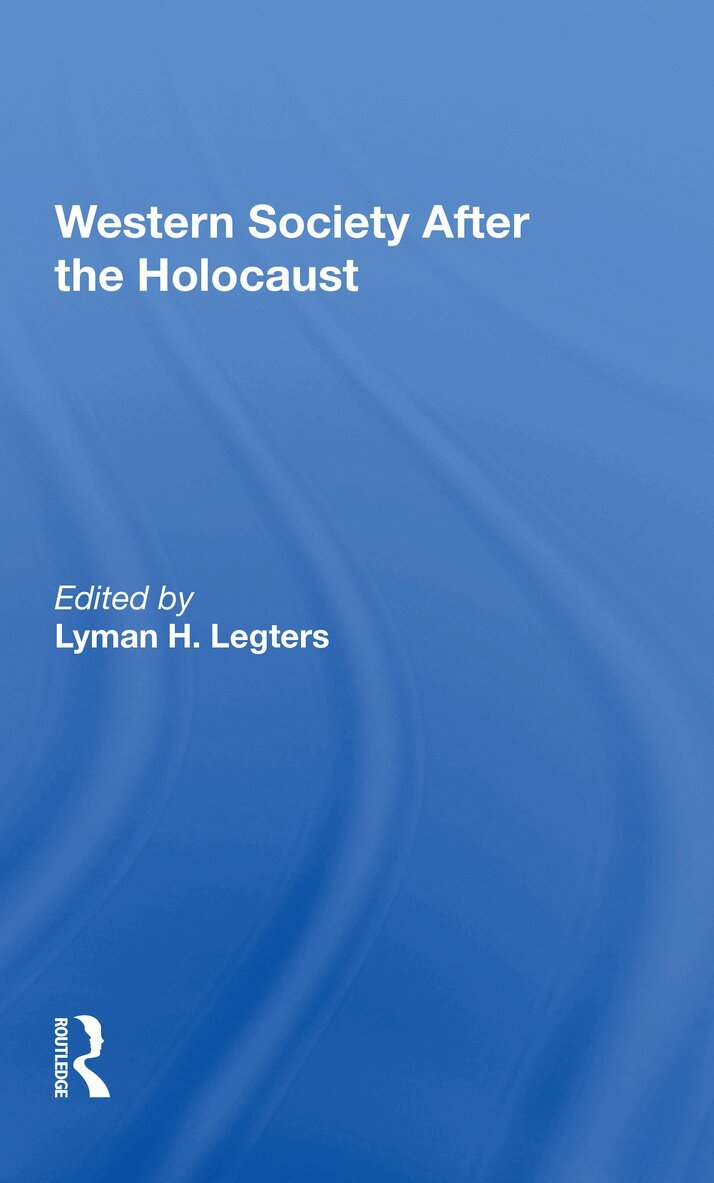
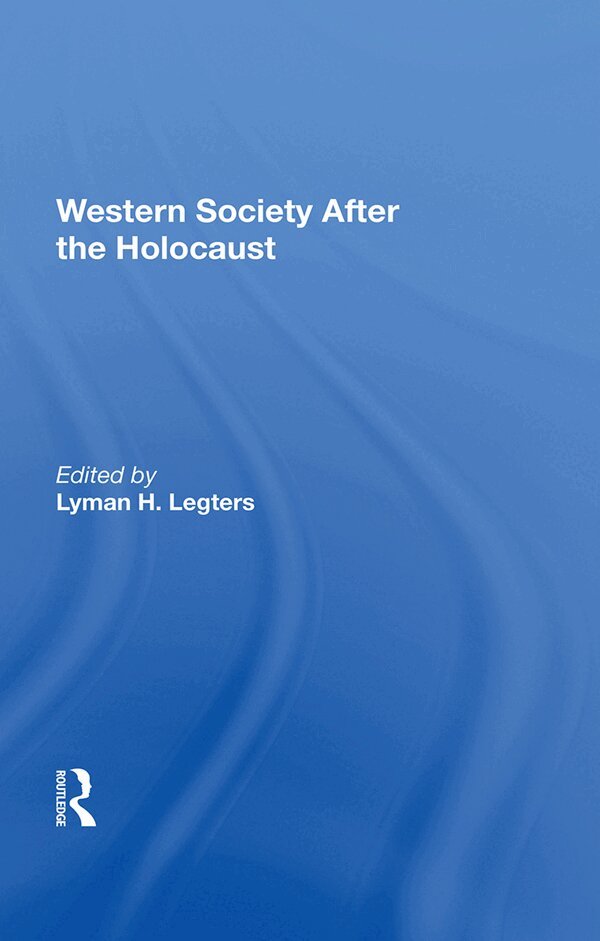
Western Society After The Holocaust
Häftad, 2020
693 kr
Lägg i varukorg
Based on an International Scholars' Symposium convened to recall the infamous Kristallnacht in Hitler's Germany, this book represents an effort to distill from the ensuing Holocaust experience the lessons that seem most applicable to the contemporary world.
German Democratic Republic
A Developed Socialist Society
E-bok, 2019
838 kr
Lägg i varukorg
The shifting patterns of relationships in Central and Eastern Europe require that students of international relations be well versed in the attitudes and internal structures of the nations involved. Until now, material in English on the German Democratic Republic has consisted primarily of …
German Democratic Republic
A Developed Socialist Society
E-bok, 2019
814 kr
Lägg i varukorg
The shifting patterns of relationships in Central and Eastern Europe require that students of international relations be well versed in the attitudes and internal structures of the nations involved. Until now, material in English on the German Democratic Republic has consisted primarily of …
Marxism and the Good Society
Av John P. Burke, Lawrence Crocker m. fl.
Häftad, 2011
557 kr
Lägg i varukorg
Early in his life, Marx had perceived the prevailing social system as being so deeply flawed as to be irreparable. He was as impatient with utopian fantasies as he was with mere tinkering, and so he was driven to develop not only the intellectual forecast of bourgeois capitalism's necessary demise …
Western Society After The Holocaust
E-bok, 2019
796 kr
Lägg i varukorg
Based on an International Scholars'' Symposium convened to recall the infamous Kristallnacht in Hitler''s Germany, this book represents an effort to distill from the ensuing Holocaust experience the lessons that seem most applicable to the contemporary world.
Western Society After The Holocaust
E-bok, 2019
814 kr
Lägg i varukorg
Based on an International Scholars'' Symposium convened to recall the infamous Kristallnacht in Hitler''s Germany, this book represents an effort to distill from the ensuing Holocaust experience the lessons that seem most applicable to the contemporary world.
Western Society After The Holocaust
Inbunden, 2019
3030 kr
Tillfälligt slut
Based on an International Scholars' Symposium convened to recall the infamous Kristallnacht in Hitler's Germany, this book represents an effort to distill from the ensuing Holocaust experience the lessons that seem most applicable to the contemporary world.