Lyn Ossome – författare
Visar alla böcker från författaren Lyn Ossome. Handla med fri frakt och snabb leverans.
7 produkter
7 produkter
Häftad, Engelska, 2026
313 kr
Kommande
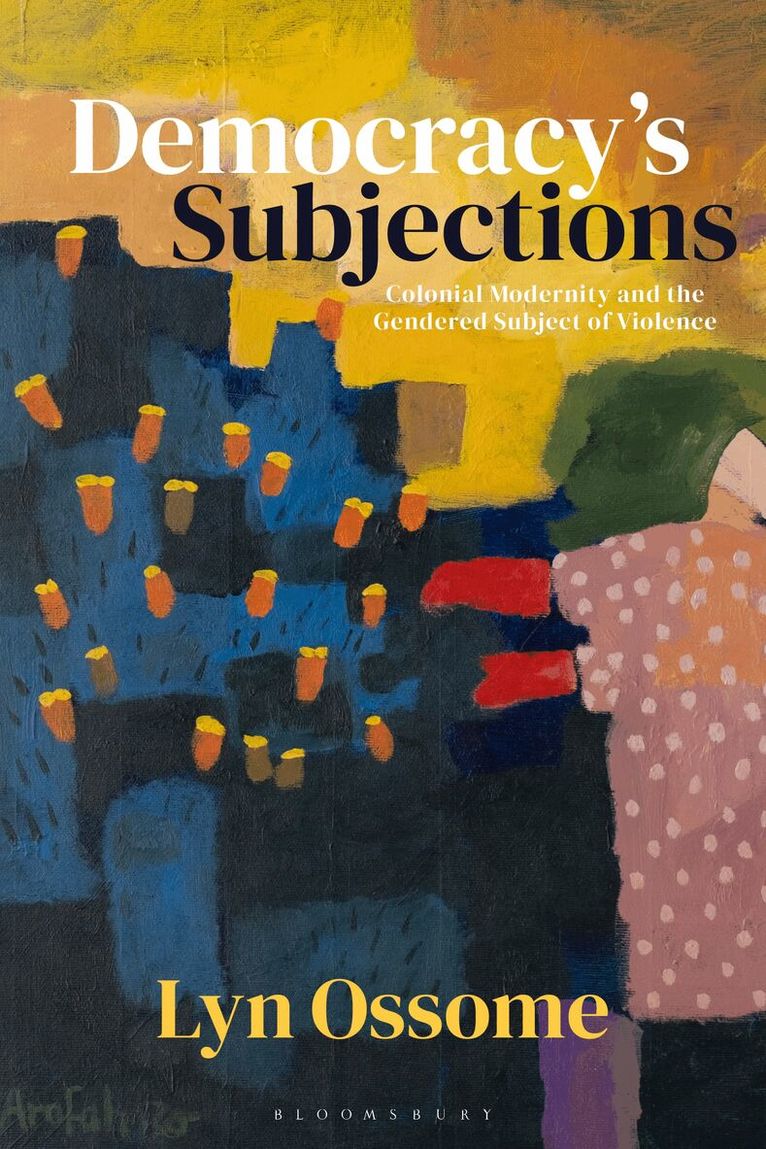
In this ground-breaking study, Lyn Ossome offers an authoritative, interdisciplinary theory of how postcolonial capitalist democracies reproduce the gendered forms of violence essential to colonial rule.Focussing on postcolonial African states, and using an interdisciplinary methodology that combines insights from political studies, feminist political economy, historical studies, and literary studies, Ossome shows how postcolonial, capitalist democracies in Africa, like their colonial antecedents, use various identity-markers to determine whose rights and bodies are violable, to what extent, and whether and how the violated have a right to resist. Ossome buttresses her critique through evidence gathered from colonial archives in Kenya, Zimbabwe, and South Africa, as well as through critical comparisons of three artistic responses to gender-based violence and rape in South Africa and India, all of which shows how her insights might apply across the postcolonial Global South.
Inbunden, Engelska, 2026
1 077 kr
Kommande
In this ground-breaking study, Lyn Ossome offers an authoritative, interdisciplinary theory of how postcolonial capitalist democracies reproduce the gendered forms of violence essential to colonial rule.Focussing on postcolonial African states, and using an interdisciplinary methodology that combines insights from political studies, feminist political economy, historical studies, and literary studies, Ossome shows how postcolonial, capitalist democracies in Africa, like their colonial antecedents, use various identity-markers to determine whose rights and bodies are violable, to what extent, and whether and how the violated have a right to resist. Ossome buttresses her critique through evidence gathered from colonial archives in Kenya, Zimbabwe, and South Africa, as well as through critical comparisons of three artistic responses to gender-based violence and rape in South Africa and India, all of which shows how her insights might apply across the postcolonial Global South.
376 kr
Läs direkt efter köp
In this ground-breaking study, Lyn Ossome offers an authoritative, interdisciplinary theory of how postcolonial capitalist democracies reproduce the gendered forms of violence essential to colonial rule.Focussing on postcolonial African states, and using an interdisciplinary methodology that combines insights from political studies, feminist political economy, historical studies, and literary studies, Ossome shows how postcolonial, capitalist democracies in Africa, like their colonial antecedents, use various identity-markers to determine whose rights and bodies are violable, to what extent, and whether and how the violated have a right to resist. Ossome buttresses her critique through evidence gathered from colonial archives in Kenya, Zimbabwe, and South Africa, as well as through critical comparisons of three artistic responses to gender-based violence and rape in South Africa and India, all of which shows how her insights might apply across the postcolonial Global South.
E-bok
PDF, Engelska, 2026380 kr
Läs direkt efter köp
In this ground-breaking study, Lyn Ossome offers an authoritative, interdisciplinary theory of how postcolonial capitalist democracies reproduce the gendered forms of violence essential to colonial rule.Focussing on postcolonial African states, and using an interdisciplinary methodology that combines insights from political studies, feminist political economy, historical studies, and literary studies, Ossome shows how postcolonial, capitalist democracies in Africa, like their colonial antecedents, use various identity-markers to determine whose rights and bodies are violable, to what extent, and whether and how the violated have a right to resist. Ossome buttresses her critique through evidence gathered from colonial archives in Kenya, Zimbabwe, and South Africa, as well as through critical comparisons of three artistic responses to gender-based violence and rape in South Africa and India, all of which shows how her insights might apply across the postcolonial Global South.
Inbunden, Engelska, 2018
1 256 kr
Skickas inom 10-15 vardagar
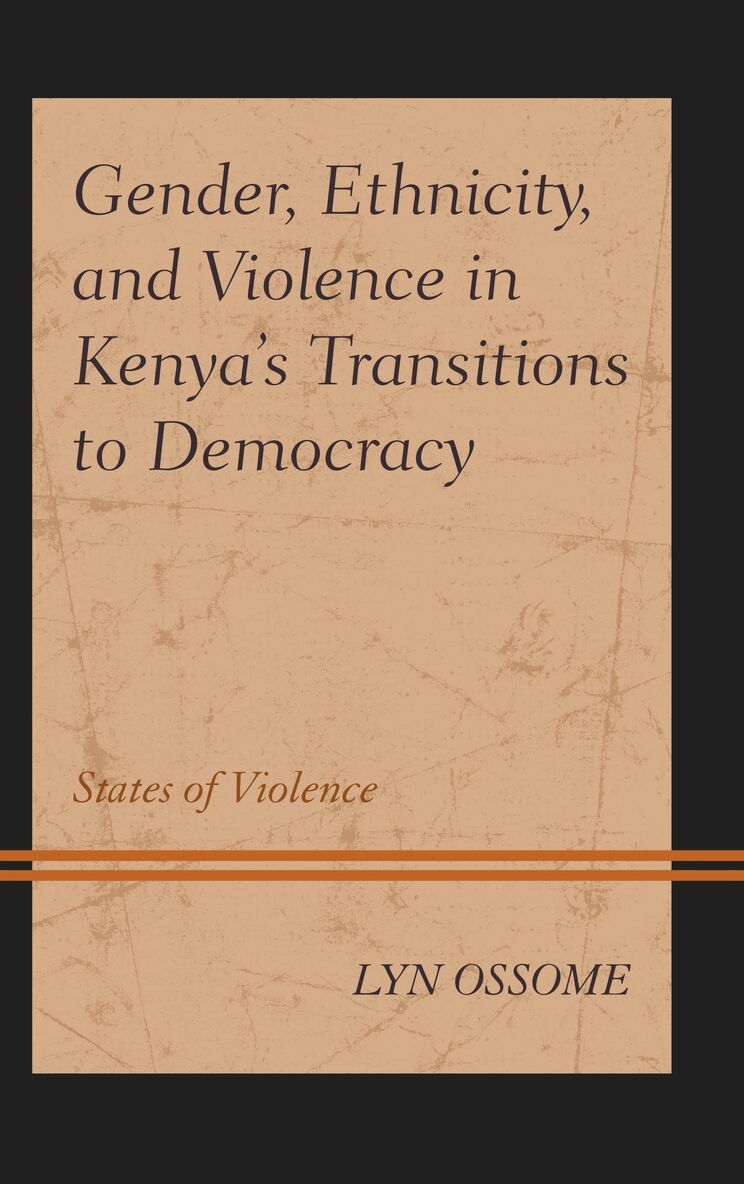
Critiquing the valorization of democracy as a means of containing violence and stabilizing political contestation, this book draws links between the democratization process and sexual/gendered violence observed against women during electioneering periods in Kenya. The book shows the contradictory relationship between democracy and gendered violence as being largely influenced in the first instance by the capitalist interests vested in the colonial state and its imperative to exploit laboring women; secondly, in the nature of the postcolonial state and politics largely captured by ethnic, bourgeois class interests; and third, influenced by neoliberal political ideology that has remained largely disarticulated from women's structural positions in Kenyan society. It argues that colonial capitalist interests established certain patterns of gender exploitation that extended into the postcolonial period such that the indigenous bourgeoisie took the form of an ethnicized elite. Ethnicity shaped politics and neoliberal political ideology further blocked women’s integration into politics in substantive ways. It concludes that it is not so much the norms and values of liberal democracy that assist in understanding women’s exclusion, but rather the structural dynamics that have shaped women’s experiences of democratic politics. In this way, gender violence in the context of democratization and electoral violence with its gendered manifestation can be fully understood as deeply embedded in the history of the structural dynamics of colonialism, capitalism, and patriarchalism in Kenya.
Inbunden, Engelska, 2021
1 447 kr
Skickas inom 10-15 vardagar
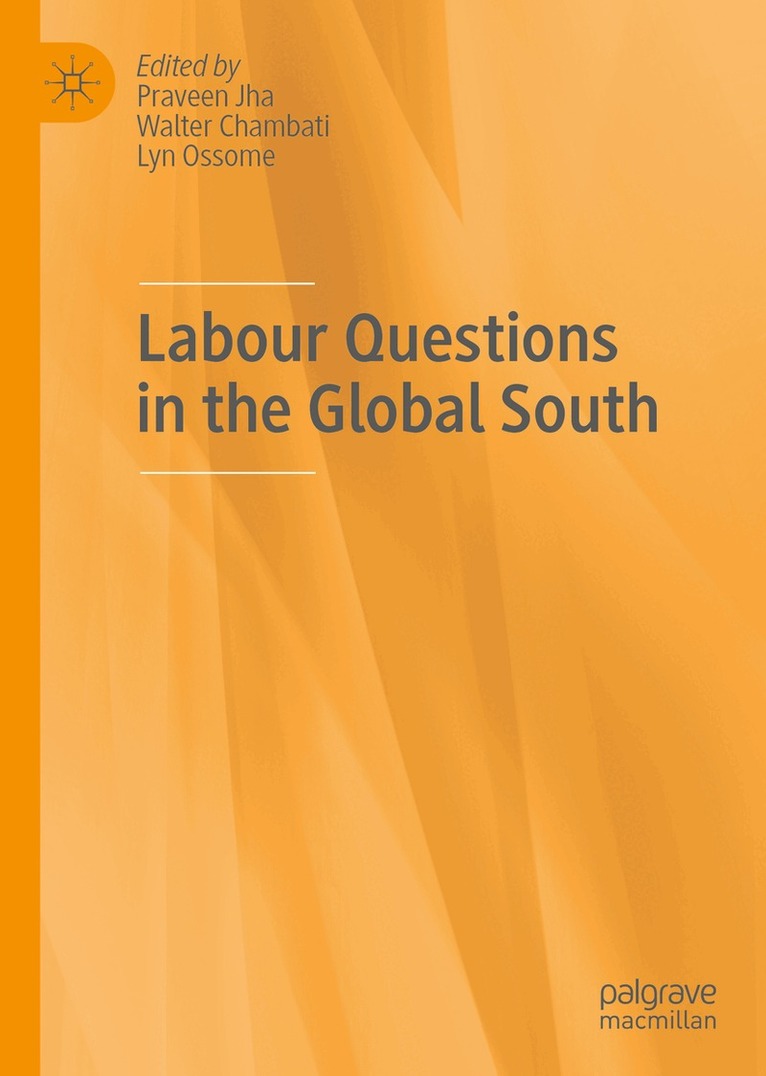
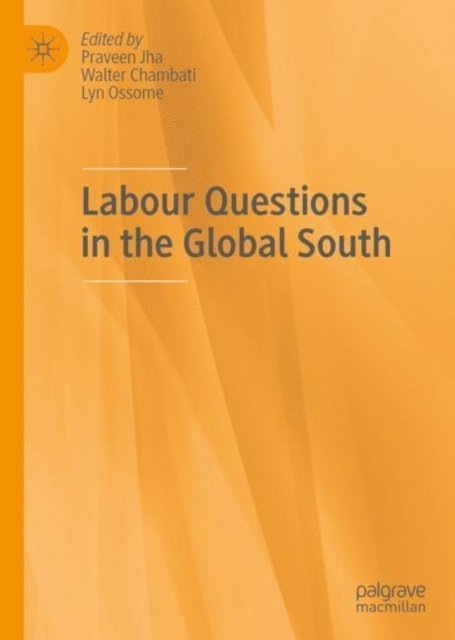
This book provides a focus on some of the main markers and challenges that are at the core of the study of structural transformations in contemporary capitalism and their implications for labour in the Global South. It examines the diverse perspectives and regional and social variations that characterise labour relations as a result of the uneven development which is an important facet of the intensification of capitalist accumulation..The book provides important insights into the impact of the crises of capitalism on the wellbeing of labour at different historical junctures. Some of the issues covered by it include the conditions of work, and the changing composition of laboring classes and/or working people. The chapters also throw light on the multiple trajectories in the development of labour relations and employment in the Global South, especially after the ascendancy and domination of neoliberal finance capitalism. Some of the major aspects considered by the essays include the decentering of production and development of global value systems, crisis of social reproduction, and the rising informalisation of work.
E-bok
Engelska, 20211 733 kr
Läs direkt efter köp
This book provides a focus on some of the main markers and challenges that are at the core of the study of structural transformations in contemporary capitalism and their implications for labour in the Global South. It examines the diverse perspectives and regional and social variations that characterise labour relations as a result of the uneven development which is an important facet of the intensification of capitalist accumulation..
The book provides important insights into the impact of the crises of capitalism on the wellbeing of labour at different historical junctures. Some of the issues covered by it include the conditions of work, and the changing composition of laboring classes and/or working people. The chapters also throw light on the multiple trajectories in the development of labour relations and employment in the Global South, especially after the ascendancy and domination of neoliberal finance capitalism. Some of the major aspects considered by the essays include the decentering of production and development of global value systems, crisis of social reproduction, and the rising informalisation of work.