469 kr
Skickas inom 10-15 vardagar
469 kr
Skickas inom 10-15 vardagar
2 411 kr
Skickas inom 10-15 vardagar
1 150 kr
Läs direkt efter köp
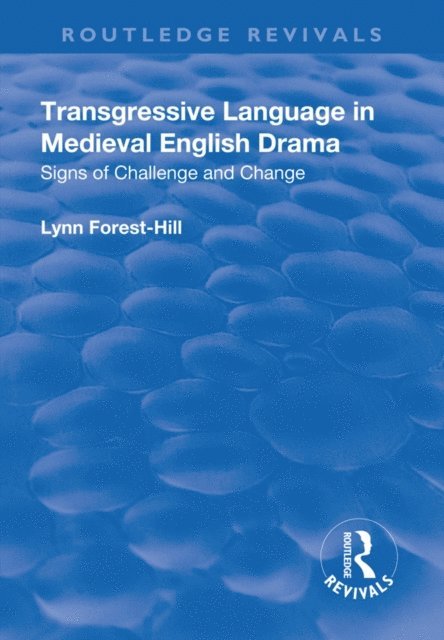
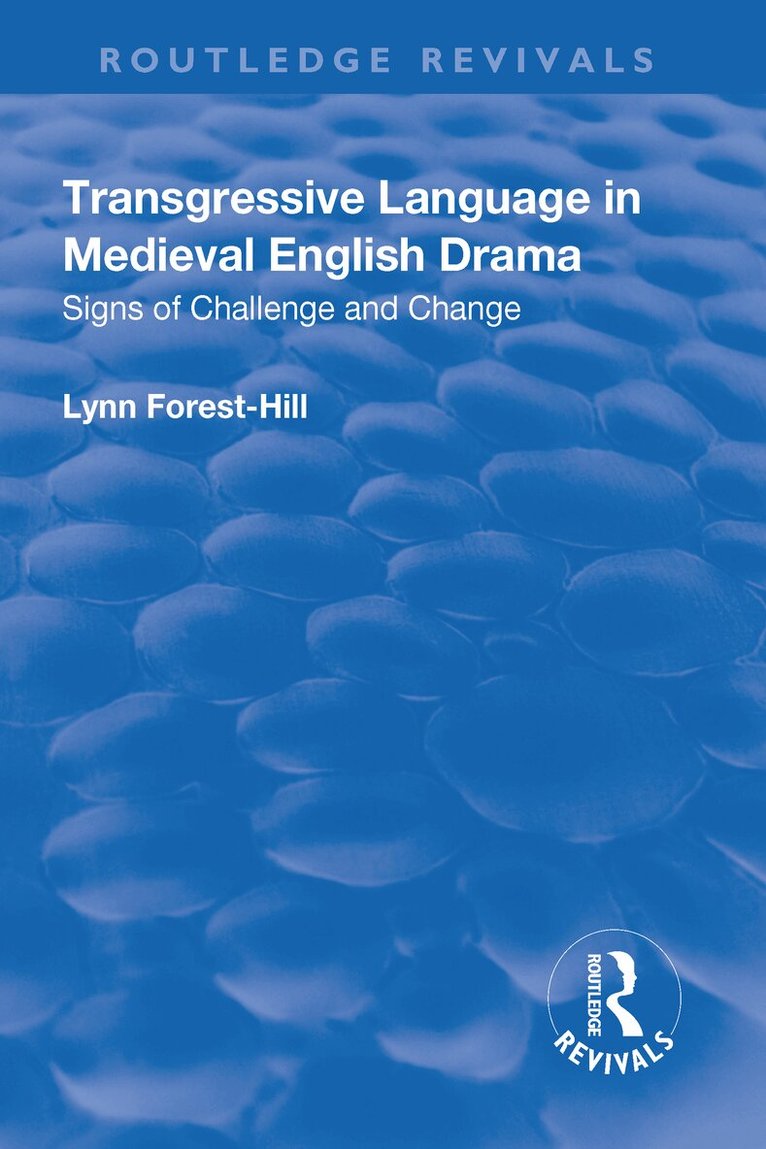
This title was first published in 2000: Insults, abuse, oaths, scatological and bawdy language - these form the subject of Lynn Forest-Hill''s study on "bad" language in the late Middle Ages. She demonstrates how, in mediaeval mystery plays and morality plays, dramatists used outrageous language with great sophistication and subtlety to create characterizations and define characters'' moral status, to reflect on social conditions, to condemn social evils, and to comment upon sensitive cultural, political and religious topics of the 16th century. The author begins by defining what constitutes sinful or transgressive language in the later mediaeval period, and establishes its moral significance. She then illustrates how the moral significance of language is used in drama to define the spiritual and social status of characters, and introduces the concept of sinful language as a sign of spiritual change. In later chapters the book explores the use of "bad" language in mystery and morality plays, focusing specifically on Skelton''s "Magnyfycence", Heywood''s "The Play of the Weather", and Bale''s "King Johan". The study shows the extent to which the moral significance of language in drama shifted during the 16th century under pressure from cultural and political change, paving the way for less morally rigorous and more socially sensitive definitions of "bad" language.
1 150 kr
Läs direkt efter köp
This title was first published in 2000: Insults, abuse, oaths, scatological and bawdy language - these form the subject of Lynn Forest-Hill''s study on "bad" language in the late Middle Ages. She demonstrates how, in mediaeval mystery plays and morality plays, dramatists used outrageous language with great sophistication and subtlety to create characterizations and define characters'' moral status, to reflect on social conditions, to condemn social evils, and to comment upon sensitive cultural, political and religious topics of the 16th century. The author begins by defining what constitutes sinful or transgressive language in the later mediaeval period, and establishes its moral significance. She then illustrates how the moral significance of language is used in drama to define the spiritual and social status of characters, and introduces the concept of sinful language as a sign of spiritual change. In later chapters the book explores the use of "bad" language in mystery and morality plays, focusing specifically on Skelton''s "Magnyfycence", Heywood''s "The Play of the Weather", and Bale''s "King Johan". The study shows the extent to which the moral significance of language in drama shifted during the 16th century under pressure from cultural and political change, paving the way for less morally rigorous and more socially sensitive definitions of "bad" language.
278 kr
Skickas inom 5-8 vardagar
278 kr
Skickas inom 5-8 vardagar
50 kr
Läs direkt efter köp
1 089 kr
Tillfälligt slut