Lynne C. Lancaster – författare
Visar alla böcker från författaren Lynne C. Lancaster. Handla med fri frakt och snabb leverans.
5 produkter
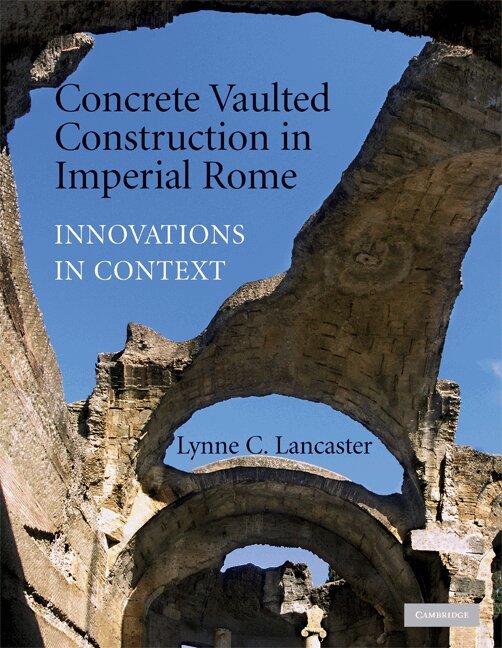
Concrete Vaulted Construction in Imperial Rome
Innovations in Context
Häftad, 2009
871 kr
Lägg i varukorg
Concrete Vaulted Construction in Imperial Rome examines methods and techniques that enabled builders to construct some of the most imposing monuments of ancient Rome. Focusing on structurally innovative vaulting and the factors that influenced its advancement, Lynne Lancaster also explores a range …
When Generations Collide
Who They Are. Why They Clash. How to Solve the Generational Puzzle at Work
Av David Stillman, Lynne C. Lancaster
E-bok, 2009
102 kr
Lägg i varukorg
If your workplace feels like a battle zone and colleagues sometimes act like adversaries, you ore not alone. Today four generations glare at one another across the conference table, and the potential for conflict and confusion has never been greater. Traditionalist employees with their "heads down, …
M-Factor
How the Millennial Generation Is Rocking the Workplace
Av David Stillman, Lynne C. Lancaster
E-bok, 2010
159 kr
Lägg i varukorg
From Lynne C. Lancaster and David Stillman, the nationally recognized generational experts and authors of When Generations Collide , comes the definitive guide to “Millennials” (those born between 1982 and 2000) in the workplace—what they want, how they think, and how to unlock their talents to …
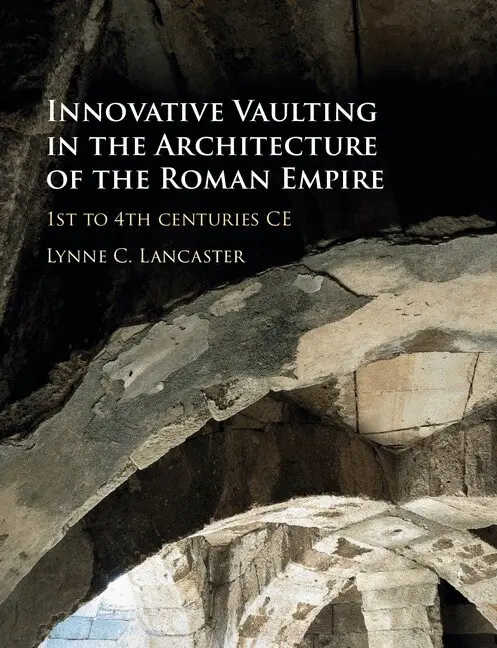
Innovative Vaulting in the Architecture of the Roman Empire
1st to 4th Centuries CE
Inbunden, 2015
1744 kr
Lägg i varukorg
This book studies six vaulting techniques employed in architecture outside of Rome and asks why they were invented where they were and how they were disseminated. Most of the techniques involve terracotta elements in various forms, such as regular flat bricks, hollow voussoirs, vaulting tubes, and …