Lynnette Arnold - Böcker
Visar alla böcker från författaren Lynnette Arnold. Handla med fri frakt och snabb leverans.
4 produkter
4 produkter
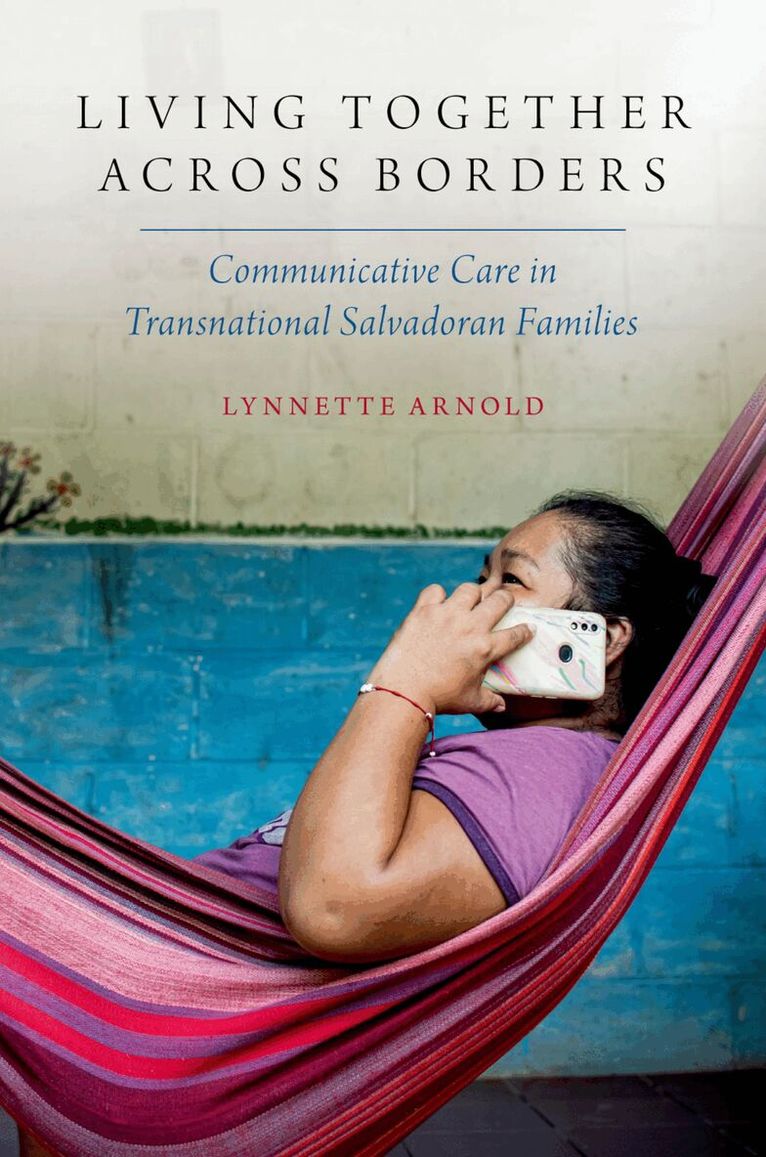
Living Together Across Borders
Communicative Care in Transnational Salvadoran Families
Inbunden, Engelska, 2025
347 kr
Tillfälligt slut
In Living Together Across Borders, author Lynnette Arnold tells the stories of extended families living stretched between a rural Salvadoran village and the urban locations in the United States where their migrant relatives live. In this multi-sited ethnography, Arnold examines seemingly mundane conversational practices-such as sending greetings, negotiating remittances, and reminiscing together-that are central to family life across borders. Arnold underscores the consequentiality of these linguistic practices by tracing how they are shaped by and re-shape gendered and generational norms of family care, as well as how they are tied to Salvadoran histories of migration, violence, and poverty, which are powerfully influenced by U.S. economic and foreign policy. This book demonstrates that these communicative practices bring inequities between the global North and South into family life by continually reproducing distinctions between relatives in El Salvador and those living in the United States. Conversely, she examines seemingly mundane interactions including greetings, remittance negotiations, and reminiscing together. Although these relational moments of cross-border connection are fleeting, their impacts endure, laying the foundation for the ongoing material and economic provisioning necessary to family survival. Through cross-border conversations, families nurture intergenerational relations that sustain the family and convivencia (living-together) over the years despite ongoing separation.
Living Together Across Borders
Communicative Care in Transnational Salvadoran Families
Häftad, Engelska, 2025
112 kr
Skickas inom 5-8 vardagar
In Living Together Across Borders, author Lynnette Arnold tells the stories of extended families living stretched between a rural Salvadoran village and the urban locations in the United States where their migrant relatives live. In this multi-sited ethnography, Arnold examines seemingly mundane conversational practices-such as sending greetings, negotiating remittances, and reminiscing together-that are central to family life across borders. Arnold underscores the consequentiality of these linguistic practices by tracing how they are shaped by and re-shape gendered and generational norms of family care, as well as how they are tied to Salvadoran histories of migration, violence, and poverty, which are powerfully influenced by U.S. economic and foreign policy. This book demonstrates that these communicative practices bring inequities between the global North and South into family life by continually reproducing distinctions between relatives in El Salvador and those living in the United States. Conversely, she examines seemingly mundane interactions including greetings, remittance negotiations, and reminiscing together. Although these relational moments of cross-border connection are fleeting, their impacts endure, laying the foundation for the ongoing material and economic provisioning necessary to family survival. Through cross-border conversations, families nurture intergenerational relations that sustain the family and convivencia (living-together) over the years despite ongoing separation.
1 389 kr
Kommande
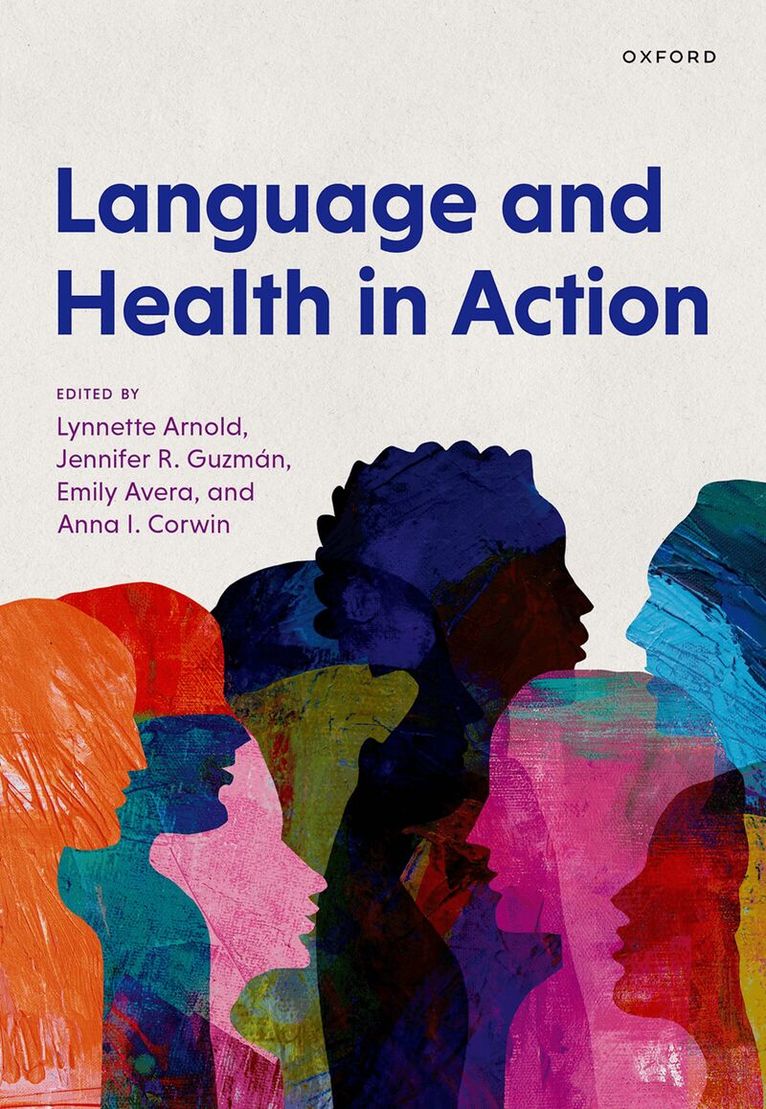
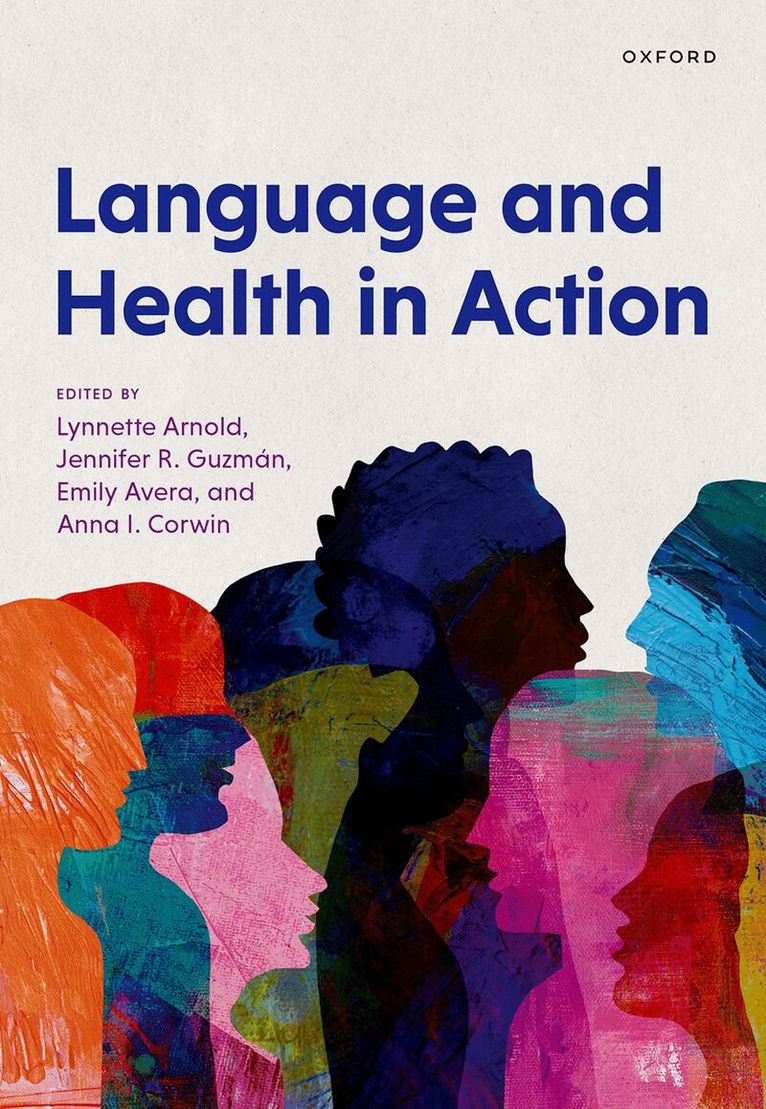
Health and wellbeing are profoundly shaped by communication processes. Language and Health in Action explores these interconnections by bringing together cutting-edge global scholarship from linguistic and medical anthropology. The book highlights the centrality of language practices and language ideologies in how professionals, individuals, families, and communities navigate illness and pursue health across the lifecourse, in clinical contexts, and beyond. Each chapter includes immersive examples from qualitative and ethnographic research, captured in clear and accessible prose. The volume includes a breadth of perspectives on public and global health that include topics such as infectious disease and chronic illness, mental health and addiction, disability, dying, and healing. Contributions shed light on urban and rural settings and the experiences of immigrants, indigenous communities, and other racialized populations. Chapters profile research conducted in Argentina, Chile, Guatemala, South Korea, Mexico, South Africa, Tanzania, and the United States. The book is organized into five thematic sections: clinical interaction, language access, community and communicability, language and environment, and healing practices. To support student readers and instructors, the book begins with an introduction to key terms in social scientific approaches to language and health, and each chapter includes a series of discussion and reflection questions. The volume demonstrates that linguistic and communicative practices, which are often taken for granted, nevertheless have far-reaching consequences for health outcomes.
496 kr
Kommande
Health and wellbeing are profoundly shaped by communication processes. Language and Health in Action explores these interconnections by bringing together cutting-edge global scholarship from linguistic and medical anthropology. The book highlights the centrality of language practices and language ideologies in how professionals, individuals, families, and communities navigate illness and pursue health across the lifecourse, in clinical contexts, and beyond. Each chapter includes immersive examples from qualitative and ethnographic research, captured in clear and accessible prose. The volume includes a breadth of perspectives on public and global health that include topics such as infectious disease and chronic illness, mental health and addiction, disability, dying, and healing. Contributions shed light on urban and rural settings and the experiences of immigrants, indigenous communities, and other racialized populations. Chapters profile research conducted in Argentina, Chile, Guatemala, South Korea, Mexico, South Africa, Tanzania, and the United States. The book is organized into five thematic sections: clinical interaction, language access, community and communicability, language and environment, and healing practices. To support student readers and instructors, the book begins with an introduction to key terms in social scientific approaches to language and health, and each chapter includes a series of discussion and reflection questions. The volume demonstrates that linguistic and communicative practices, which are often taken for granted, nevertheless have far-reaching consequences for health outcomes.