M. Alison Kibler – författare
Visar alla böcker från författaren . Handla med fri frakt och snabb leverans.
8 produkter
8 produkter
Häftad, Engelska, 1999
511 kr
Skickas inom 10-15 vardagar
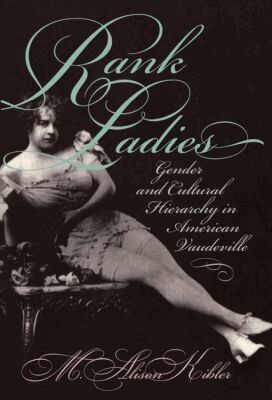
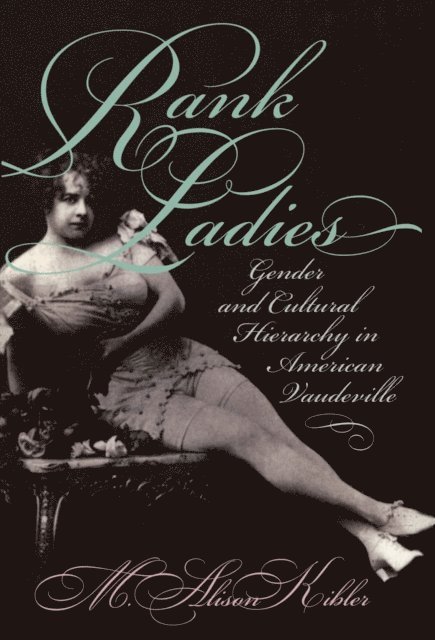
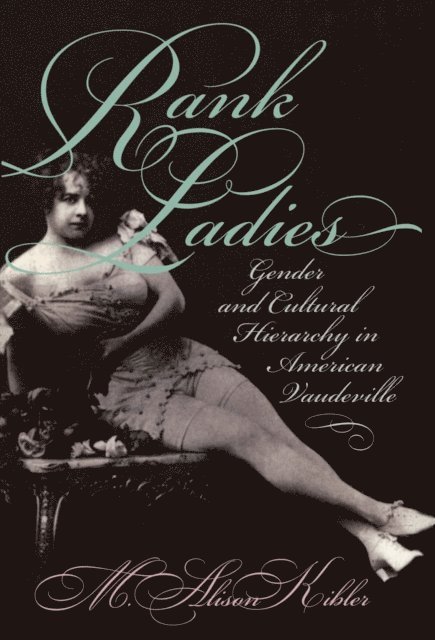
In this comprehensive study of women in vaudeville, Alison Kibler reveals how female performers, patrons and workers shaped the rise and fall of the most popular live entertainment at the turn of the century. She focuses on the role of gender in struggles over whether high or low culture would reign in vaudeville, examining women's performances and careers in vaudeville, their status in the expanding vaudeville audience, and their activity in the vaudevillians' labour union. Alison Kibler demonstrates that respectable women were key to vaudeville's success, as entrepreneurs drew women into audiences that had previously been dominated by working-class men and recruited female artists as performers. But, although theatre managers publicly celebrated the cultural uplift of vaudeville and its popularity among women, in reality their houses were often hostile both to female performers and to female patrons and home to women who challenged conventional understandings of respectable behaviour. Once a sign of vaudeville's refinement, Kibler says, women became associated with the decay of vaudeville and were implicated in broader attacks on mass culture as well.
E-bok
Engelska, 2005387 kr
Läs direkt efter köp
A disrobing acrobat, a female Hamlet, and a tuba-playing labor activist — all these women come to life in Rank Ladies. In this comprehensive study of women in vaudeville, Alison Kibler reveals how female performers, patrons, and workers shaped the rise and fall of the most popular live entertainment at the turn of the century.Kibler focuses on the role of gender in struggles over whether high or low culture would reign in vaudeville, examining women’s performances and careers in vaudeville, their status in the expanding vaudeville audience, and their activity in the vaudevillians'' labor union. Respectable women were a key to vaudeville’s success, she says, as entrepreneurs drew women into audiences that had previously been dominated by working-class men and recruited female artists as performers. But although theater managers publicly celebrated the cultural uplift of vaudeville and its popularity among women, in reality their houses were often hostile both to female performers and to female patrons and home to women who challenged conventional understandings of respectable behavior. Once a sign of vaudeville’s refinement, Kibler says, women became associated with the decay of vaudeville and were implicated in broader attacks on mass culture as well.
Häftad, Engelska, 2015
452 kr
Skickas inom 10-15 vardagar
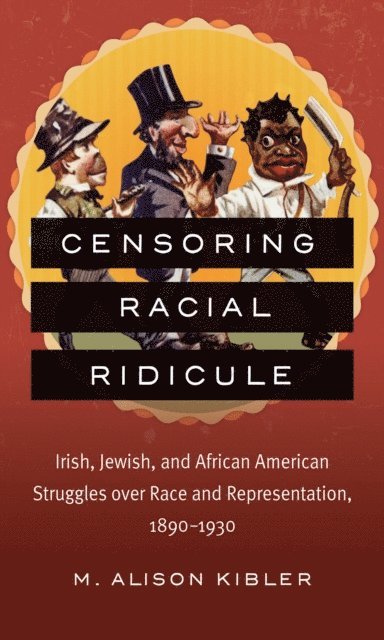
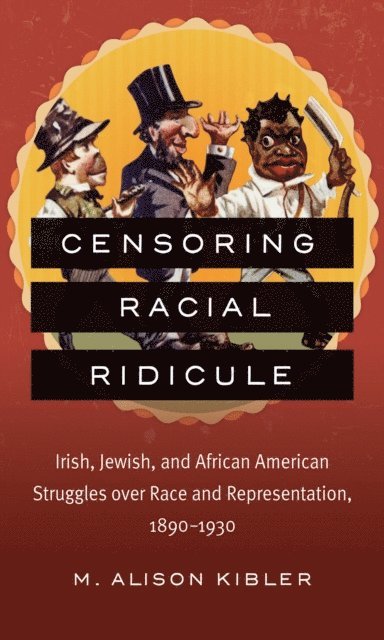
A drunken Irish maid slips and falls. A greedy Jewish pawnbroker lures his female employee into prostitution. An African American man leers at a white woman. These and other, similar images appeared widely on stages and screens across America during the early twentieth century. In this provocative study, M. Alison Kibler uncovers, for the first time, powerful and concurrent campaigns by Irish, Jewish and African Americans against racial ridicule in popular culture at the turn of the twentieth century. Censoring Racial Ridicule explores how Irish, Jewish, and African American groups of the era resisted harmful representations in popular culture by lobbying behind the scenes, boycotting particular acts, and staging theater riots. Kibler demonstrates that these groups' tactics evolved and diverged over time, with some continuing to pursue street protest while others sought redress through new censorship laws. Exploring the relationship between free expression, democracy, and equality in America, Kibler shows that the Irish, Jewish, and African American campaigns against racial ridicule are at the roots of contemporary debates over hate speech.
E-bok
Engelska, 2015416 kr
Läs direkt efter köp
A drunken Irish maid slips and falls. A greedy Jewish pawnbroker lures his female employee into prostitution. An African American man leers at a white woman. These and other, similar images appeared widely on stages and screens across America during the early twentieth century. In this provocative study, M. Alison Kibler uncovers, for the first time, powerful and concurrent campaigns by Irish, Jewish and African Americans against racial ridicule in popular culture at the turn of the twentieth century. Censoring Racial Ridicule explores how Irish, Jewish, and African American groups of the era resisted harmful representations in popular culture by lobbying behind the scenes, boycotting particular acts, and staging theater riots. Kibler demonstrates that these groups'' tactics evolved and diverged over time, with some continuing to pursue street protest while others sought redress through new censorship laws. Exploring the relationship between free expression, democracy, and equality in America, Kibler shows that the Irish, Jewish, and African American campaigns against racial ridicule are at the roots of contemporary debates over hate speech.
E-bok
Engelska, 2015987 kr
Läs direkt efter köp
A drunken Irish maid slips and falls. A greedy Jewish pawnbroker lures his female employee into prostitution. An African American man leers at a white woman. These and other, similar images appeared widely on stages and screens across America during the early twentieth century. In this provocative study, M. Alison Kibler uncovers, for the first time, powerful and concurrent campaigns by Irish, Jewish and African Americans against racial ridicule in popular culture at the turn of the twentieth century. Censoring Racial Ridicule explores how Irish, Jewish, and African American groups of the era resisted harmful representations in popular culture by lobbying behind the scenes, boycotting particular acts, and staging theater riots. Kibler demonstrates that these groups'' tactics evolved and diverged over time, with some continuing to pursue street protest while others sought redress through new censorship laws.Exploring the relationship between free expression, democracy, and equality in America, Kibler shows that the Irish, Jewish, and African American campaigns against racial ridicule are at the roots of contemporary debates over hate speech.
E-bok
PDF, Engelska, 2015306 kr
Läs direkt efter köp
A drunken Irish maid slips and falls. A greedy Jewish pawnbroker lures his female employee into prostitution. An African American man leers at a white woman. These and other, similar images appeared widely on stages and screens across America during the early twentieth century. In this provocative study, M. Alison Kibler uncovers, for the first time, powerful and concurrent campaigns by Irish, Jewish and African Americans against racial ridicule in popular culture at the turn of the twentieth century. Censoring Racial Ridicule explores how Irish, Jewish, and African American groups of the era resisted harmful representations in popular culture by lobbying behind the scenes, boycotting particular acts, and staging theater riots. Kibler demonstrates that these groups' tactics evolved and diverged over time, with some continuing to pursue street protest while others sought redress through new censorship laws.Exploring the relationship between free expression, democracy, and equality in America, Kibler shows that the Irish, Jewish, and African American campaigns against racial ridicule are at the roots of contemporary debates over hate speech.
E-bok
PDF, Engelska, 2015816 kr
Läs direkt efter köp
A drunken Irish maid slips and falls. A greedy Jewish pawnbroker lures his female employee into prostitution. An African American man leers at a white woman. These and other, similar images appeared widely on stages and screens across America during the early twentieth century. In this provocative study, M. Alison Kibler uncovers, for the first time, powerful and concurrent campaigns by Irish, Jewish and African Americans against racial ridicule in popular culture at the turn of the twentieth century. Censoring Racial Ridicule explores how Irish, Jewish, and African American groups of the era resisted harmful representations in popular culture by lobbying behind the scenes, boycotting particular acts, and staging theater riots. Kibler demonstrates that these groups'' tactics evolved and diverged over time, with some continuing to pursue street protest while others sought redress through new censorship laws.Exploring the relationship between free expression, democracy, and equality in America, Kibler shows that the Irish, Jewish, and African American campaigns against racial ridicule are at the roots of contemporary debates over hate speech.
E-bok
PDF, Engelska, 2005387 kr
Läs direkt efter köp
A disrobing acrobat, a female Hamlet, and a tuba-playing labor activist — all these women come to life in Rank Ladies. In this comprehensive study of women in vaudeville, Alison Kibler reveals how female performers, patrons, and workers shaped the rise and fall of the most popular live entertainment at the turn of the century.Kibler focuses on the role of gender in struggles over whether high or low culture would reign in vaudeville, examining women’s performances and careers in vaudeville, their status in the expanding vaudeville audience, and their activity in the vaudevillians'' labor union. Respectable women were a key to vaudeville’s success, she says, as entrepreneurs drew women into audiences that had previously been dominated by working-class men and recruited female artists as performers. But although theater managers publicly celebrated the cultural uplift of vaudeville and its popularity among women, in reality their houses were often hostile both to female performers and to female patrons and home to women who challenged conventional understandings of respectable behavior. Once a sign of vaudeville’s refinement, Kibler says, women became associated with the decay of vaudeville and were implicated in broader attacks on mass culture as well.