M. Asaduzzaman - Böcker
Visar alla böcker från författaren M. Asaduzzaman. Handla med fri frakt och snabb leverans.
4 produkter
4 produkter
1 064 kr
Skickas inom 10-15 vardagar
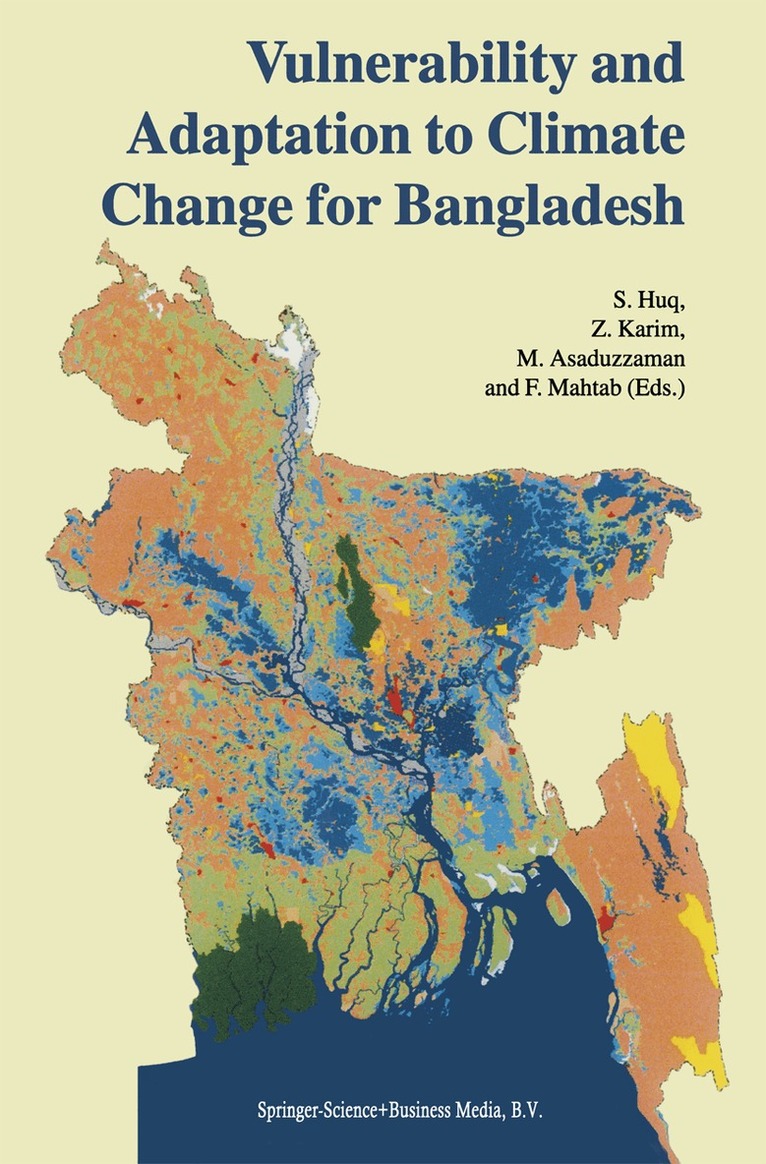
This text is based on a study carried out by a team of experts in different fields from Bangladesh, following a common (IPCC) guideline and with technical support from the US Country Studies team. The study has developed scenarios for the impacts of climate change on agriculture and water sectors, focusing on coastal agriculture and beach erosion in the context of sea-level rise. It has also taken a look at the aspect of adaptation to climate change for a country that is one of the most vulnerable and which will have to live with the impacts of climate change and changing climate. The book is aimed at those who are interested in the impacts of climate change, particularly on developing countries and on low-lying, vulnerable countries like Bangladesh. It is also relevant for those involved in the general development of poor countries under a changing climate.
282 kr
Skickas inom 10-15 vardagar
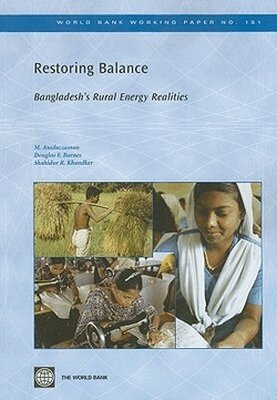
Rural energy's importance to the Bangladesh economy cannot be underestimated. The problems rural people face in obtaining safe, clean, and reliable energy supplies are not minor inconveniences. People are cooking with biomass fuels including large amounts of leaves and grass that expose them harmful indoor air pollution. They light with kerosene or sometimes candles which give off a dim light that hampers studying and reading in the evening. Finally, rural productivity suffers because of lack of access to modern energy. However, the picture also is not all bleak. This study underscores how improved access to rural energy services can created multiple benefits for rural life - from income and labor productivity to education and women's health. Recommended or enhancement of programs for improved stoves, rural electrification, renewable energy and greater access to commercial liquid fuels can significantly improve both the rural productivity and enhance the quality of life in rural Bangladesh.
275 kr
Skickas inom 10-15 vardagar
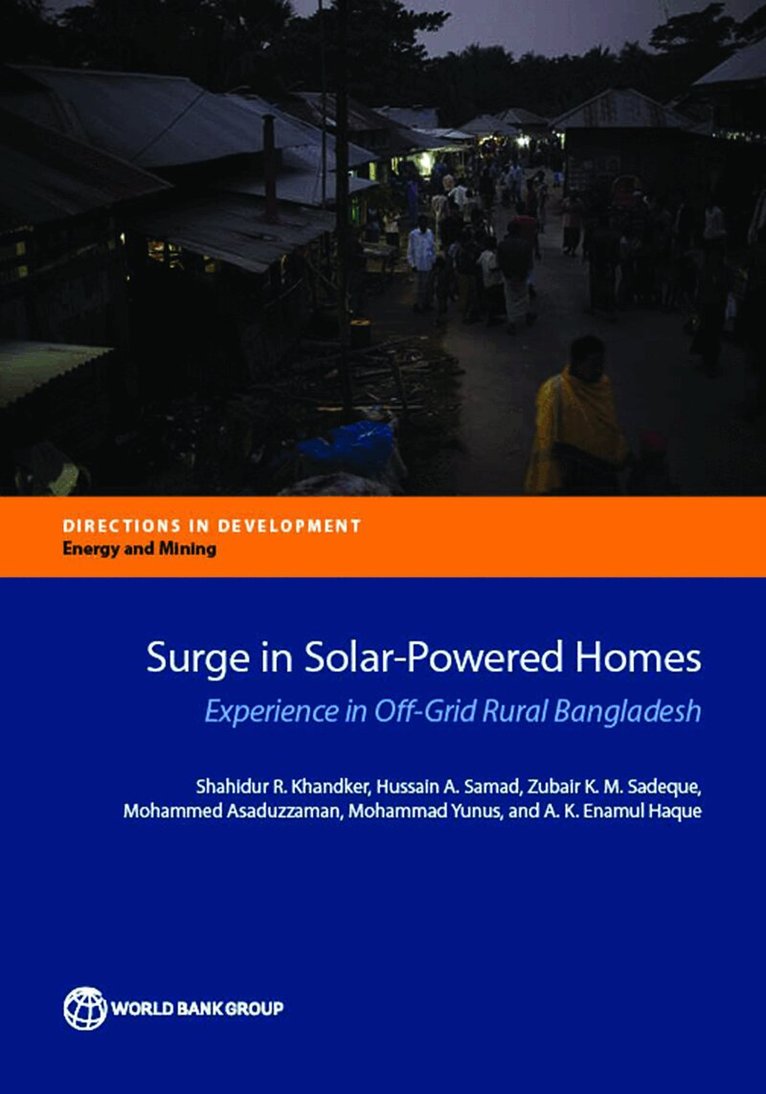
Bangladesh has the world's fastest growing, off-grid solar home system (SHS) coverage. In the past decade, the number of SHS installations has risen phenomenally–from a five-year target of 50,000 in 2003 to 50,000 a month in 2013, with support from the World Bank and other development partners. Even so, only 10 percent of off-grid households have been reached, suggesting ample room for continued expansion. Given the recent surge in SHS adoption, a key policy issue is whether the partial subsidy provided under the current program, implemented by the Infrastructure Development Company Limited (IDCOL), should be continued.Surge in Solar Powered Homes: Off-Grid Experience in Bangladesh assesses the country's remarkable growth in SHS, its support schemes, and the welfare impacts for rural households, using both large-scale household survey and institutional data. The book's findings clearly demonstrate that the social benefits from SHS adoption far exceed the cost of the subsidy. Within the current market incentive structure, there is tremendous scope for broadening the rural market reach. But the high upfront cost of purchasing a SHS at current market prices is a barrier to future sales, suggesting the continued need for IDCOL's well-targeted, subsidized operation.
1 069 kr
Skickas inom 10-15 vardagar
This book is based on a substantial study carried out by a team of experts in different fields from Bangladesh, following a common (IPCC) guideline and with technical support from the US Country Studies Team. The study has for the first time developed scenarios for the impacts of climate change on agriculture and water sectors, focusing on coastal agriculture and beach erosion in the context of sea-level rise. It has also taken a look at the aspect of adaptation to climate change for a country that is one of the most vulnerable and which will have to live with the impacts of climate change and changing climate. The book is meant for all those who are interested in the impacts of climate change, particularly on developing countries and on low-lying, vulnerable countries like Bangladesh. It is also relevant for those involved in the general development of poor countries under a changing climate.