M. B. Malarvili – författare
1 393 kr
Skickas inom 10-15 vardagar
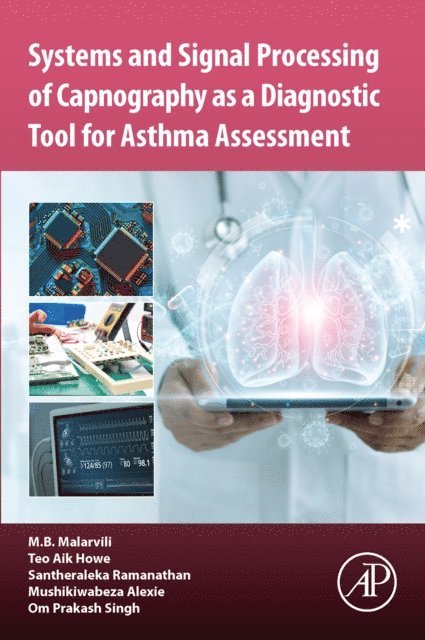
Systems and Signal Processing of Capnography as a Diagnostic Tool for Asthma Assessment provides a comprehensive overview of groundbreaking tools and techniques for the diagnosis and monitoring of asthma. Sections cover an introduction to the human respiratory system and the pathophysiology of asthma before analyzing current assessment concepts, tools and techniques. The book describes spirometry and the peak flow meter as existing tools in assessing asthma along with their limitations. In addition, a detailed description of capnography as a new approach is included with various studies conducted on its analysis.
Academicians and researchers in biomedical engineering, particularly in the course of biomedical signal processing and biomedical instrumentation will find the book useful.
Introduces a new concept of monitoring the severity of Asthma using a new index extracted from CO2 waveforms Describes a newly designed device, including the significance of CO2 features, selection of infrared CO2 sensors, different components of the device, feature extraction, computation and transmission algorithms, data collection, and analysis and performance evaluations Includes types of capnographs, differentiating normal from abnormal capnograms1 980 kr
Läs direkt efter köp
371 kr
Läs direkt efter köp
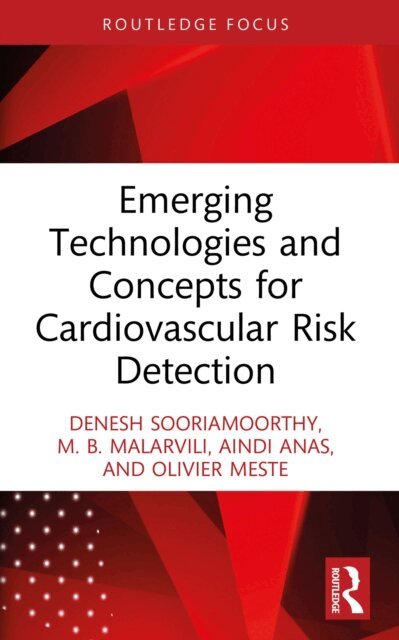
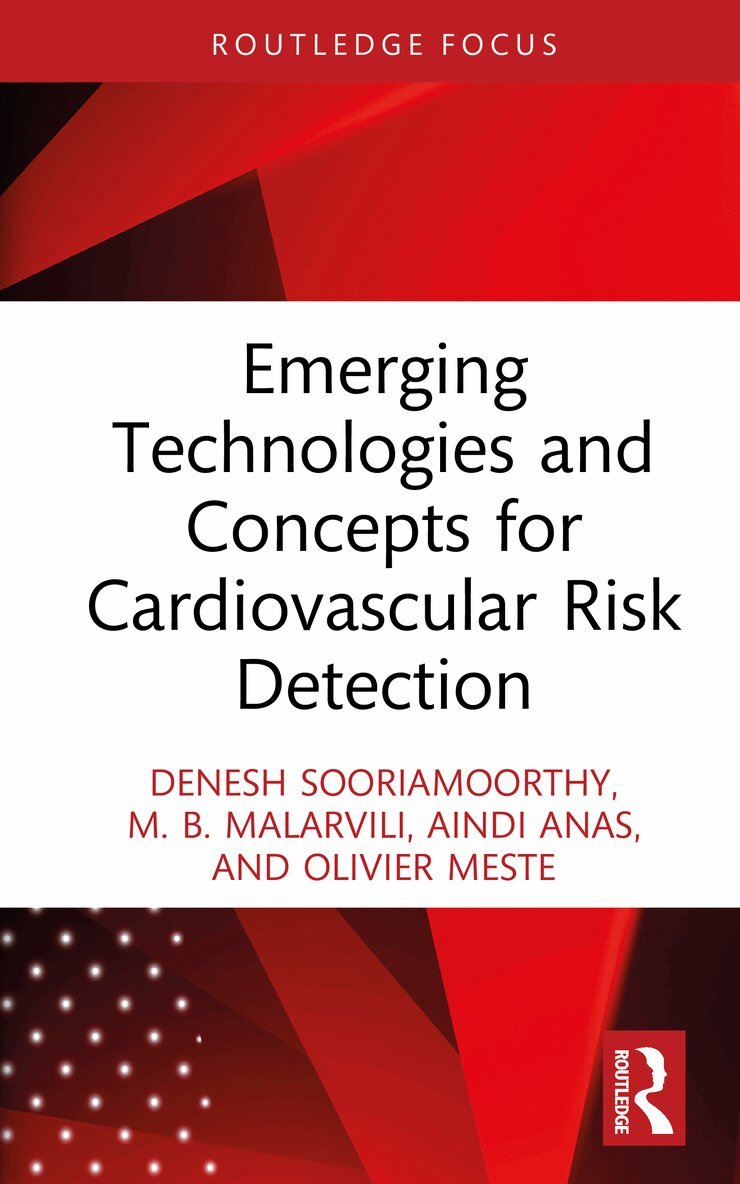
This accessible guide to advanced medical technologies and methodologies for monitoring, diagnosing, and predicting cardiovascular diseases addresses sensor technologies and non-invasive monitoring methods and looks at the growing integration of machine learning and AI.
The authors guide readers from an introduction to the cardiovascular system and a review of traditional and modern diagnostic methods before explaining recent advances in medical technology, such as wearable smart devices and their sensor types (namely, pressure, photoelectric, and ultrasonic), and how these advances have been applied to cardiovascular disease diagnosis and detection. Key topics include pulse wave analysis, sensor technology for radial blood pressure monitoring, and the integration of artificial intelligence to enhance predictive accuracy. With a focus on continuous monitoring solutions, this book highlights groundbreaking research on non-invasive detection methods and the development of intelligent health systems for real-time patient evaluation. The authors also discuss how the widespread implementation of machine learning and deep learning techniques have influenced the field and propose new methods for enhancing continuous monitoring and risk prediction systems. The information within this book will help to bridge the gap between research and clinical practice.
This short guide is a valuable resource primarily for academic readers in the fields of biomedical engineering, physics, computer science, and medical imaging. Clinicians will also benefit from the discussions of applications and future research and clinical trends.
371 kr
Läs direkt efter köp
This accessible guide to advanced medical technologies and methodologies for monitoring, diagnosing, and predicting cardiovascular diseases addresses sensor technologies and non-invasive monitoring methods and looks at the growing integration of machine learning and AI.
The authors guide readers from an introduction to the cardiovascular system and a review of traditional and modern diagnostic methods before explaining recent advances in medical technology, such as wearable smart devices and their sensor types (namely, pressure, photoelectric, and ultrasonic), and how these advances have been applied to cardiovascular disease diagnosis and detection. Key topics include pulse wave analysis, sensor technology for radial blood pressure monitoring, and the integration of artificial intelligence to enhance predictive accuracy. With a focus on continuous monitoring solutions, this book highlights groundbreaking research on non-invasive detection methods and the development of intelligent health systems for real-time patient evaluation. The authors also discuss how the widespread implementation of machine learning and deep learning techniques have influenced the field and propose new methods for enhancing continuous monitoring and risk prediction systems. The information within this book will help to bridge the gap between research and clinical practice.
This short guide is a valuable resource primarily for academic readers in the fields of biomedical engineering, physics, computer science, and medical imaging. Clinicians will also benefit from the discussions of applications and future research and clinical trends.
891 kr
Skickas inom 10-15 vardagar