M. Bjorn Rimscha – författare
3 233 kr
Läs direkt efter köp
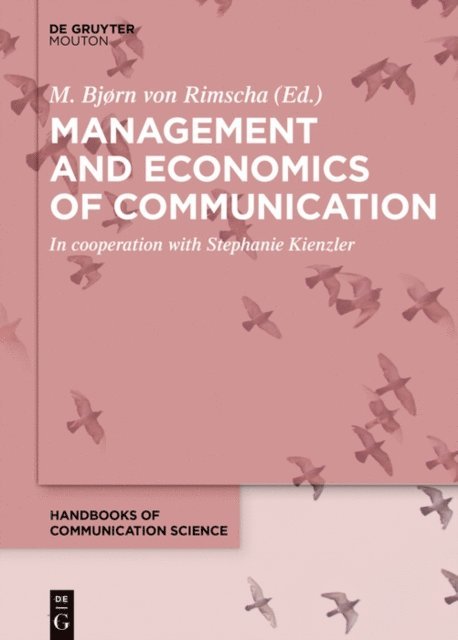
This handbook combines the perspectives of communication studies, economics and management, and psychology in order to provide a comprehensive economic view on personal and mass communication.It is divided into six parts that comprise:
1. an overarching introduction that defines the field and provides a brief overview of its history (1 chapter)2. the most commonly used theoretic frameworks for the analysis of communication economics and management (4 chapters)3. the peculiarities of the quantitative and qualitative methods and data used in the field (3 chapters)4. key issues of the field such as the economics of language, labor in creative industries, media concentration, branding etc. (10 chapters)5. descriptions of the development, trends and peculiarities of the field in different parts of the world, written by scholars from the respective region (10 chapters)6. reflections on future directions for the field, both from a managerial and from an economics perspective (1 chapter).
The authors of the individual chapters represent different academic disciplines, research traditions, and geographic backgrounds. The reader will thus gain multifaceted insights into the management and economics of communication.
3 233 kr
Läs direkt efter köp
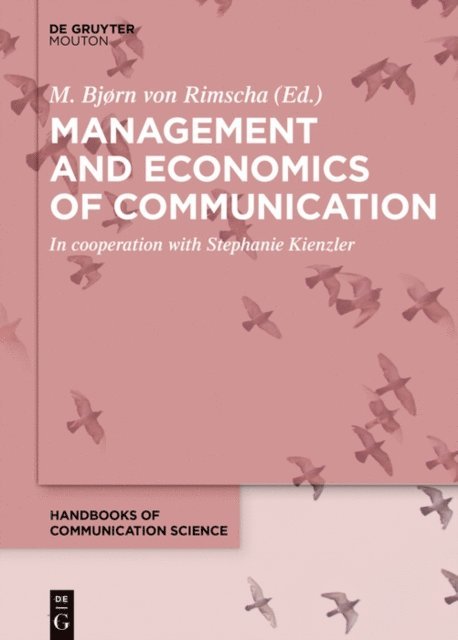
This handbook combines the perspectives of communication studies, economics and management, and psychology in order to provide a comprehensive economic view on personal and mass communication.It is divided into six parts that comprise:
1. an overarching introduction that defines the field and provides a brief overview of its history (1 chapter)2. the most commonly used theoretic frameworks for the analysis of communication economics and management (4 chapters)3. the peculiarities of the quantitative and qualitative methods and data used in the field (3 chapters)4. key issues of the field such as the economics of language, labor in creative industries, media concentration, branding etc. (10 chapters)5. descriptions of the development, trends and peculiarities of the field in different parts of the world, written by scholars from the respective region (10 chapters)6. reflections on future directions for the field, both from a managerial and from an economics perspective (1 chapter).
The authors of the individual chapters represent different academic disciplines, research traditions, and geographic backgrounds. The reader will thus gain multifaceted insights into the management and economics of communication.
1 777 kr
Läs direkt efter köp
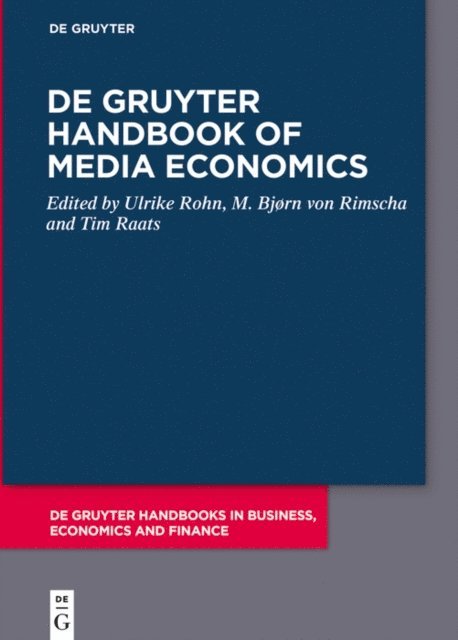
The handbook presents key contributions from scholars worldwide, providing a comprehensive exploration of current trends in media industries from diverse perspectives. Within the framework of understanding contemporary and future trajectories in media markets and industries, the volume delves into their influence on media organization and delivery, along with broader societal and market implications. Encompassing research at the crossroads of economics, management, political economy, and production studies, the handbook emphasizes the necessity for a robust interdisciplinary dialogue. Beyond scrutinizing present and forthcoming industry developments, the handbook addresses pivotal issues pertaining to media economics research methods and pedagogy. It serves as a valuable resource for scholars, students, and media professionals, providing insights into media economics as an academic field and delving into the multifaceted dynamics that shape the media landscape. Doing this, it contributes to the ongoing discourse on the evolving nature of media markets and their profound impact on society.
1 793 kr
Läs direkt efter köp
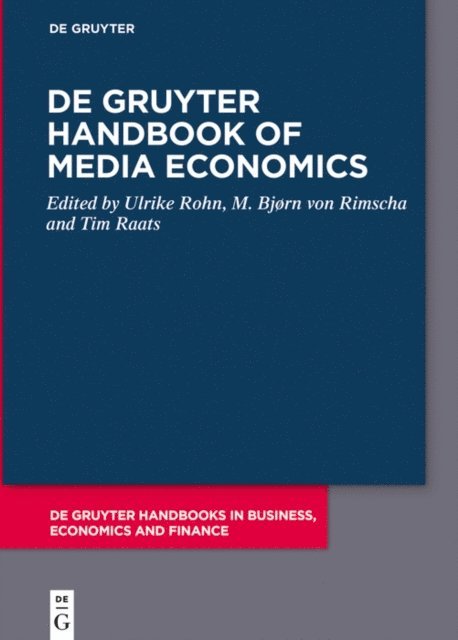
The handbook presents key contributions from scholars worldwide, providing a comprehensive exploration of current trends in media industries from diverse perspectives. Within the framework of understanding contemporary and future trajectories in media markets and industries, the volume delves into their influence on media organization and delivery, along with broader societal and market implications. Encompassing research at the crossroads of economics, management, political economy, and production studies, the handbook emphasizes the necessity for a robust interdisciplinary dialogue. Beyond scrutinizing present and forthcoming industry developments, the handbook addresses pivotal issues pertaining to media economics research methods and pedagogy. It serves as a valuable resource for scholars, students, and media professionals, providing insights into media economics as an academic field and delving into the multifaceted dynamics that shape the media landscape. Doing this, it contributes to the ongoing discourse on the evolving nature of media markets and their profound impact on society.