M C Bishop – författare
Visar alla böcker från författaren M C Bishop. Handla med fri frakt och snabb leverans.
10 produkter
Production and Distribution of Roman Military Equipment
Proceedings of the Second Roman Military Equipment Research Seminar
Av M C Bishop
Häftad, 1985
1375 kr
Lägg i varukorg
Lucius Verus and the Roman Defence of the East
Av M. C. Bishop
Inbunden, 2018
220 kr
Lägg i varukorg
Lucius Verus is one of the least regarded Roman emperors, despite the fact that he was co-ruler with his adoptive brother Marcus Aurelius for nine years until his untimely death. The later sources were strangely hostile to him and modern writers tend to dismiss him, but contemporary writings shine …
Secret History of the Roman Roads of Britain
Av M. C. Bishop
Häftad, 2019
171 kr
Lägg i varukorg
There have been many books on Britain's Roman roads, but none have considered in any depth their long-term strategic impact. Mike Bishop shows how the road network was vital not only in the Roman strategy of conquest and occupation, but influenced the course of British military history during …
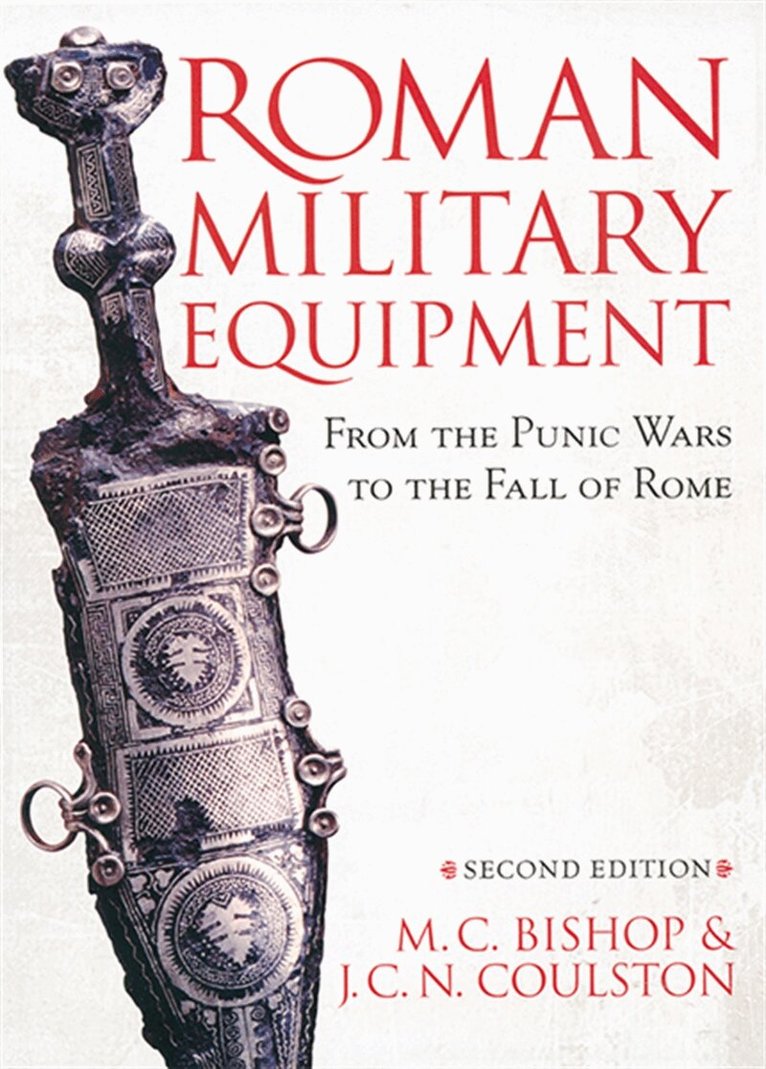
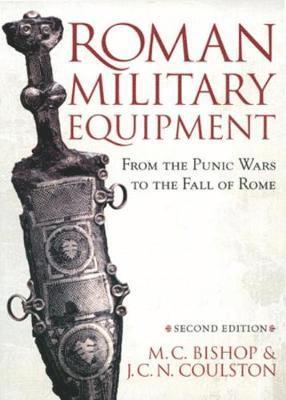
Roman Military Equipment from the Punic Wars to the Fall of Rome, second edition
Av John Coulston, M. C. Bishop
E-bok, 2021
126 kr
Lägg i varukorg
Rome's rise to empire is often said to have owed much to the efficiency and military skill of her armies and their technological superiority over barbarian enemies. But just how 'advanced' was Roman military equipment? What were its origins and how did it evolve? The authors of this book have …
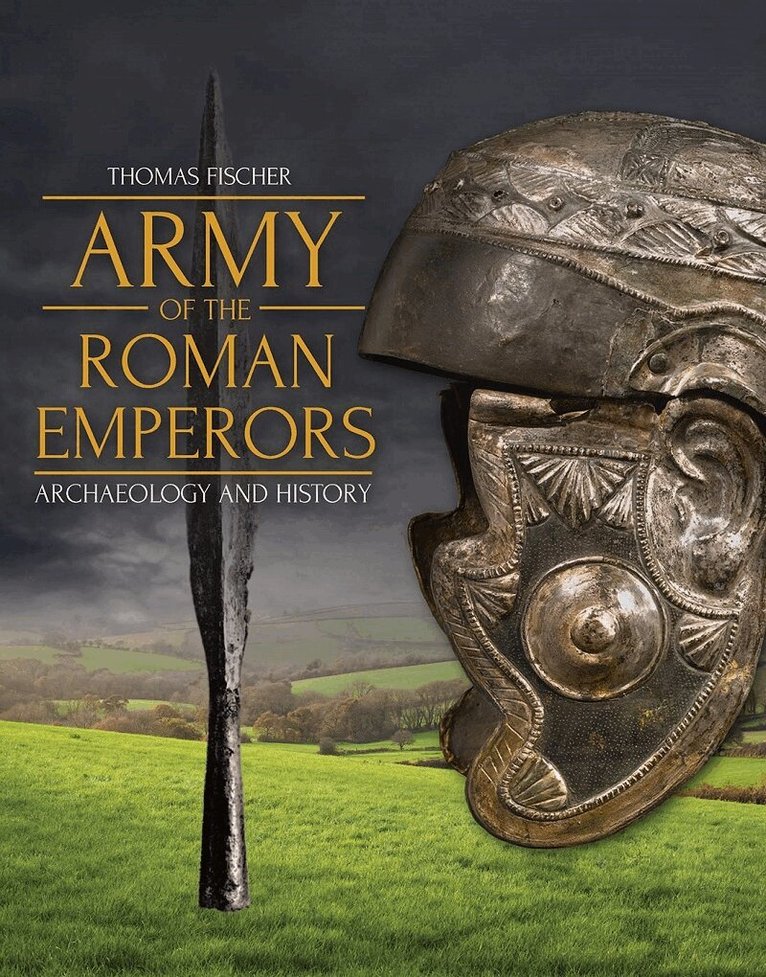
Army of the Roman Emperors
Archaeology and History
Inbunden, 2019
649 kr
Lägg i varukorg
Compared to modern standard, the Roman army of the imperial era was surprisingly small. However, when assessed in terms of their various tasks, they by far outstrip modern armies – acting not only as an armed power of the state in external and internal conflicts, but also carrying out functions …
Archaeological Guide to Walking Hadrian's Wall from Wallsend to Bowness-on-Solway (East to West)
Per Lineam Valli, #3
Av M. C. Bishop
E-bok
45 kr
Lägg i varukorg
Roman Military Equipment from the Punic Wars to the Fall of Rome, second edition
Häftad, 2006
423 kr
Tillfälligt slut
Rome's rise to empire is often said to have owed much to the efficiency and military skill of her armies and their technological superiority over barbarian enemies. But just how 'advanced' was Roman military equipment? What were its origins and how did it evolve? The authors of this book have …
Handbook to Roman Legionary Fortresses
Av M. C. Bishop
Inbunden, 2012
225 kr
Tillfälligt slut
Mike Bishop here provides a handy reference guide to every securely identified Roman legionary fortress. An introductory section details the main building types, the development of fortress plans and construction, their defences and infrastructure. The main body of the book, however, comprises the …