M. Kohlenbach – författare
Visar alla böcker från författaren M. Kohlenbach. Handla med fri frakt och snabb leverans.
6 produkter
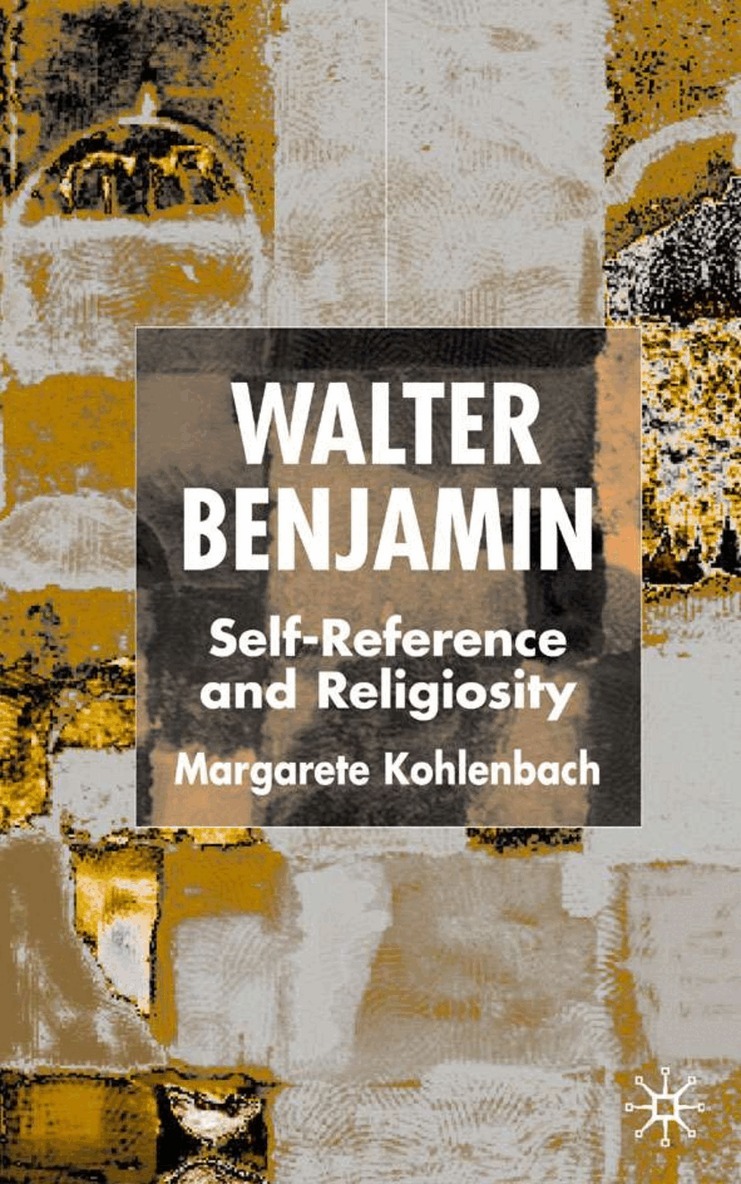
Walter Benjamin
Self-Reference and Religiosity
E-bok, 2002
1550 kr
Lägg i varukorg
Walter Benjamin''s work represents one of the most radical and controversial responses to the problems of twentieth-century culture and society. This new interpretation analyzes some of the central enigmatic features of his writing, arguing that they result from the co-presence of religious …
Early Frankfurt School and Religion
E-bok, 2004
779 kr
Lägg i varukorg
Are religions tissues of superstition and repression, or repositories of the highest hopes and aspirations of humanity, or perhaps both at the same time? For many of those thinkers who lived through the horrors and upheavals of the first half of the twentieth-century, this old question acquired a …
Walter Benjamin
Self-Reference and Religiosity
Inbunden, 2002
1095 kr
Lägg i varukorg
Walter Benjamin's work represents one of the most radical and controversial responses to the problems of twentieth-century culture and society. This new interpretation analyzes some of the central enigmatic features of his writing, arguing that they result from the co-presence of religious …
Walter Benjamin
Self-Reference and Religiosity
Häftad, 2002
1095 kr
Lägg i varukorg
Walter Benjamin's work represents one of the most radical and controversial responses to the problems of twentieth-century culture and society. This new interpretation analyzes some of the central enigmatic features of his writing, arguing that they result from the co-presence of religious …
Early Frankfurt School and Religion
Häftad, 2004
551 kr
Lägg i varukorg
Are religions tissues of superstition and repression, or repositories of the highest hopes and aspirations of humanity, or perhaps both at the same time? For many of those thinkers who lived through the horrors and upheavals of the first half of the twentieth-century, this old question acquired a …
Early Frankfurt School and Religion
Inbunden, 2004
551 kr
Lägg i varukorg
Are religions tissues of superstition and repression, or repositories of the highest hopes and aspirations of humanity, or perhaps both at the same time? For many of those thinkers who lived through the horrors and upheavals of the first half of the twentieth-century, this old question acquired a …