M. Loos - Böcker
Visar alla böcker från författaren M. Loos. Handla med fri frakt och snabb leverans.
3 produkter
3 produkter
1 096 kr
Skickas inom 10-15 vardagar
List of works referred to in abbreviated form. 11 Chapter I: The foundations of mediaeval dualism in the period of late antiquity. 21 Chapter II: The Paulician movement in Byzantium. 32 Chapter III: The rise of a heretical movement in the First Bulgarian Empire. 41 Chapter IV: The Bulgarian Bogomil heresy as portrayed b~ Cosmas the Presbyter in his Sermon against the Heretics. 50 Chapter V: The Bogomil heresy and Byzantine rr. onasticism. 67 Chapter VI: The Bogomils and Paulicians in conflict with the Byzantine state power. 78 Chapter VII: The Bogomil myth as presented by Euthymius Zigabenus. 84 Chapter VIII: Byzantine Bogomilism after Alexius Comnenus. 96 Chapter IX: The western ideal of the vita apoBtoZica and the heretical apostles from the East. 103 Chapter X: The emergence of the Cathar churches and their relations with the Christian East. 127 Chapter XI: The dualist doctrines as seen by western authors . . The myth and the ethics. 133 Chapter XII: Catharism and the western world. 147 Chapter XIII: The beginnings of heresy in Bosnia. 162 Chapter XIV: The cUlmination of the fight against heresy in Western Europe.167 Chapter XV: Heresy "in partibus Sclavoniae" - the crusade against Bosnia. 211 Chapter XVI: The struggle against the Bogomil heresy in Serbia under the Nemanjid dynasty. in the Second Bulgarian Empire. and in contemporary Byzantium. 225 Chapter XVII: Ecclesia Romana and "ecclesia Dei". 240 Chapter XVIII: The end of the Cathar sect in western Europe. 276 Chapter XIX: The "Bosnian Church".
1 096 kr
Skickas inom 10-15 vardagar
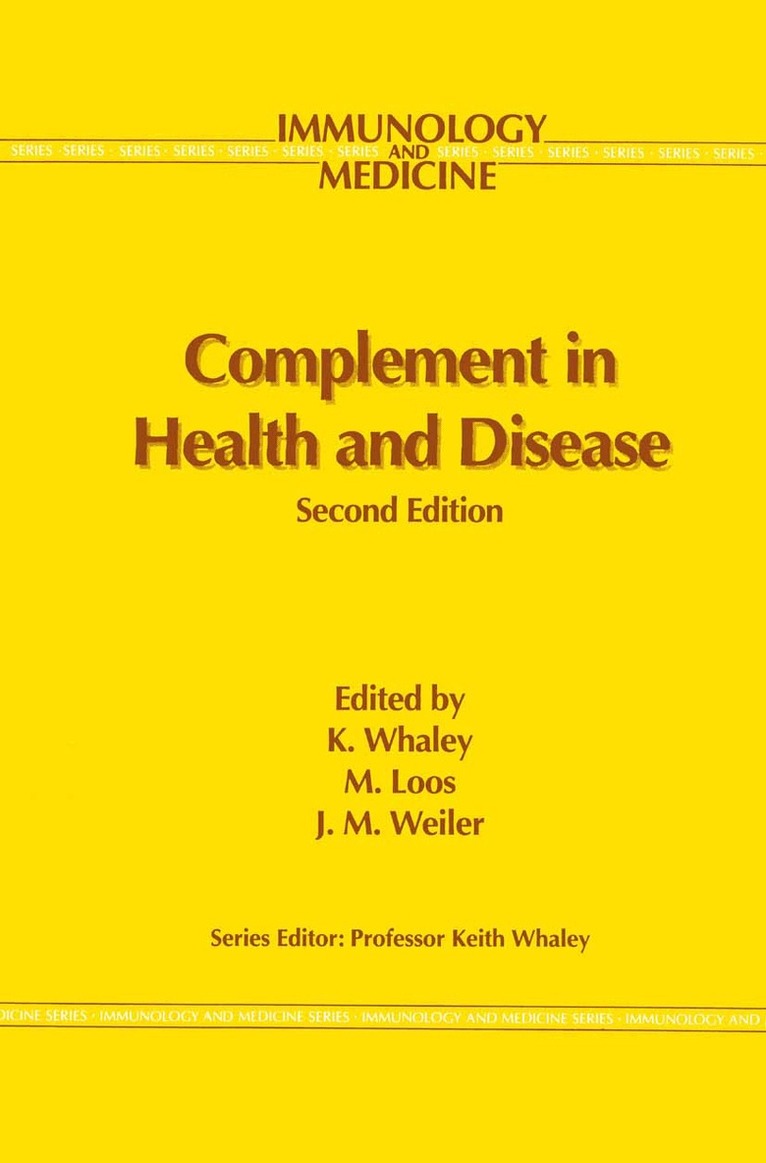
Since the first edition of Complement in Health and Disease was published in 1986, significant advances have been made. The cDNAs for all of the components and some of the receptors have been cloned and sequenced. The chromosomal localization and the structural organization of a number of these genes have now been determined. These advances are now facilitating research into the structure of the complement proteins, the nature of the complement deficiency syndromes, the regulation of complement gene expression and the role of complement in different diseases. This edition contains contributions from both basic and clinical scientists in a format which we hope will appeal to both immunologists and physicians who wish to know more about this fascinating and important host defence system. The introductory chapter by John Weiler presents a historical background to research on the complement system and describes the biochemical events occurring during activation of the system. In Chapter 2 Alastair Dodds and Tony Day discuss the phylogeny and evolution of the complement system. The techniques of protein chemistry and molecular biology have provided powerful insights into the modular structure of complement proteins and the evolution of the complement system. The structure and organisation of the complement genes is described in Chapter 3 by Ken Reid and Duncan Campbell. This chapter describes the modular structure of the complement proteins and some of the mutations which are responsible for deficiencies of individual components.
1 096 kr
Skickas inom 10-15 vardagar
List of works referred to in abbreviated form. 11 Chapter I: The foundations of mediaeval dualism in the period of late antiquity. 21 Chapter II: The Paulician movement in Byzantium. 32 Chapter III: The rise of a heretical movement in the First Bulgarian Empire. 41 Chapter IV: The Bulgarian Bogomil heresy as portrayed b~ Cosmas the Presbyter in his Sermon against the Heretics. 50 Chapter V: The Bogomil heresy and Byzantine rr. onasticism. 67 Chapter VI: The Bogomils and Paulicians in conflict with the Byzantine state power. 78 Chapter VII: The Bogomil myth as presented by Euthymius Zigabenus. 84 Chapter VIII: Byzantine Bogomilism after Alexius Comnenus. 96 Chapter IX: The western ideal of the vita apoBtoZica and the heretical apostles from the East. 103 Chapter X: The emergence of the Cathar churches and their relations with the Christian East. 127 Chapter XI: The dualist doctrines as seen by western authors . . The myth and the ethics. 133 Chapter XII: Catharism and the western world. 147 Chapter XIII: The beginnings of heresy in Bosnia. 162 Chapter XIV: The cUlmination of the fight against heresy in Western Europe.167 Chapter XV: Heresy "in partibus Sclavoniae" - the crusade against Bosnia. 211 Chapter XVI: The struggle against the Bogomil heresy in Serbia under the Nemanjid dynasty. in the Second Bulgarian Empire. and in contemporary Byzantium. 225 Chapter XVII: Ecclesia Romana and "ecclesia Dei". 240 Chapter XVIII: The end of the Cathar sect in western Europe. 276 Chapter XIX: The "Bosnian Church".