M. Mercedes Maroto-Valer – författare
Visar alla böcker från författaren M. Mercedes Maroto-Valer. Handla med fri frakt och snabb leverans.
9 produkter
9 produkter
Häftad, Engelska, 2016
2 171 kr
Skickas inom 10-15 vardagar
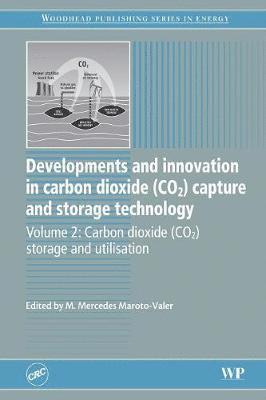
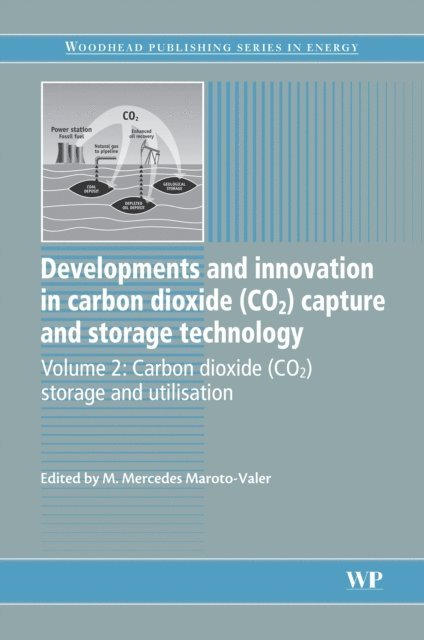
Carbon dioxide (CO2) capture and storage (CCS) is the one advanced technology that conventional power generation cannot do without. CCS technology reduces the carbon footprint of power plants by capturing, and storing the CO2 emissions from burning fossil-fuels and biomass. This volume provides a comprehensive reference on the state of the art research, development and demonstration of carbon storage and utilisation, covering all the storage options and their environmental impacts. It critically reviews geological, terrestrial and ocean sequestration, including enhanced oil and gas recovery, as well as other advanced concepts such as industrial utilisation, mineral carbonation, biofixation and photocatalytic reduction.Foreword written by Lord Oxburgh, Climate Science PeerComprehensively examines the different methods of storage of carbon dioxide (CO2) and the various concepts for utilisationReviews geological sequestration of CO2, including coverage of reservoir sealing and monitoring and modelling techniques used to verify geological sequestration of CO2
Häftad, Engelska, 2016
2 171 kr
Skickas inom 10-15 vardagar
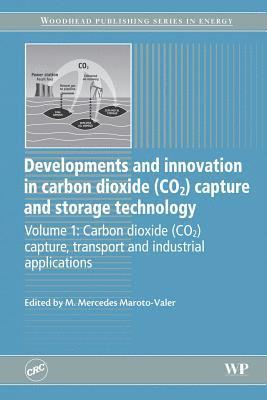
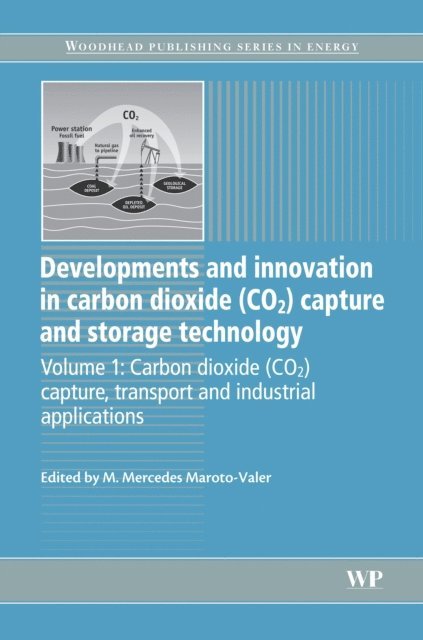
Carbon dioxide (CO2) capture and storage (CCS) is the one advanced technology that conventional power generation cannot do without. CCS technology reduces the carbon footprint of power plants by capturing and storing the CO2 emissions from burning fossil-fuels and biomass. This volume provides a comprehensive reference on the state of the art research, development and demonstration of carbon capture technology in the power sector and in industry. It critically reviews the range of post- and pre-combustion capture and combustion-based capture processes and technology applicable to fossil-fuel power plants, as well as applications of CCS in other high carbon footprint industries.Foreword written by Lord Oxburgh, Climate Science PeerReviews the economics, regulation and planning of carbon capture and storage for power plants and industryExplores developments in combustion processes and technologies for CO2 capture in power plants
Häftad, Engelska, 2016
1 919 kr
Skickas inom 10-15 vardagar
An increasingly important feature across the technical textile industry is to produce textiles faster and to have more effective new product development (NPD). New product development in textiles: Innovation and production not only provides a fascinating overview of how products are launched, but is also a source of practical guidance for developing textile products successfully.Part one provides a general overview of innovation and textile product development that introduces the reader to the principles of developing and defining new products. Part two goes on to discuss a collection of international studies from across the textile industry. Chapters describe actual new product development projects, identifying the problems that were faced and what can be learnt from these projects, such as customer co-creation and methods for reducing the risk in NPD. Topics range from technical textiles and apparel to the end uses of textiles used within the automotive and packaging industries.With its distinguished editor and international team of expert contributors New product development in textiles: Innovation and production is an essential guide for academics and textile development professionals worldwide, in sectors ranging from design, production and marketing through to management.
Inbunden, Engelska, 2002
1 090 kr
Skickas inom 10-15 vardagar
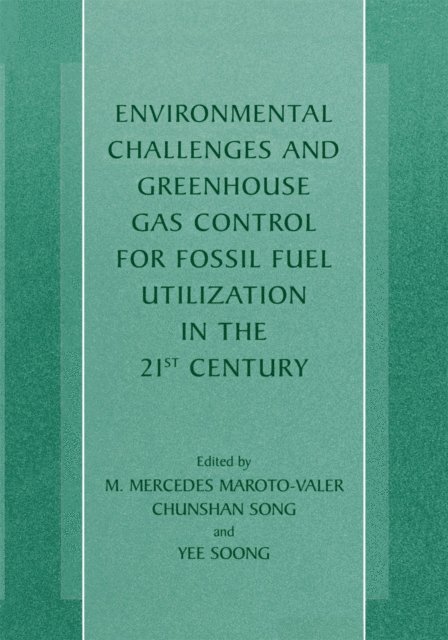
As we are moving ahead into the 21st century, our hunger for cost effective and environmentally friendly energy continues to grow. The Energy Information Administration of US has forecasted that only in the first two decades of the 21st century, our energy demand will increase by 60% compared to the levels at the end of the 20th century. Fossil fuels have been traditionally the major primary energy sources worldwide, and their role is expected to continue growing for the forecasted period, due to their inherent cost competitiveness compared to non-fossil fuel energy sources. However, the current fossil energy scenario is undergoing significant transformations, especially to accommodate increasingly stringent environmental challenges of contaminants like sulfur dioxide, nitrogen oxides or mercury, while still providing affordable energy. Furthermore, traditional fossil fuel utilization is inherently plagued with greenhouse gas emissions from combustion, especially carbon dioxide from stationary sources as well as from mobile sources. Should worldwide government policies dictate a reduction of greenhouse gas emissions, such as proposed by the Kyoto Protocol and the implementation of carbon taxes, fossil fuels would lose their significant competitive appeal in favor of nuclear energy and renewable energy sources. However, the current non-fossil fuel energy share of the worldwide energy market is merely below 15%, and therefore, it is more likely that fossil fuel energy producers would adapt to the new requirements by developing and implementing emission control technologies, and emission trades among other strategies.
Häftad, Engelska, 2012
1 090 kr
Skickas inom 10-15 vardagar
As we are moving ahead into the 21st century, our hunger for cost effective and environmentally friendly energy continues to grow. The Energy Information Administration of US has forecasted that only in the first two decades of the 21st century, our energy demand will increase by 60% compared to the levels at the end of the 20th century. Fossil fuels have been traditionally the major primary energy sources worldwide, and their role is expected to continue growing for the forecasted period, due to their inherent cost competitiveness compared to non-fossil fuel energy sources. However, the current fossil energy scenario is undergoing significant transformations, especially to accommodate increasingly stringent environmental challenges of contaminants like sulfur dioxide, nitrogen oxides or mercury, while still providing affordable energy. Furthermore, traditional fossil fuel utilization is inherently plagued with greenhouse gas emissions from combustion, especially carbon dioxide from stationary sources as well as from mobile sources. Should worldwide government policies dictate a reduction of greenhouse gas emissions, such as proposed by the Kyoto Protocol and the implementation of carbon taxes, fossil fuels would lose their significant competitive appeal in favor of nuclear energy and renewable energy sources. However, the current non-fossil fuel energy share of the worldwide energy market is merely below 15%, and therefore, it is more likely that fossil fuel energy producers would adapt to the new requirements by developing and implementing emission control technologies, and emission trades among other strategies.
E-bok
PDF, Engelska, 20121 367 kr
Läs direkt efter köp
As we are moving ahead into the 21st century, our hunger for cost effective and environmentally friendly energy continues to grow. The Energy Information Administration of US has forecasted that only in the first two decades of the 21st century, our energy demand will increase by 60% compared to the levels at the end of the 20th century. Fossil fuels have been traditionally the major primary energy sources worldwide, and their role is expected to continue growing for the forecasted period, due to their inherent cost competitiveness compared to non-fossil fuel energy sources. However, the current fossil energy scenario is undergoing significant transformations, especially to accommodate increasingly stringent environmental challenges of contaminants like sulfur dioxide, nitrogen oxides or mercury, while still providing affordable energy. Furthermore, traditional fossil fuel utilization is inherently plagued with greenhouse gas emissions from combustion, especially carbon dioxide from stationary sources as well as from mobile sources. Should worldwide government policies dictate a reduction of greenhouse gas emissions, such as proposed by the Kyoto Protocol and the implementation of carbon taxes, fossil fuels would lose their significant competitive appeal in favor of nuclear energy and renewable energy sources. However, the current non-fossil fuel energy share of the worldwide energy market is merely below 15%, and therefore, it is more likely that fossil fuel energy producers would adapt to the new requirements by developing and implementing emission control technologies, and emission trades among other strategies.
Inbunden, Engelska, 2010
3 854 kr
Skickas inom 5-8 vardagar
Carbon dioxide (CO2) capture and storage (CCS) is the one advanced technology that conventional power generation cannot do without. CCS technology reduces the carbon footprint of power plants by capturing and storing the CO2 emissions from burning fossil-fuels and biomass. Volume one provides a comprehensive reference on the state of the art research, development and demonstration of carbon capture technology in the power sector and in industry. It critically reviews the range of post- and pre-combustion capture and combustion-based capture processes and technology applicable to fossil-fuel power plants, as well as applications of CCS in other high carbon footprint industries.Volume two provides a comprehensive reference on the state of the art research, development and demonstration of carbon storage and utilisation, covering all the storage options and their environmental impacts. It critically reviews geological, terrestrial and ocean sequestration, including enhanced oil and gas recovery, as well as other advanced concepts such as industrial utilisation, mineral carbonation, biofixation and photocatalytic reduction.
E-bok
Engelska, 20102 773 kr
Läs direkt efter köp
Carbon dioxide (CO2) capture and storage (CCS) is the one advanced technology that conventional power generation cannot do without. CCS technology reduces the carbon footprint of power plants by capturing and storing the CO2 emissions from burning fossil-fuels and biomass. This volume provides a comprehensive reference on the state of the art research, development and demonstration of carbon capture technology in the power sector and in industry. It critically reviews the range of post- and pre-combustion capture and combustion-based capture processes and technology applicable to fossil-fuel power plants, as well as applications of CCS in other high carbon footprint industries.- Foreword written by Lord Oxburgh, Climate Science Peer- Reviews the economics, regulation and planning of carbon capture and storage for power plants and industry- Explores developments in combustion processes and technologies for CO2 capture in power plants
E-bok
Engelska, 20102 748 kr
Läs direkt efter köp
Carbon dioxide (CO2) capture and storage (CCS) is the one advanced technology that conventional power generation cannot do without. CCS technology reduces the carbon footprint of power plants by capturing, and storing the CO2 emissions from burning fossil-fuels and biomass. This volume provides a comprehensive reference on the state of the art research, development and demonstration of carbon storage and utilisation, covering all the storage options and their environmental impacts. It critically reviews geological, terrestrial and ocean sequestration, including enhanced oil and gas recovery, as well as other advanced concepts such as industrial utilisation, mineral carbonation, biofixation and photocatalytic reduction.- Foreword written by Lord Oxburgh, Climate Science Peer- Comprehensively examines the different methods of storage of carbon dioxide (CO2) and the various concepts for utilisation- Reviews geological sequestration of CO2, including coverage of reservoir sealing and monitoring and modelling techniques used to verify geological sequestration of CO2