M. Niss – författare
Visar alla böcker från författaren M. Niss. Handla med fri frakt och snabb leverans.
6 produkter
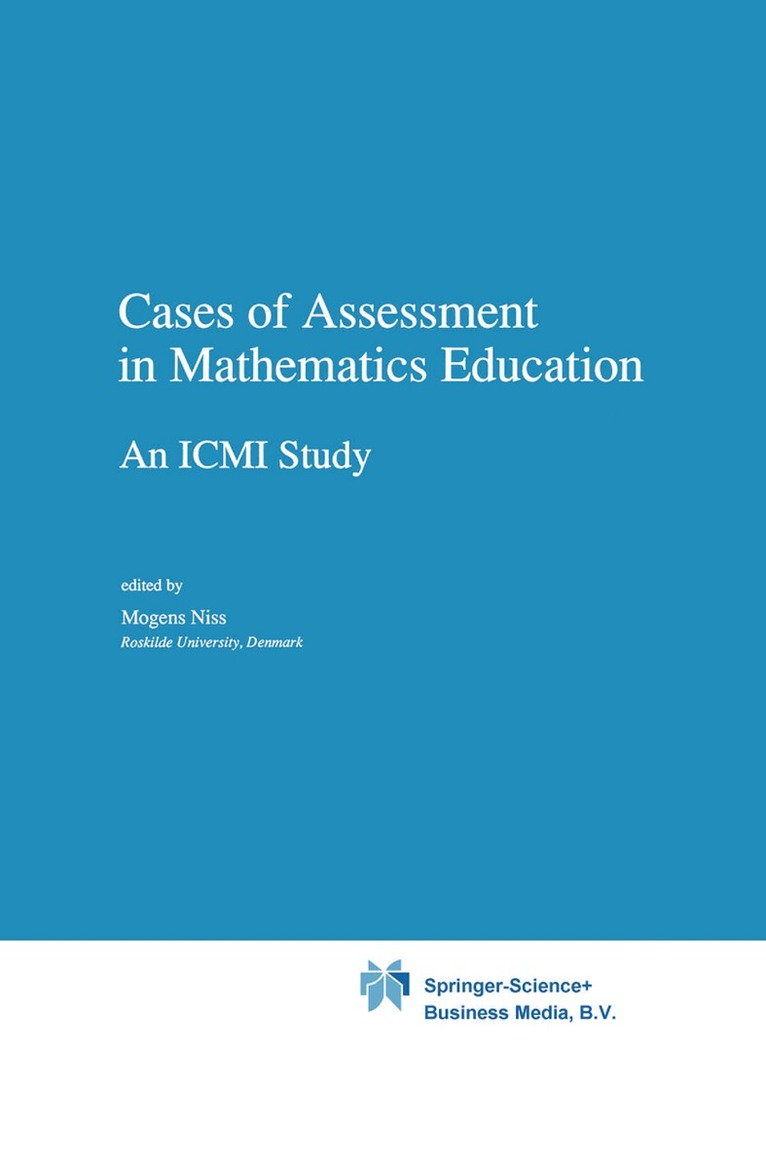
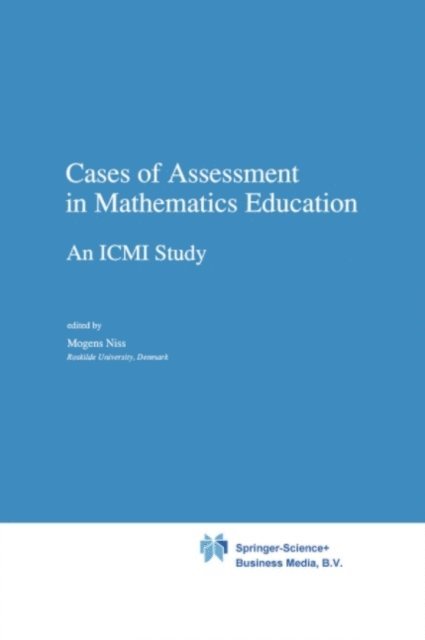
Cases of Assessment in Mathematics Education
An ICMI Study
Av M. Niss
Inbunden, 1992
1098 kr
Lägg i varukorg
This book is one of the first to present a variety of carefully selected cases to describe and analyze in depth and considerable detail assessment in mathematics education in various interesting places in the world. The book is based on work presented at an invited international ICMI seminar and …
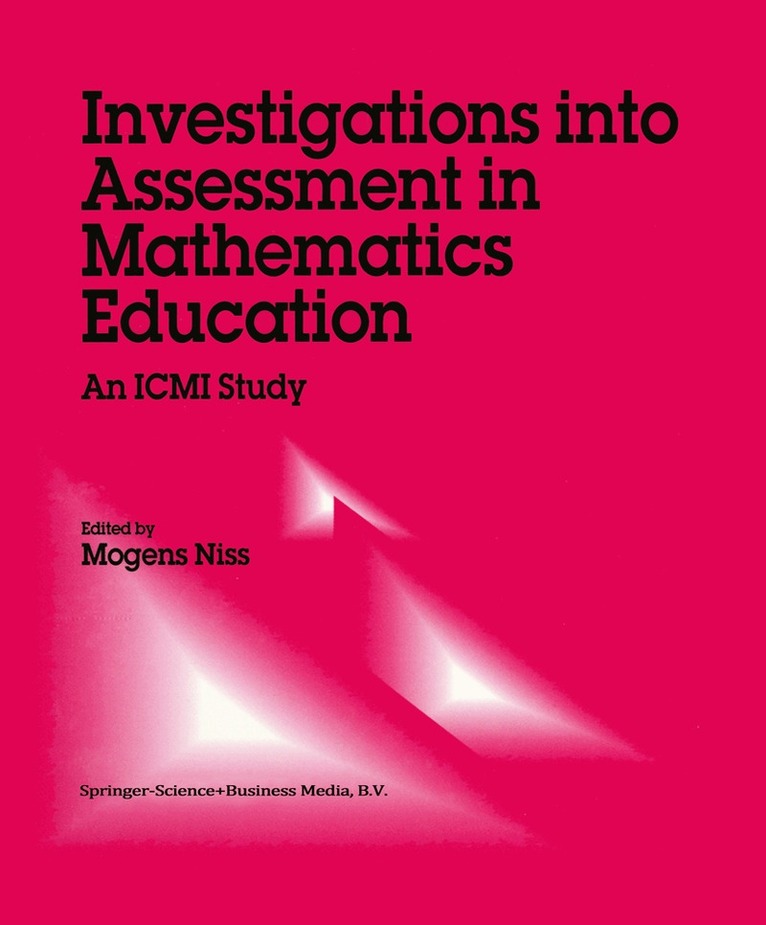
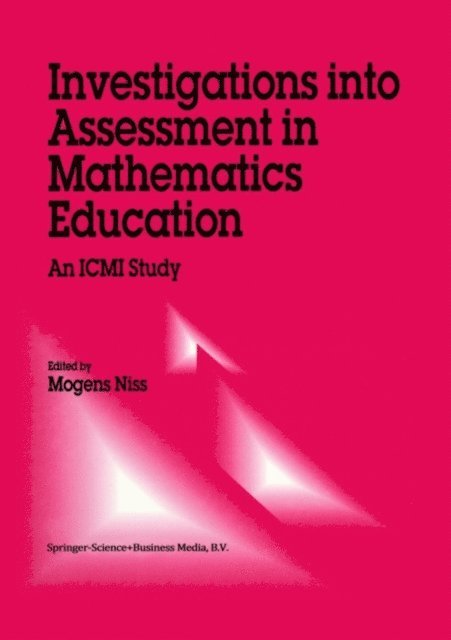
Investigations into Assessment in Mathematics Education
An ICMI Study
Av M. Niss
Inbunden, 1992
1098 kr
Lägg i varukorg
This book is one of the first to attempt a systematic in-depth analysis of assessment in mathematics education in most of its important aspects: it deals with assessment in mathematics education from historical, psychological, sociological, epistmological, ideological, and political perspectives. …
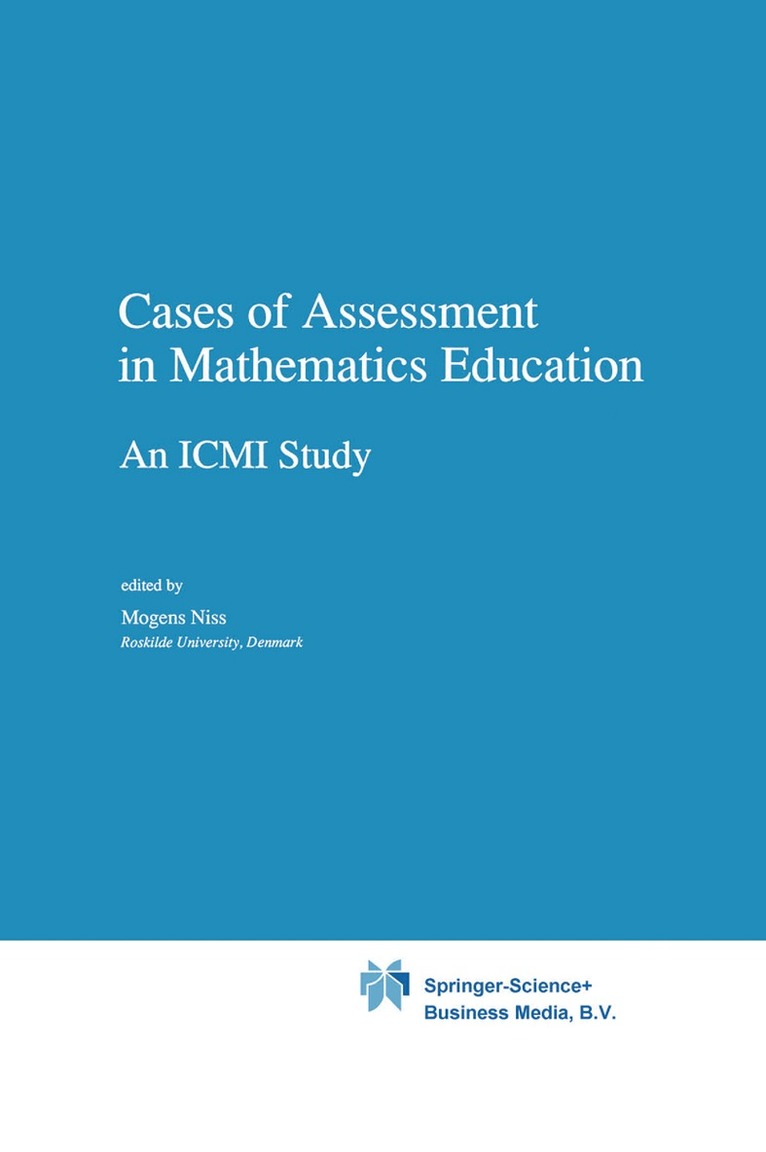
Cases of Assessment in Mathematics Education
An ICMI Study
Av M. Niss
Häftad, 2010
1098 kr
Lägg i varukorg
The present book, Cases of Assessment in Mathematics Education, is one of two studies resulting from an ICMI Study Conference on Assessment in Mathematics Education and Its Effects. The book which is published in the series of ICMI Studies under the general editorship of the President and Secretary …
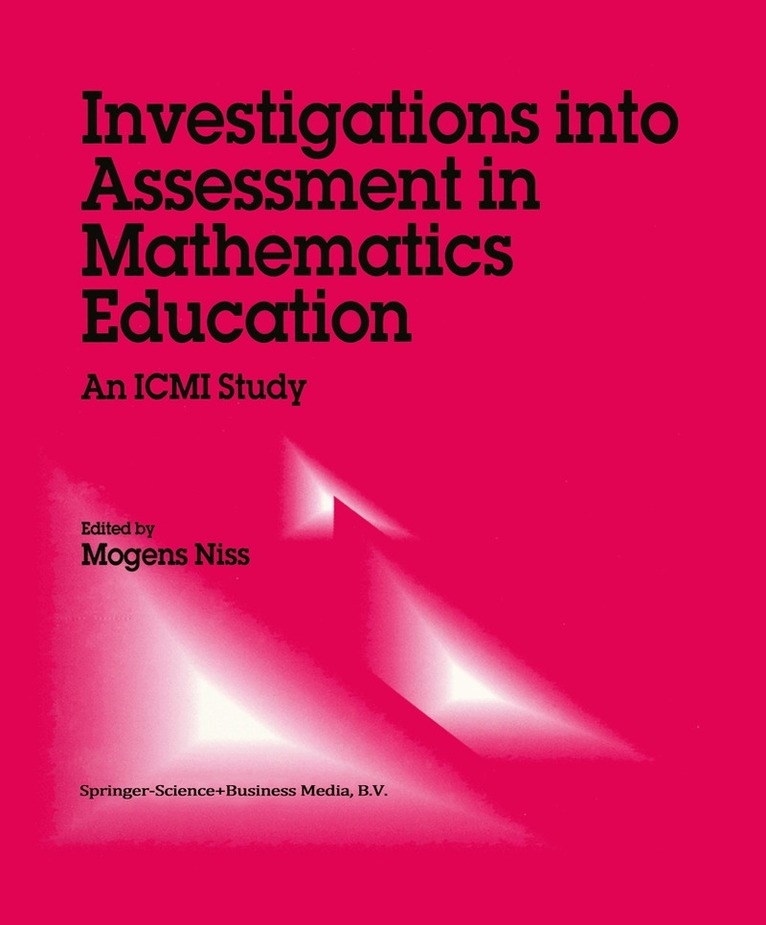
Investigations into Assessment in Mathematics Education
An ICMI Study
Av M. Niss
Häftad, 2010
1098 kr
Lägg i varukorg
This book is one of the first to attempt a systematic in-depth analysis of assessment in mathematics education in most of its important aspects: it deals with assessment in mathematics education from historical, psychological, sociological, epistmological, ideological, and political perspectives. …
Cases of Assessment in Mathematics Education
An ICMI Study
Av M. Niss
E-bok, 2013
1459 kr
Lägg i varukorg
The present book, Cases of Assessment in Mathematics Education, is one of two studies resulting from an ICMI Study Conference on Assessment in Mathematics Education and Its Effects. The book which is published in the series of ICMI Studies under the general editorship of the President and Secretary …
Investigations into Assessment in Mathematics Education
An ICMI Study
Av M. Niss
E-bok, 2013
1459 kr
Lägg i varukorg
This book is one of the first to attempt a systematic in-depth analysis of assessment in mathematics education in most of its important aspects: it deals with assessment in mathematics education from historical, psychological, sociological, epistmological, ideological, and political perspectives. …