M. Owen Lee – författare
Visar alla böcker från författaren M. Owen Lee. Handla med fri frakt och snabb leverans.
23 produkter
23 produkter
Häftad, Engelska, 1997
307 kr
Skickas inom 5-8 vardagar
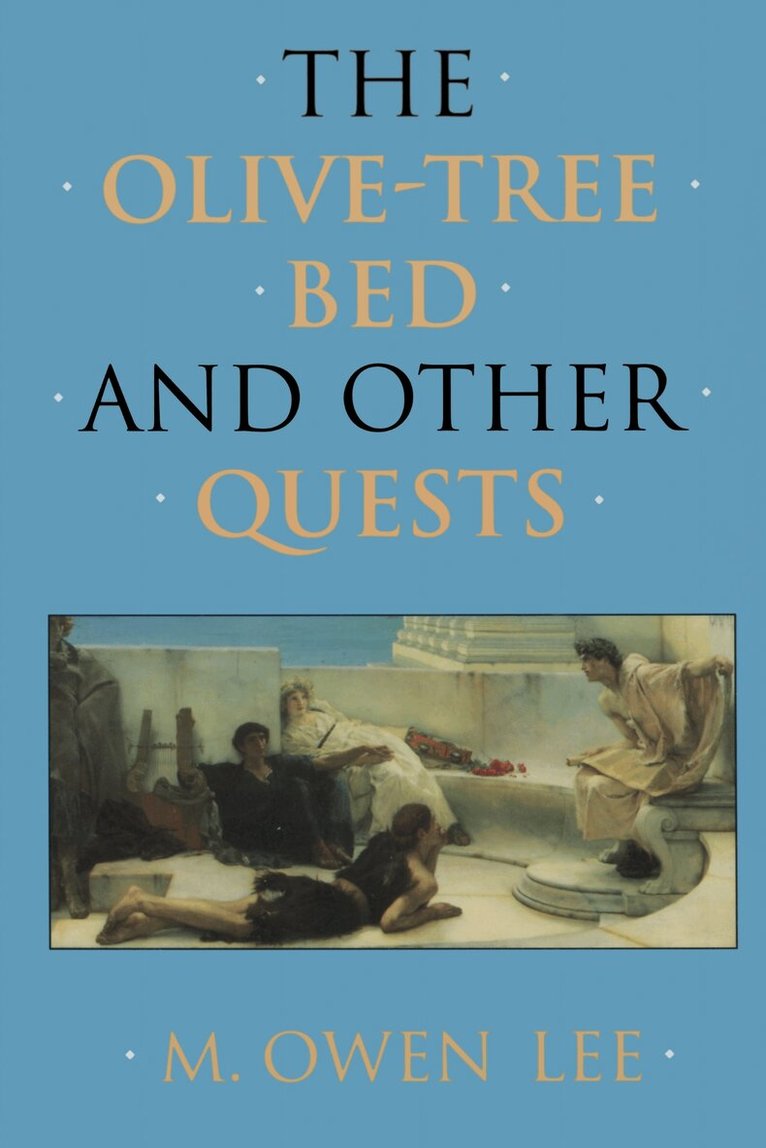
In The Olive-Tree Bed and Other Quests, the fourth in the series of Robson Lectures published by the University of Toronto Press, Father Lee studies the quest myth as it occurs in Homer's Odyssey, Virgil's Aeneid, Wagner's Parsifal and Goethe's Faust. Though the four works represent four different genres - oral epic, written epic, music drama, and poetic drama - each deals with the finding of an elusive goal attainable only by the hero called to find it. The questing for the olive-tree bed, the Golden Bough, the Holy Grail, and the Eternal Feminine is, at the deepest level, the hero's search to find the meaning in his life. Though Father Lee's lectures address critical problems in the four works, and draw to some extent on Jungian insights, this volume is also a personal memoir written in the belletristic style for which its author has become known. Father Lee wears his learning lightly, and his writing changes from chapter to chapter as it reflects, in turn, the clarity and naïve sense of wonder in Homer, the darkness and ambivalence in Virgil, the intuitive mysticism of Wagner, and the riotously imaginative exuberance of Goethe. Each of the four quests comes eventually to be seen as every person's search to discover himself - for the journey of the hero is the myth each of us is called to live.
Häftad, Engelska, 2000
360 kr
Skickas inom 5-8 vardagar
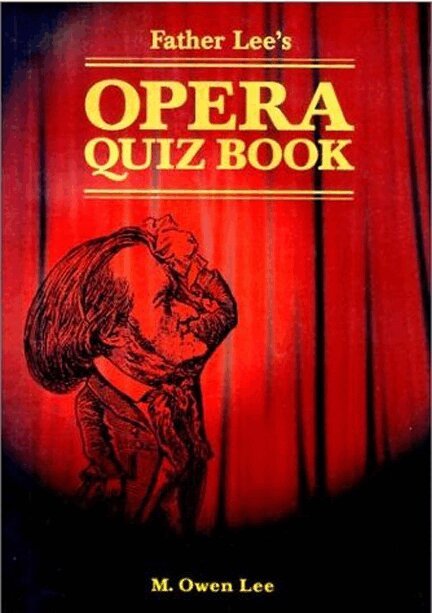
How well do you think you know your opera? Match wits with Metropolitan Opera quiz master Father Owen Lee in forty-five opera-related puzzles, including straight-forward quizzes, anagrams, vertical patterns, crostics, and crossword puzzles. Each puzzle has a theme, such as baseball and opera, movies and opera, and operas set in Paris. Forty-three of the puzzles have been collected from Father Lee's column in The Opera Quarterly, along with two new puzzles especially created for this volume.
Häftad, Engelska, 2007
345 kr
Skickas inom 5-8 vardagar
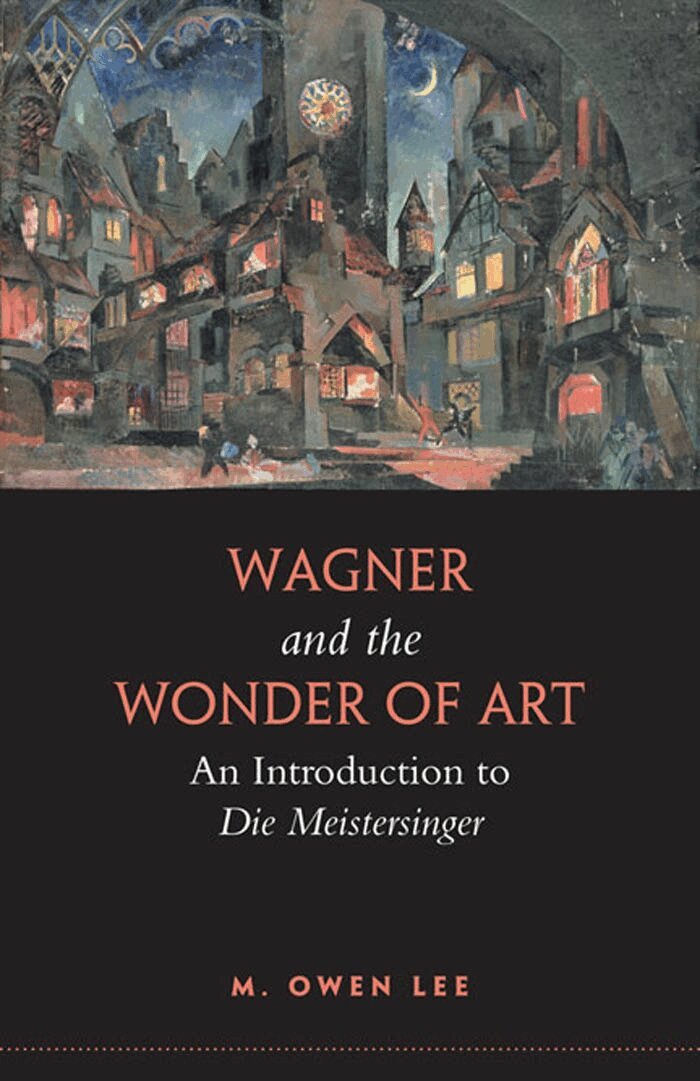
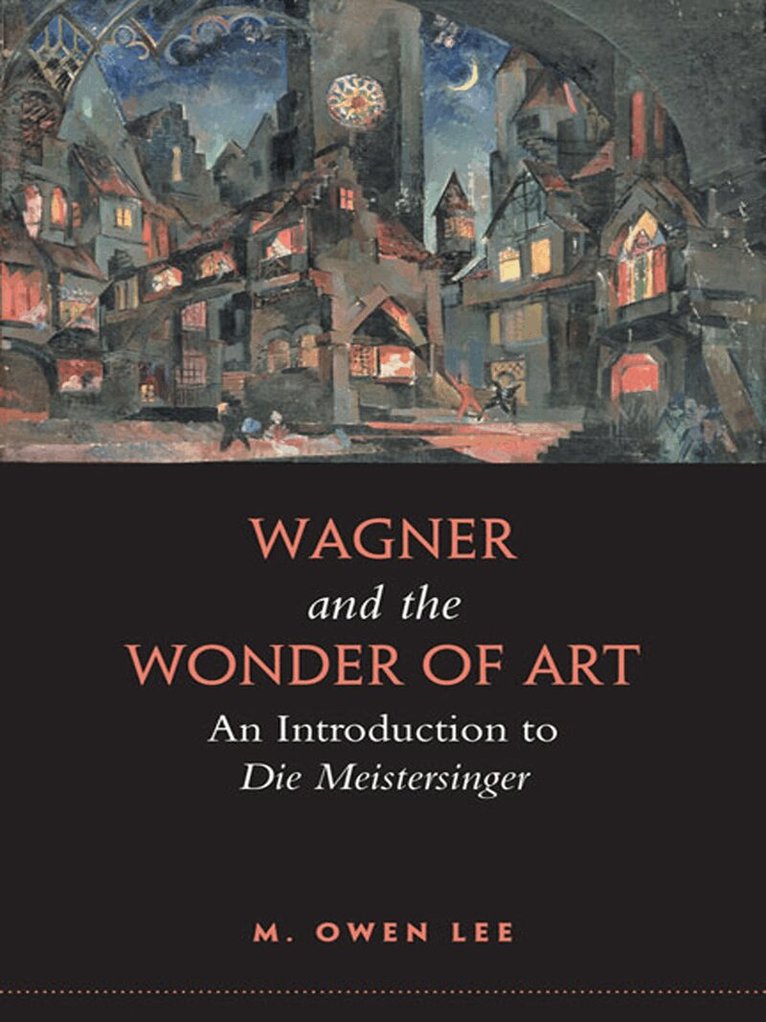
Richard Wagner's Die Meistersinger has always called forth superlatives from those who have fallen under its spell. Toscanini wanted to lay his baton down for the last time only after he had conducted a performance of it. Paderewski called it 'the greatest work of genius ever achieved by any artist in any field of human endeavour.' H.L. Mencken declared, 'It took more skill to plan and write it than it took to plan and write the whole canon of Shakespeare.'And yet Wagner's many-splendoured comedy has come under severe criticism in recent years for what has been called its 'dark underside,' its 'fascist brutality,' and its 'ugly anti-Semitism.' In Wagner and the Wonder of Art, renowned opera expert M. Owen Lee addresses that criticism. He also provides an introduction to the opera and an analysis that will surprise even those veteran operagoers who may not have explored the work's intricate structure and the emotional drama at its centre. The book includes the on-air commentary that Father Lee gave during the first radio broadcast from the Metropolitan Opera after the events of 9/11. He thought it necessary, after attempting to refute the charges leveled against Wagner's opera, to say something about its truthfulness, its life-affirming music, its insight into the madness that can destroy human lives, and its witness to the importance of art for the survival of our civilizations.
Inbunden, Engelska, 2004
663 kr
Skickas inom 10-15 vardagar
Häftad, Engelska, 2006
391 kr
Skickas inom 10-15 vardagar
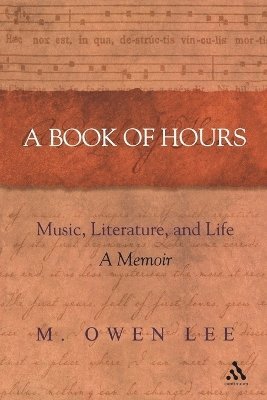
"A Book of Hours" is a departure for Father Lee - a personal memoir, cast in the form of a secular breviary, that recreates a year Father Lee spent teaching at an American college campus in Rome over a quarter century ago. The book draws together in an intricate web of refracting relationships the three great loves of Father Lee's life: opera, literature, and his life and work as a priest. A Eurorail pass allowed him to visit all the great opera houses of Europe, which in turn reflected on his teaching in the classroom during the week: Homer and Virgil, Whitman and Rilke. And all of this is set in the context of a personal crisis - impending hearing loss, theological doubts, and the celibate's inevitable regret, at age forty, that he cannot share his remaining years with children of his own. In this inspiring and beautifully crafted book, Father Lee shows us how religious faith and a deeply humanistic culture need never be enemies, but rather can be a source of mutual enrichment.
Häftad, Engelska, 1994
179 kr
Skickas inom 10-15 vardagar
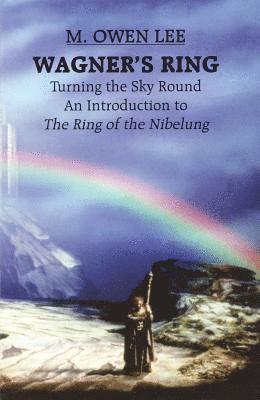
Commentary on and a concise, lucid interpretation of the opera world's most complex masterwork, expanded from the author's popular intermission talks during Met Opera broadcasts.“Anyone, whether knowledgeable or not, will profit by reading it...”– Opera Quarterly
Häftad, Engelska, 2002
179 kr
Skickas inom 10-15 vardagar
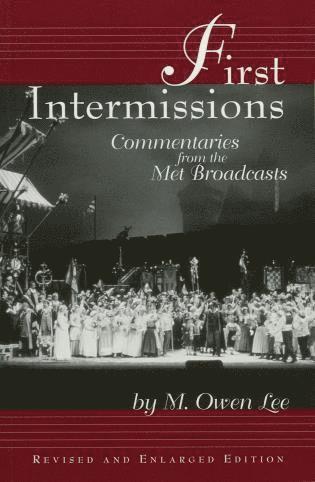
For well over twenty years, M. Owen Lee has been offering intermission talks during the Saturday afternoon Texaco Metropolitan Opera broadcasts, which now reach countries on six continents. In this book, Father Lee covers various operas of Mozart, Verdi, Wagner, Puccini and Richard Strauss, as well as a selection of French operas, including Faust, Carmen and Les Contes d'Hoffman. In all, his repertory contains 23 operatic masterworks, to all of which he brings insight, learning and the most infectious enthusiasm.“One just cannot get enough of âFather Lee'sã brilliant, stimulating, thought-provoking insights...I feel there is no one more knowledgeable or qualified in the entire field of opera commentary. No one.”– The Opera Quarterly
Häftad, Engelska, 2007
242 kr
Skickas inom 5-8 vardagar
E-bok
PDF, Engelska, 2000391 kr
Läs direkt efter köp
How well do you think you know your opera? Match wits with Metropolitan Opera quiz master Father Owen Lee in forty-five opera-related puzzles, including straight-forward quizzes, anagrams, vertical patterns, crostics, and crossword puzzles. Each puzzle has a theme, such as baseball and opera, movies and opera, and operas set in Paris. Forty-three of the puzzles have been collected from Father Lee's column in The Opera Quarterly, along with two new puzzles especially created for this volume.
E-bok
PDF, Engelska, 1999571 kr
Läs direkt efter köp
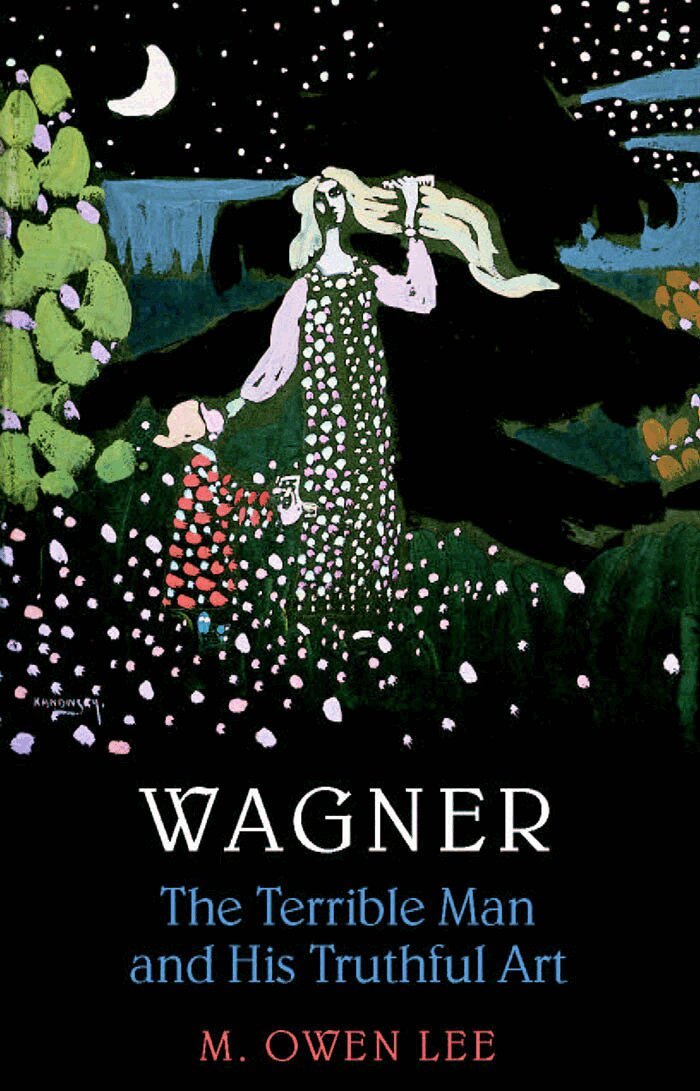
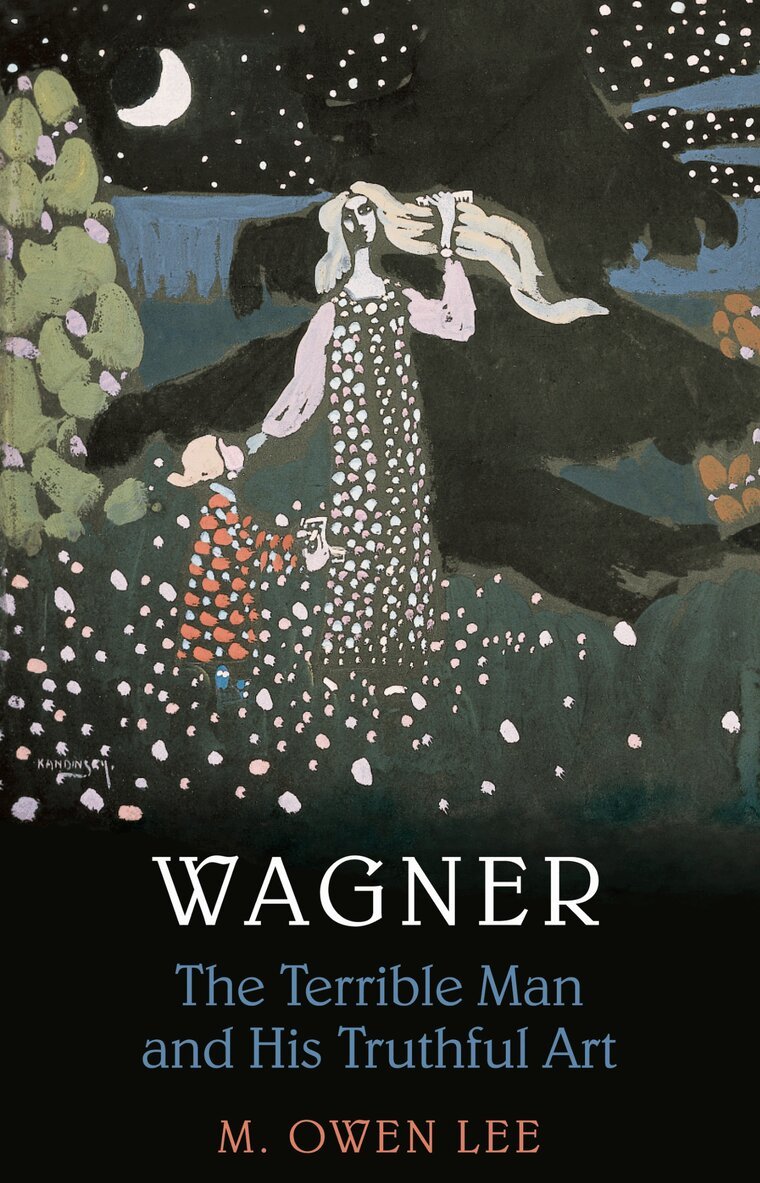
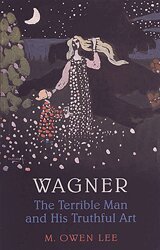
How is it possible for a seriously flawed human being to produce art that is good, true, and beautiful? Why is the art of Richard Wagner, a very imperfect man, important and even indispensable to us?In this volume, Father Owen Lee ventures an answer to those questions by way of a figure in Sophocles – the hero Philoctetes. Gifted by his god with a bow that would always shoot true to the mark and indispensable to his fellow Greeks, he was marked by the same god with an odious wound that made him hateful and hated. Sophocles' powerful insight is that those blessed by the gods and indispensable to men are visited as well with great vulnerability and suffering.Wagner: The Terrible Man and His Truthful Art traces some of Wagner's extraordinary influence for good and ill on a century of art and politics – on Eliot and Proust as well as on Adolf Hitler – and discusses in detail Wagner's Tannhouser, the work in which the composer first dramatised the Faustian struggle of a creative artist in whom 'two souls dwell.' In the course of this penetrating study, Father Lee argues that Wagner's ambivalent art is indispensable to us, life-enhancing and ultimately healing.
E-bok
Engelska, 2000457 kr
Läs direkt efter köp
How well do you think you know your opera? Match wits with Metropolitan Opera quiz master Father Owen Lee in forty-five opera-related puzzles, including straight-forward quizzes, anagrams, vertical patterns, crostics, and crossword puzzles. Each puzzle has a theme, such as baseball and opera, movies and opera, and operas set in Paris. Forty-three of the puzzles have been collected from Father Lee's column in The Opera Quarterly, along with two new puzzles especially created for this volume.
E-bok
Engelska, 1999571 kr
Läs direkt efter köp
How is it possible for a seriously flawed human being to produce art that is good, true, and beautiful? Why is the art of Richard Wagner, a very imperfect man, important and even indispensable to us?In this volume, Father Owen Lee ventures an answer to those questions by way of a figure in Sophocles – the hero Philoctetes. Gifted by his god with a bow that would always shoot true to the mark and indispensable to his fellow Greeks, he was marked by the same god with an odious wound that made him hateful and hated. Sophocles' powerful insight is that those blessed by the gods and indispensable to men are visited as well with great vulnerability and suffering.Wagner: The Terrible Man and His Truthful Art traces some of Wagner's extraordinary influence for good and ill on a century of art and politics – on Eliot and Proust as well as on Adolf Hitler – and discusses in detail Wagner's Tannhouser, the work in which the composer first dramatised the Faustian struggle of a creative artist in whom 'two souls dwell.' In the course of this penetrating study, Father Lee argues that Wagner's ambivalent art is indispensable to us, life-enhancing and ultimately healing.
E-bok
PDF, Engelska, 2000636 kr
Läs direkt efter köp
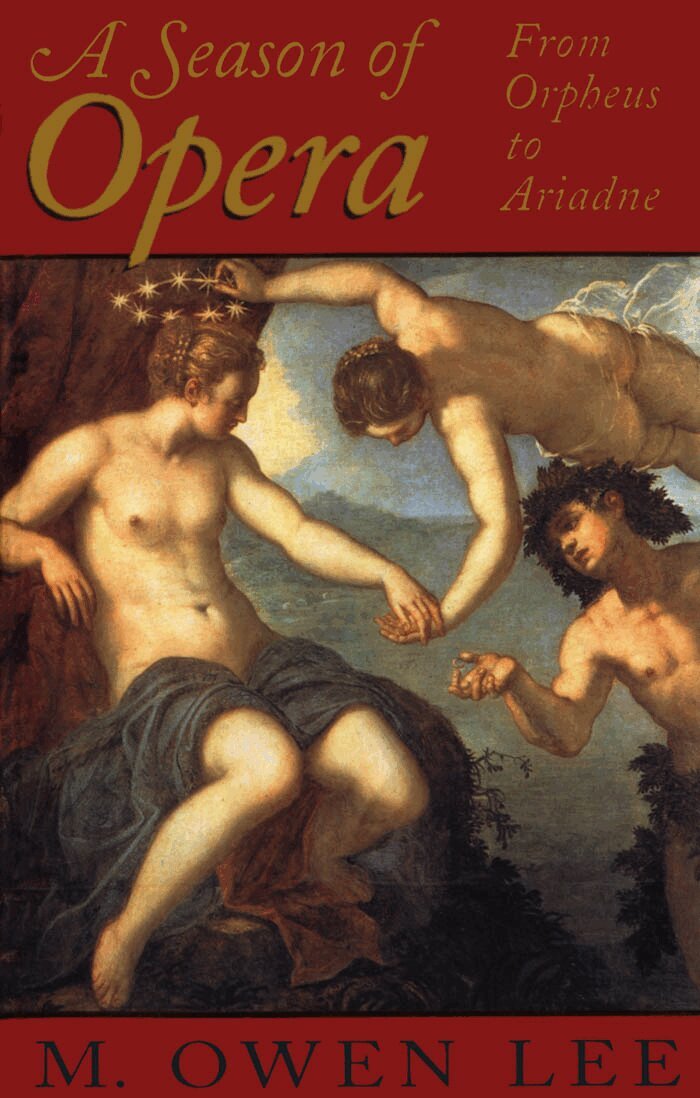
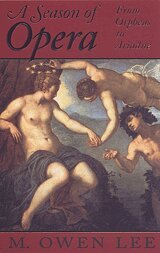
Father Owen Lee is internationally known for his intermission commentaries featured during the Saturday afternoon broadcasts from the Metropolitan Opera House in New York. A Season of Opera: From Orpheus to Ariadne gathers together for the first time Father Lee's best broadcast and cassette commentaries, public lectures, and articles on twenty-three works for the musical stage. The essays range from the pioneering Orpheus of Monteverdi to the forward-looking Ariadne of Richard Strauss. Included are Father Lee's famous discussions of Mozart's Magic Flute and Beethoven's Fidelio, Verdi's La Traviata and Falstaff, Wagner's Tristan und Isolde, and Poulenc's Dialogues of the Carmelites. The concluding chapter, originally published as the lead article in The Opera Quarterly's special issue on the end of the twentieth century, is a thought-provoking forecast of opera's future. Recommendations for further reading, CD recordings, and videos are also included.Opera Canada has applauded Father Lee's 'extraordinary ability to engage, challenge, and enlighten a vast and diverse audience' and called his learning-worn-lightly commentaries 'a unique mix of spiritual empathy, classical scholarship, and psychological insight.' Opera lovers, or anyone interested in psychology and mythology, humanities and comparative literature, or the art of the essay will welcome this book.
E-bok
PDF, Engelska, 2003393 kr
Läs direkt efter köp
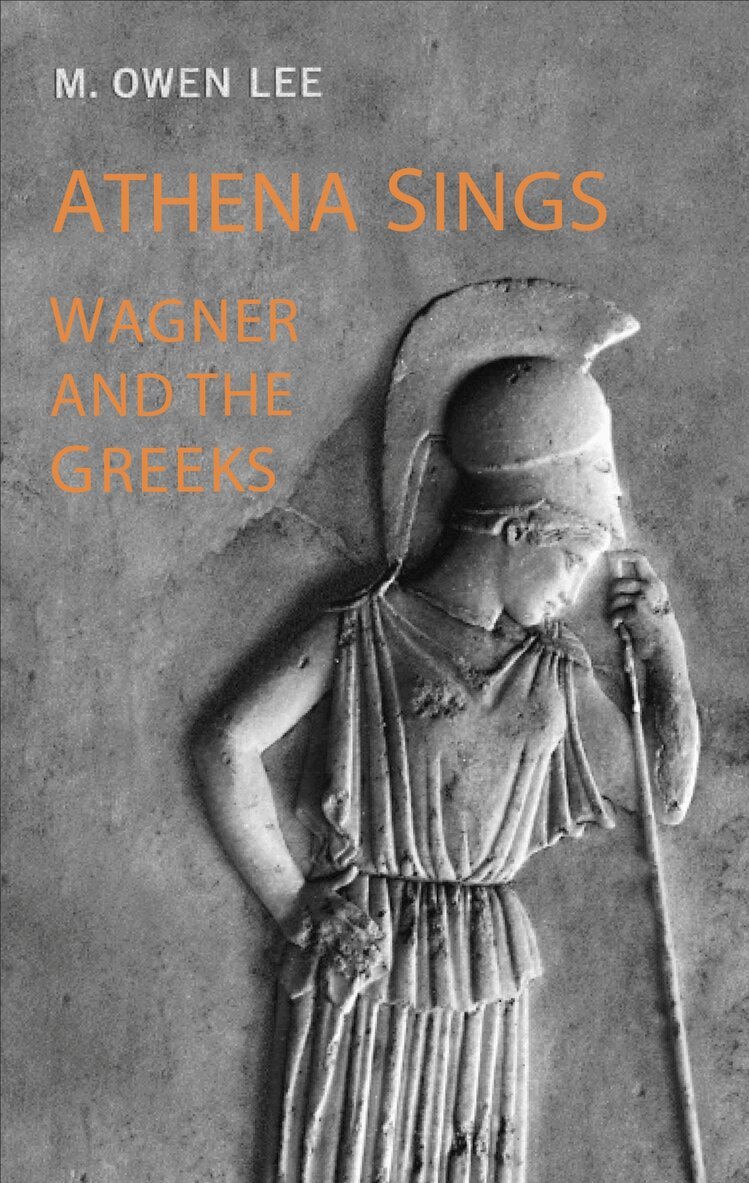
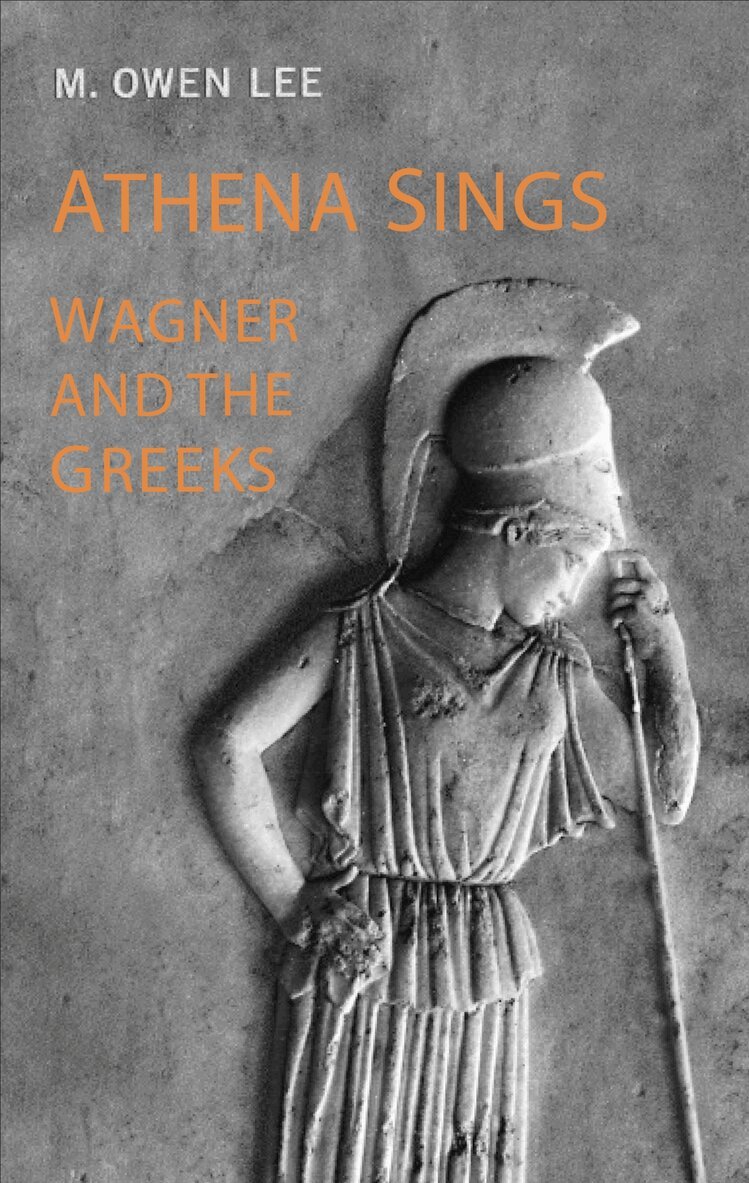
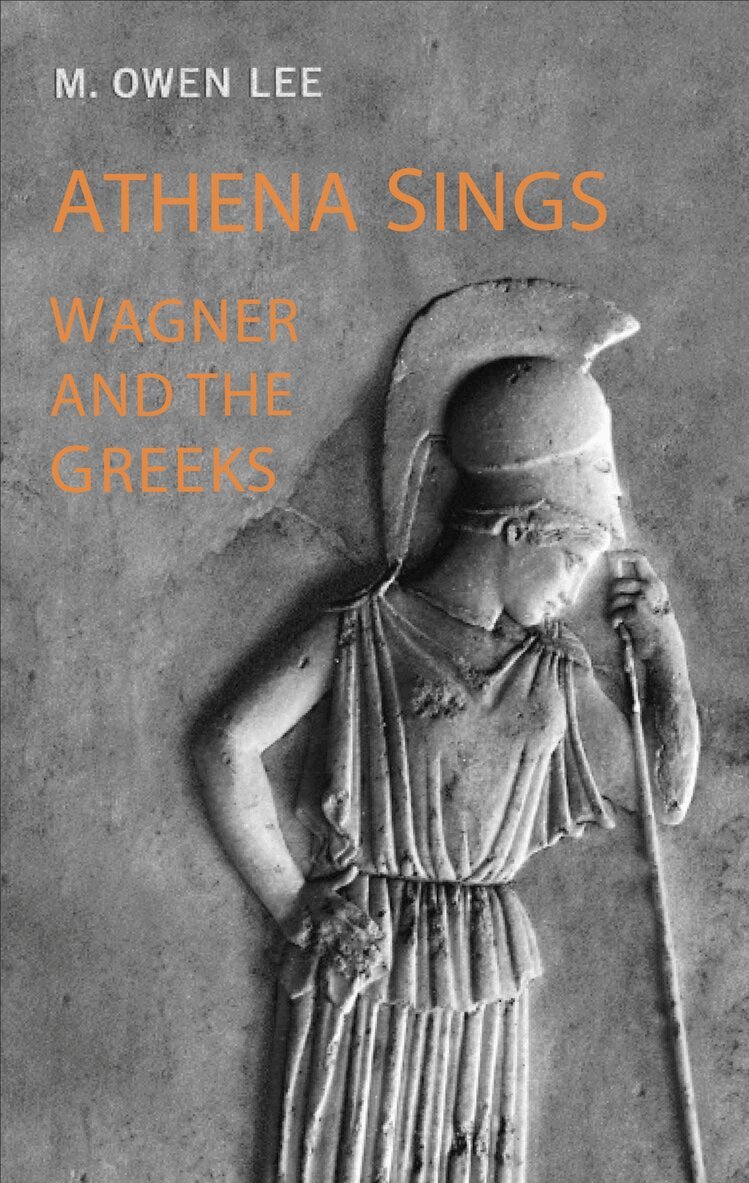
Richard Wagner's knowledge of and passion for Greek drama was so profound that for Friedrich Nietzsche, Wagner was Aeschylus come alive again. Surprisingly little has been written about the pervasive influence of classical Greece on the quintessentially German master. In this elegant and masterfully argued book, renowned opera critic Father Owen Lee describes for the contemporary reader what it might have been like to witness a dramatic performance of Aeschylus in the theatre of Dionysus in Athens in the fifth century B.C. - something that Wagner himself undertook to do on several occasions, imagining a performance of The Oresteia in his mind, reading it aloud to his friends, providing his own commentary, and relating the Greek classic drama to his own romantic view. Father Lee also uses Wagner's writings on Greece and entries from his wife's diaries to cast new light on Tristan und Isolde, Die Meistersinger, Parsifal, and especially the mighty Ring cycle, where Wagner made extensive use of Greek elements to give structural unity and dramatic credibility to his Nordic and Germanic myths. No opera fan, argues Father Lee, can really understand Wagner saving Brünhilde without knowing the Athena who, in Greek drama, first brought justice to Athens.Written with a clarity and depth of knowledge that have characterized all Father Lee's books on the classics of Greece and Rome and made his six other volumes of opera bestsellers, Athena Sings traces the profound influence - an influence few music lovers are aware of - that Greek theatre and culture had on the most German of composers and his revolutionary musical dramas.
E-bok
PDF, Engelska, 19971 056 kr
Läs direkt efter köp
In The Olive-Tree Bed and Other Quests, the fourth in the series of Robson Lectures published by the University of Toronto Press, Father Lee studies the quest myth as it occurs in Homer's Odyssey, Virgil's Aeneid, Wagner's Parsifal and Goethe's Faust. Though the four works represent four different genres - oral epic, written epic, music drama, and poetic drama - each deals with the finding of an elusive goal attainable only by the hero called to find it. The questing for the olive-tree bed, the Golden Bough, the Holy Grail, and the Eternal Feminine is, at the deepest level, the hero's search to find the meaning in his life. Though Father Lee's lectures address critical problems in the four works, and draw to some extent on Jungian insights, this volume is also a personal memoir written in the belletristic style for which its author has become known. Father Lee wears his learning lightly, and his writing changes from chapter to chapter as it reflects, in turn, the clarity and naïve sense of wonder in Homer, the darkness and ambivalence in Virgil, the intuitive mysticism of Wagner, and the riotously imaginative exuberance of Goethe. Each of the four quests comes eventually to be seen as every person's search to discover himself - for the journey of the hero is the myth each of us is called to live.
E-bok
PDF, Engelska, 2007409 kr
Läs direkt efter köp
Richard Wagner's Die Meistersinger has always called forth superlatives from those who have fallen under its spell. Toscanini wanted to lay his baton down for the last time only after he had conducted a performance of it. Paderewski called it 'the greatest work of genius ever achieved by any artist in any field of human endeavour.' H.L. Mencken declared, 'It took more skill to plan and write it than it took to plan and write the whole canon of Shakespeare.'And yet Wagner's many-splendoured comedy has come under severe criticism in recent years for what has been called its 'dark underside,' its 'fascist brutality,' and its 'ugly anti-Semitism.' In Wagner and the Wonder of Art, renowned opera expert M. Owen Lee addresses that criticism. He also provides an introduction to the opera and an analysis that will surprise even those veteran operagoers who may not have explored the work's intricate structure and the emotional drama at its centre. The book includes the on-air commentary that Father Lee gave during the first radio broadcast from the Metropolitan Opera after the events of 9/11. He thought it necessary, after attempting to refute the charges leveled against Wagner's opera, to say something about its truthfulness, its life-affirming music, its insight into the madness that can destroy human lives, and its witness to the importance of art for the survival of our civilizations.
E-bok
Engelska, 2007424 kr
Läs direkt efter köp
Richard Wagner's Die Meistersinger has always called forth superlatives from those who have fallen under its spell. Toscanini wanted to lay his baton down for the last time only after he had conducted a performance of it. Paderewski called it 'the greatest work of genius ever achieved by any artist in any field of human endeavour.' H.L. Mencken declared, 'It took more skill to plan and write it than it took to plan and write the whole canon of Shakespeare.'And yet Wagner's many-splendoured comedy has come under severe criticism in recent years for what has been called its 'dark underside,' its 'fascist brutality,' and its 'ugly anti-Semitism.' In Wagner and the Wonder of Art, renowned opera expert M. Owen Lee addresses that criticism. He also provides an introduction to the opera and an analysis that will surprise even those veteran operagoers who may not have explored the work's intricate structure and the emotional drama at its centre. The book includes the on-air commentary that Father Lee gave during the first radio broadcast from the Metropolitan Opera after the events of 9/11. He thought it necessary, after attempting to refute the charges leveled against Wagner's opera, to say something about its truthfulness, its life-affirming music, its insight into the madness that can destroy human lives, and its witness to the importance of art for the survival of our civilizations.
Häftad, Engelska, 2001
293 kr
Skickas inom 10-15 vardagar
Häftad, Engelska, 2006
537 kr
Skickas inom 5-8 vardagar
Häftad, Engelska, 1989
417 kr
Tillfälligt slut
Death and Rebirth in Virgil's Arcadia is an introduction to the Eclogues, based on sound scholarship but also personally felt and addressed to a popular audience. It outlines clearly the literary and historical background of Virgil's early poems, discusses each eclogue in some detail, and offers a new and challenging interpretation of the collection as a whole. The ten eclogues are shown to be a young poet's attempt at self-understanding. Their symmetrical arrangement is a journey inward toward the central experience of death, and a journey back toward rebirth and the writing of larger and greater works.
Häftad, Engelska, 1996
441 kr
Tillfälligt slut
Presents a popular introduction to Virgil's Georgics for the general reader.Though John Dryden once called the Georgics "the best Poem of the best Poet," and Montaigne thought it the most highly finished work in all of poetry, Virgil's song of the earth has never won as many readers as has his Aeneid, and at present it is the subject of more debate among classicists than perhaps any other poem in Latin. Using a Jungian approach, this book draws on the new commentaries in English as well as on the work of the great German Virgilians of the past, and is written in the eloquent, accessible, and personal style for which its author has become known. It outlines clearly the literary and historical background of the poem, discusses the sound of Virgil's hexameters, and treats each of the four georgics in detail, with special emphasis on the concluding myth of Orpheus. The most baffling of all Latin poems is shown in these pages to be Virgil's gift to Augustus, the most powerful man in the world as the salvational leader of the renewed Roman state, telling him what he must know about nature and about human nature if he is to rule the world well.
Inbunden, Engelska, 1982
1 241 kr
Tillfälligt slut
Narrative summary of Virgil's epic poem.In this book, M. Owen Lee provides a comprehensive narrative summary of Virgil's Aeneid and a personal account of his experience with the epic poem. Noting that Virgil is the writer most Latinists read early, live with, and often come to love late, Lee expresses a clear devotion to the poet's work and relates how it has touched him throughout his life. While most criticism of the Aeneid makes a distinction between what critics say and what an individual may respond to, Lee takes a unique approach by analyzing the epic story from his own point of view. He not only explores the extensive Virgilian tradition, but also looks at the work of other poets, as well as philosophers, artists, composers, and filmmakers in order to better understand the Aeneid. Lee concludes that Virgil's poem, with its unavailing fathers and dutiful sons, its ineffably sad view of a failed humanity and a flawed universe, still touches hearts and, in ways Virgil could not have foreseen, still affects human lives.
Häftad, Engelska, 1982
449 kr
Tillfälligt slut
Narrative summary of Virgil's epic poem.In this book, M. Owen Lee provides a comprehensive narrative summary of Virgil's Aeneid and a personal account of his experience with the epic poem. Noting that Virgil is the writer most Latinists read early, live with, and often come to love late, Lee expresses a clear devotion to the poet's work and relates how it has touched him throughout his life. While most criticism of the Aeneid makes a distinction between what critics say and what an individual may respond to, Lee takes a unique approach by analyzing the epic story from his own point of view. He not only explores the extensive Virgilian tradition, but also looks at the work of other poets, as well as philosophers, artists, composers, and filmmakers in order to better understand the Aeneid. Lee concludes that Virgil's poem, with its unavailing fathers and dutiful sons, its ineffably sad view of a failed humanity and a flawed universe, still touches hearts and, in ways Virgil could not have foreseen, still affects human lives.