M. Pittock – författare
Visar alla böcker från författaren M. Pittock. Handla med fri frakt och snabb leverans.
5 produkter
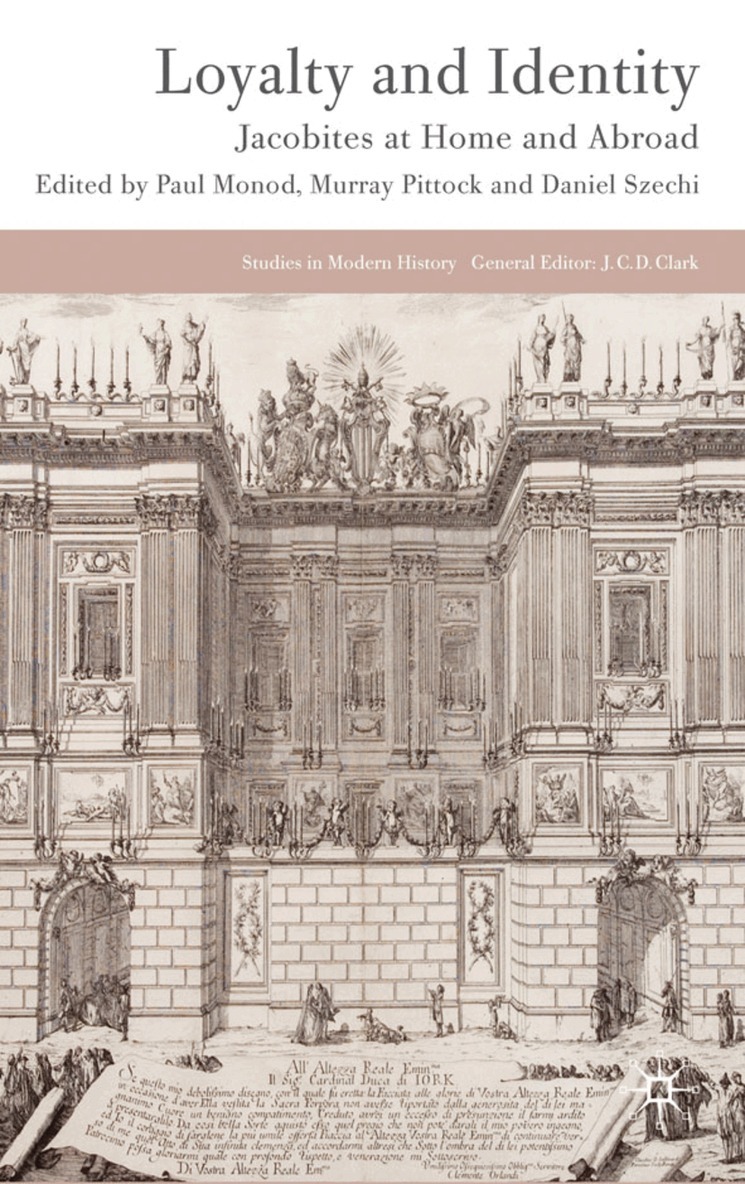
Loyalty and Identity
Jacobites at Home and Abroad
Av P. Monod, M. Pittock m. fl.
Inbunden, 2009
569 kr
Lägg i varukorg
This collection of essays provides a series of fresh approaches to a fascinating subject: Jacobitism. The contributors focus on issues of identity and memory among Jacobites in Scotland, Ireland, England and Europe. They examine Jacobitism as an integral aspect of culture and society in the British …
Loyalty and Identity
Jacobites at Home and Abroad
Av D. Szechi, M. Pittock m. fl.
E-bok, 2009
803 kr
Lägg i varukorg
This collection of essays provides a series of fresh approaches to a fascinating subject: Jacobitism. The contributors focus on issues of identity and memory among Jacobites in Scotland, Ireland, England and Europe. They examine Jacobitism as an integral aspect of culture and society in the British …
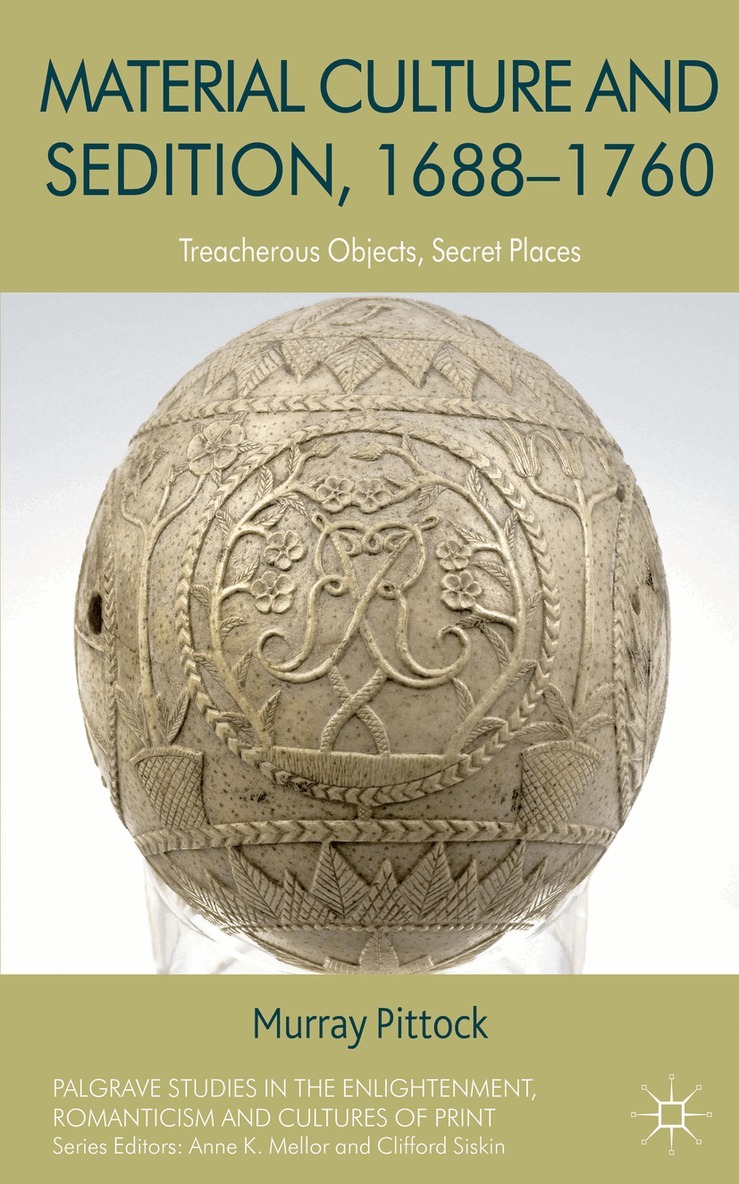
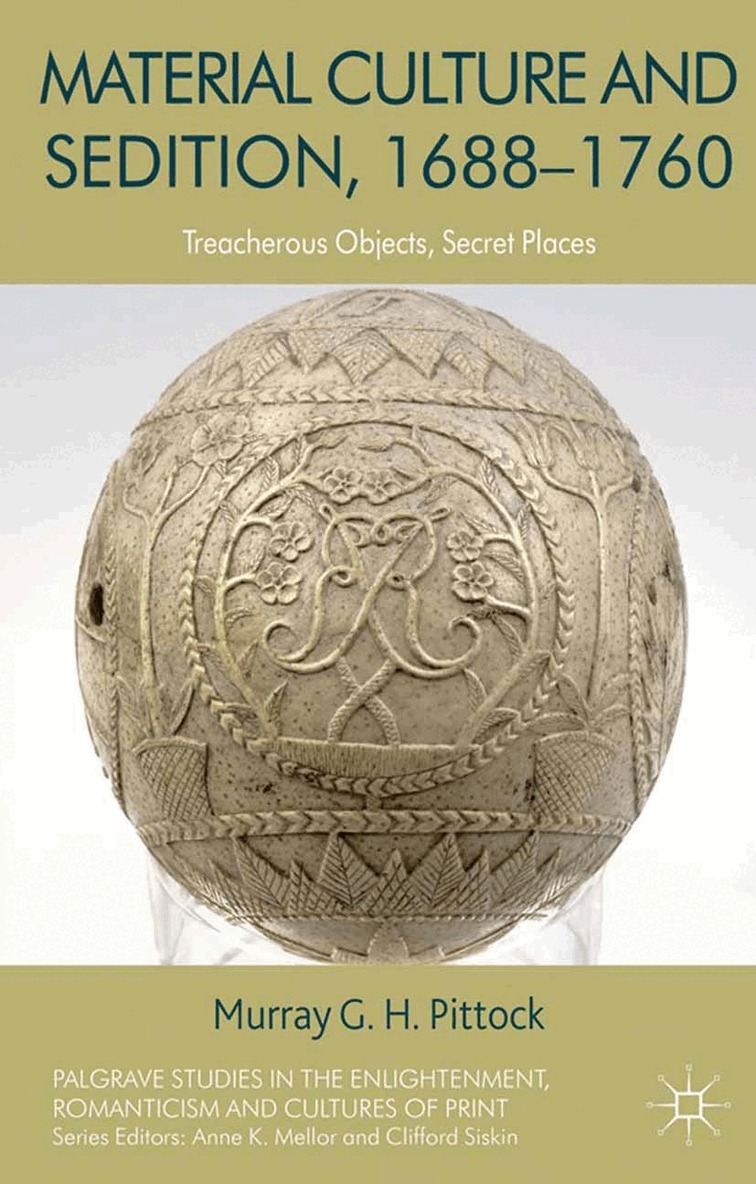
Material Culture and Sedition, 1688-1760
Treacherous Objects, Secret Places
Av M. Pittock
Inbunden, 2013
1388 kr
Lägg i varukorg
Material Culture and Sedition, 1688-1760 is a groundbreaking study of the ways in which material culture (and its associated designs, rituals and symbols) was used to avoid prosecution for treason and sedition in the British Isles. The fresh theoretical model it presents challenges existing …
Material Culture and Sedition, 1688-1760
Treacherous Objects, Secret Places
Av M. Pittock
E-bok, 2013
1583 kr
Lägg i varukorg
Material Culture and Sedition, 1688-1760 is a groundbreaking study of the ways in which material culture (and its associated designs, rituals and symbols) was used to avoid prosecution for treason and sedition in the British Isles. The fresh theoretical model it presents challenges existing …
Material Culture and Sedition, 1688-1760
Treacherous Objects, Secret Places
Av M. Pittock
Häftad, 2013
1137 kr
Lägg i varukorg
Material Culture and Sedition, 1688-1760 is a groundbreaking study of the ways in which material culture (and its associated designs, rituals and symbols) was used to avoid prosecution for treason and sedition in the British Isles. The fresh theoretical model it presents challenges existing …