
M. Reiss – författare
Visar alla böcker från författaren M. Reiss. Handla med fri frakt och snabb leverans.
4 produkter
4 produkter
Inbunden, Engelska, 2015
565 kr
Skickas inom 10-15 vardagar
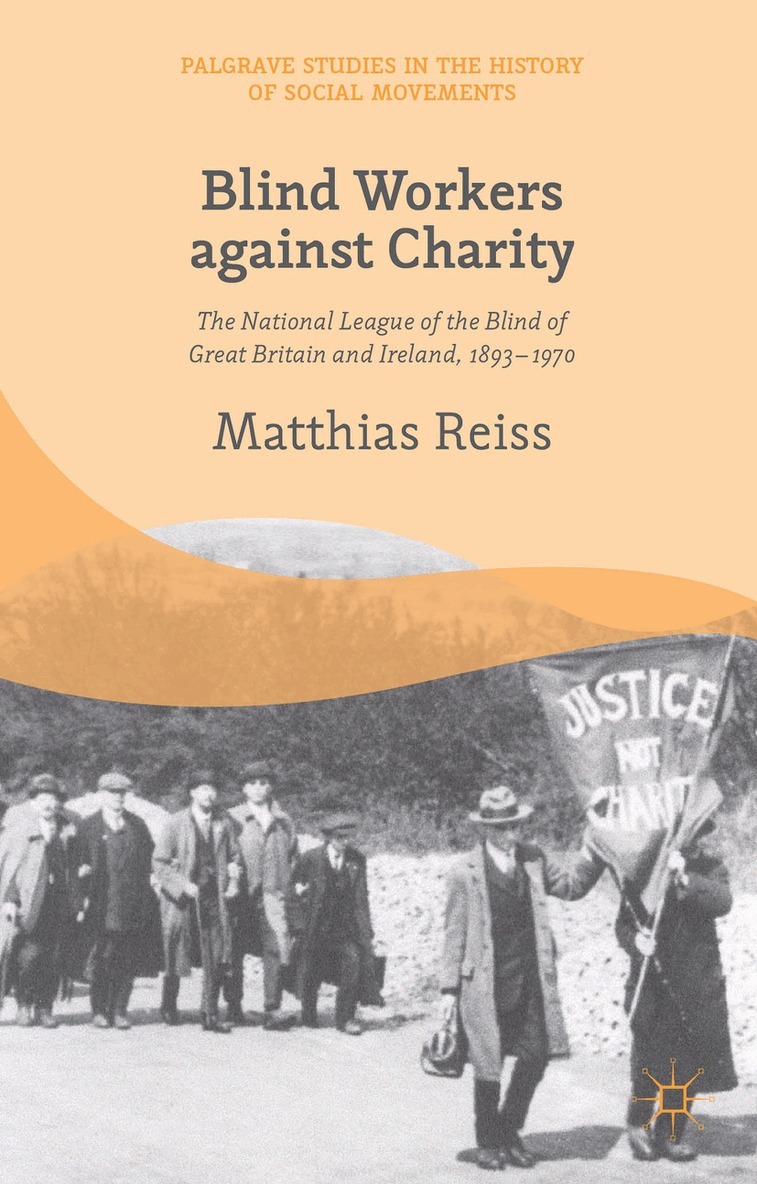
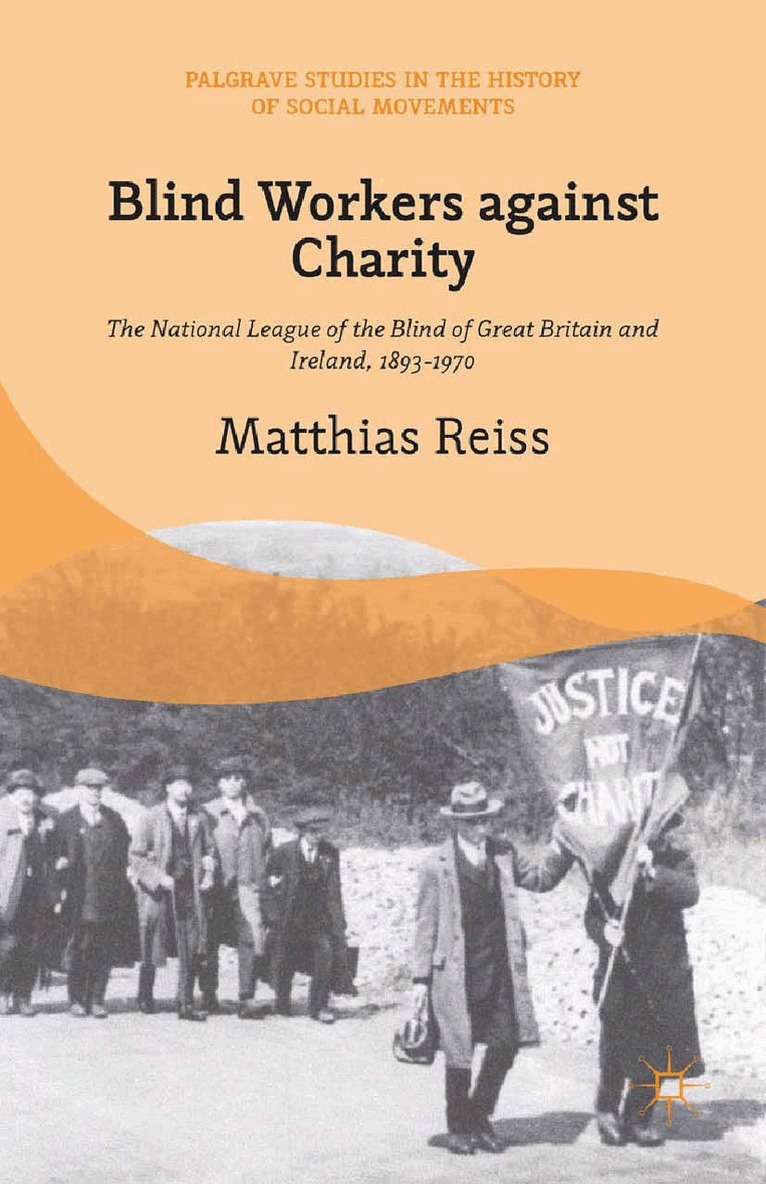
Founded in 1893, the National League of the Blind was the first nationwide self-represented group of visually impaired people in Britain. This book explores its campaign to make the state solely responsible for providing training, employment and assistance for the visually impaired as a right, and its fight to abolish all charitable aid for them.

E-bok
PDF, Engelska, 2015708 kr
Läs direkt efter köp
Founded in 1893, the National League of the Blind was the first nationwide self-represented group of visually impaired people in Britain. This book explores its campaign to make the state solely responsible for providing training, employment and assistance for the visually impaired as a right, and its fight to abolish all charitable aid for them.
Häftad, Engelska, 2015
565 kr
Skickas inom 10-15 vardagar
Founded in 1893, the National League of the Blind was the first nationwide self-represented group of visually impaired people in Britain. This book explores its campaign to make the state solely responsible for providing training, employment and assistance for the visually impaired as a right, and its fight to abolish all charitable aid for them.
E-bok
PDF, Engelska, 20231 697 kr
Läs direkt efter köp
"e;Nowadays there are widespread ethical concerns about animal production and our treatment of animals. This book is the first to specifically examine these issues from an educational perspective. With 19 chapters written by 31 authors experienced in this field and coming from 11 European countries, this book will be of great value to veterinary, agronomy and science students and teachers. It will also be of use for everyone interested in developing moral reasoning and communication skills relative to ethics, whether animal centred or in a broader sense. The first part of the book is devoted to in-depth analyses of historical, philosophical, religious and cultural perspectives as well as of the driving forces in action. This enables readers to develop a good understanding of the ethical principles related to human-animal relationships, and their dynamics. In the second part, teaching objectives, strategies and methods are analysed, resulting in a conceptual framework for education in this area. Concrete suggestions are given to be applied in teaching, training and communication. This provides a basis for curricula development, including appropriate principles, content and examples. A detailed syllabus is proposed in the case of animal welfare, including its rationale and extensive sources of information. The methods proposed, in their varying degrees of complexity involve active processes, mainly founded on case studies and problem-based learning. This will contribute to a necessary sharing of experience and the spreading of good practice."e;