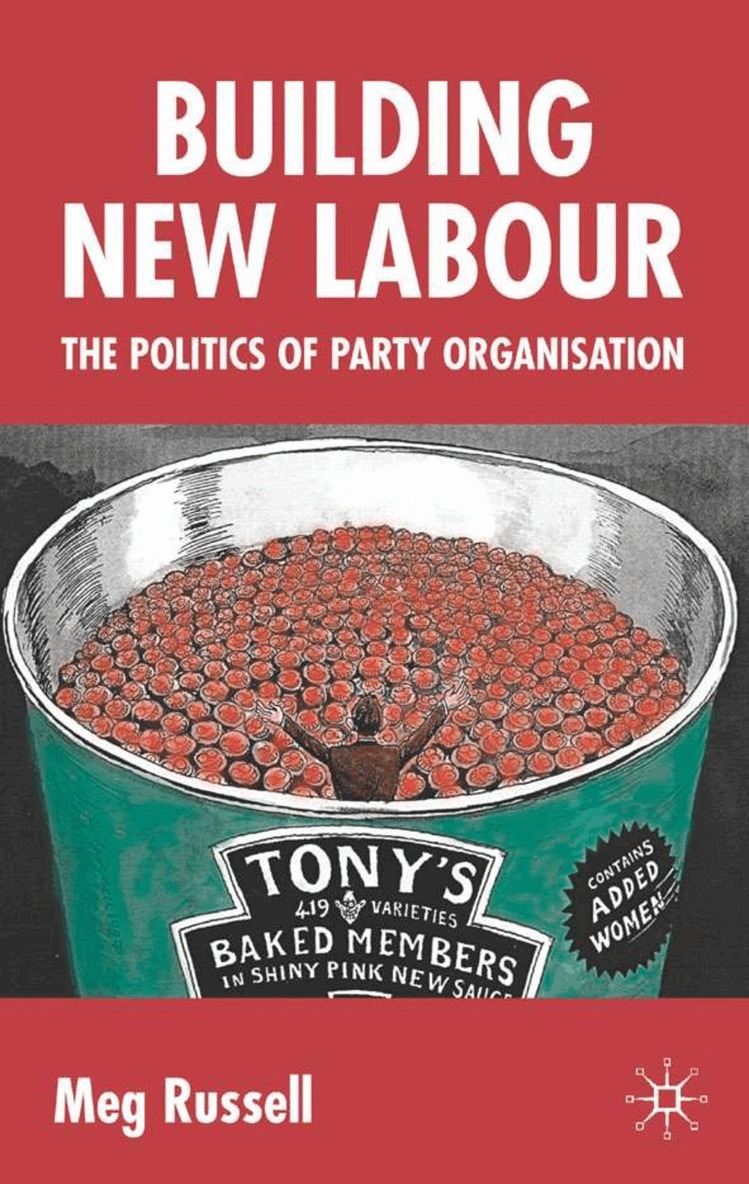
''New'' Labour was defined in part by wide-ranging reforms to the party''s internal democracy. These included changes to how candidates and leaders are selected, changes to policy making processes, and a programme of ''quotas'' that transformed women''s representation in the party. In the first book to analyse all these reforms in depth Meg Russell asks what motivated them, to what extent they were driven by leaders or members, and what they can teach us both about party organisational change and the nature of power relations in the Labour Party today.
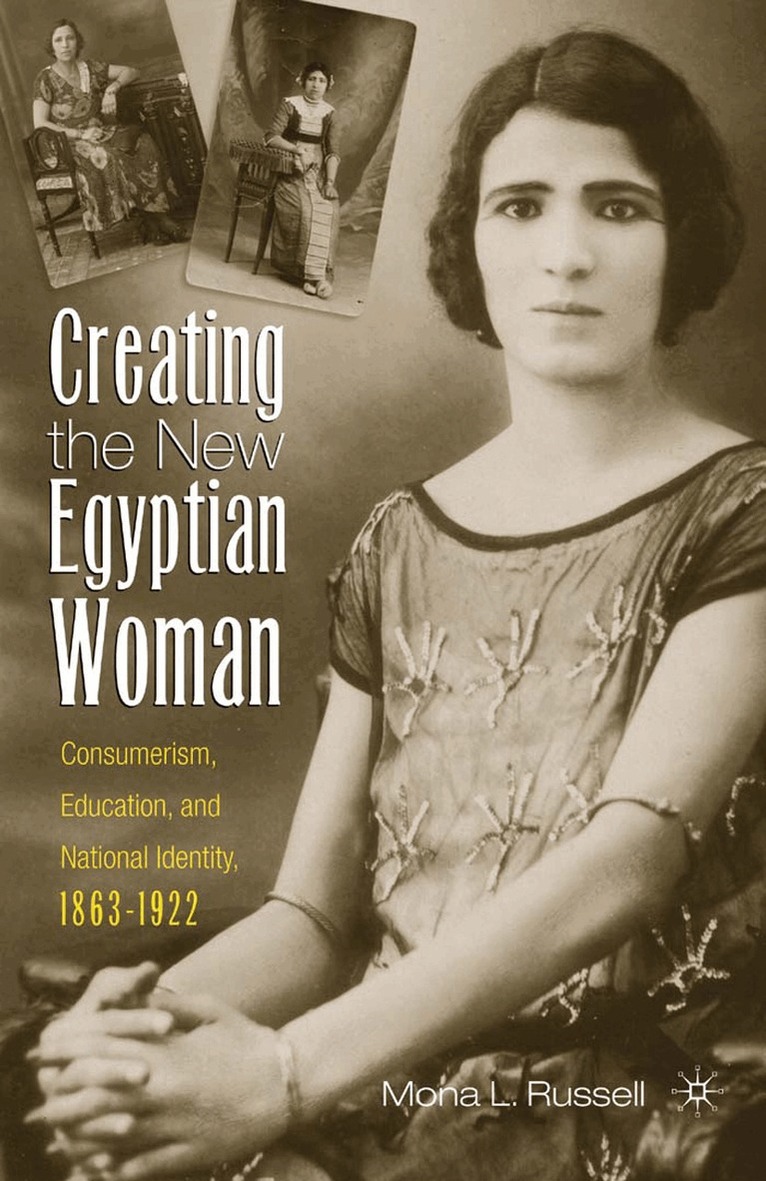
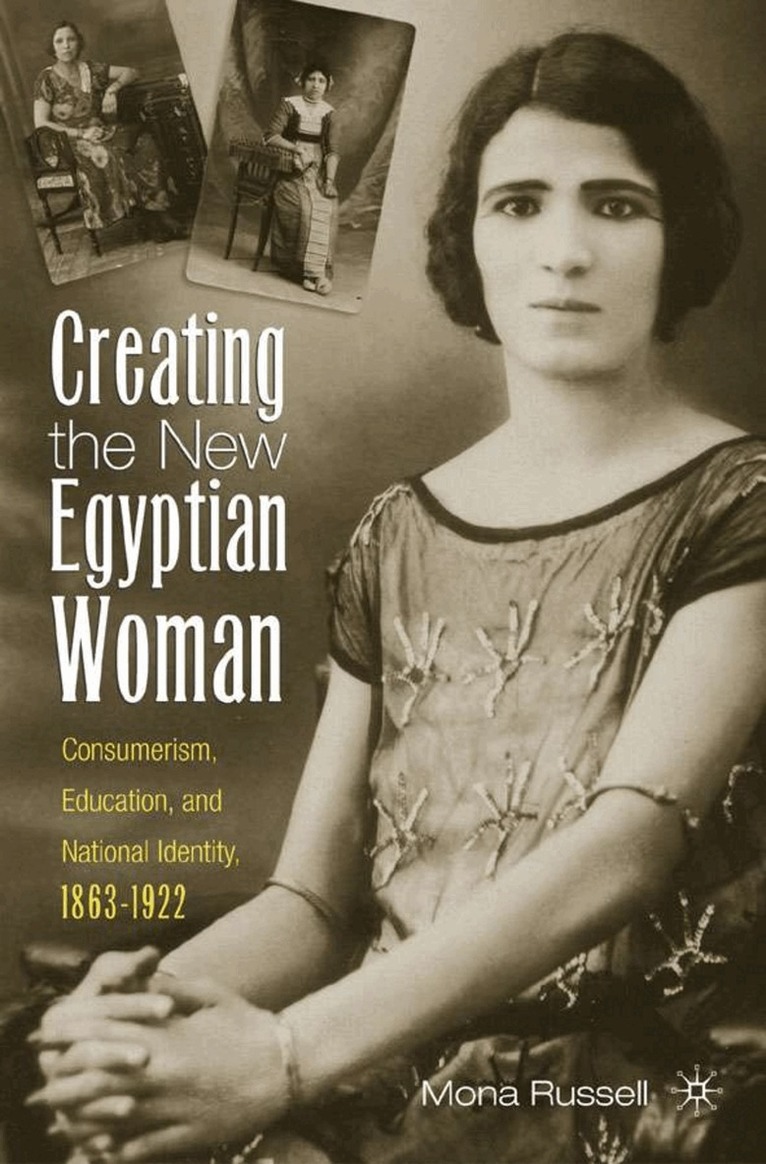
A "New Woman" was announced in Egypt at the turn of the nineteenth century. With a new genre of prescriptive literature, new products, a new education, and a physically changed home, she increasingly emerged in public life. This book discusses and debates the place of Egyptian women, while focusing on consumerism and education. Russell sheds much-needed light on the struggle for identity in Egypt at a time of considerable flux and tension and provides a powerful angle to explore changing concepts of social dynamics and broader debates of what it meant to be "modern" while retaining local authenticity.
'New' Labour was defined in part by wide-ranging reforms to the party's internal democracy. These included changes to how candidates and leaders are selected, changes to policy making processes, and a programme of 'quotas' that transformed women's representation in the party. In the first book to analyse all these reforms in depth Meg Russell asks what motivated them, to what extent they were driven by leaders or members, and what they can teach us both about party organisational change and the nature of power relations in the Labour Party today.
A "New Woman" was announced in Egypt at the turn of the nineteenth century. With a new genre of prescriptive literature, new products, a new education, and a physically changed home, she increasingly emerged in public life. This book discusses and debates the place of Egyptian women, while focusing on consumerism and education. Russell sheds much-needed light on the struggle for identity in Egypt at a time of considerable flux and tension and provides a powerful angle to explore changing concepts of social dynamics and broader debates of what it meant to be "modern" while retaining local authenticity.